

Michigan Senate Primary: A Pivotal Contest for Dems in 2026 Elections

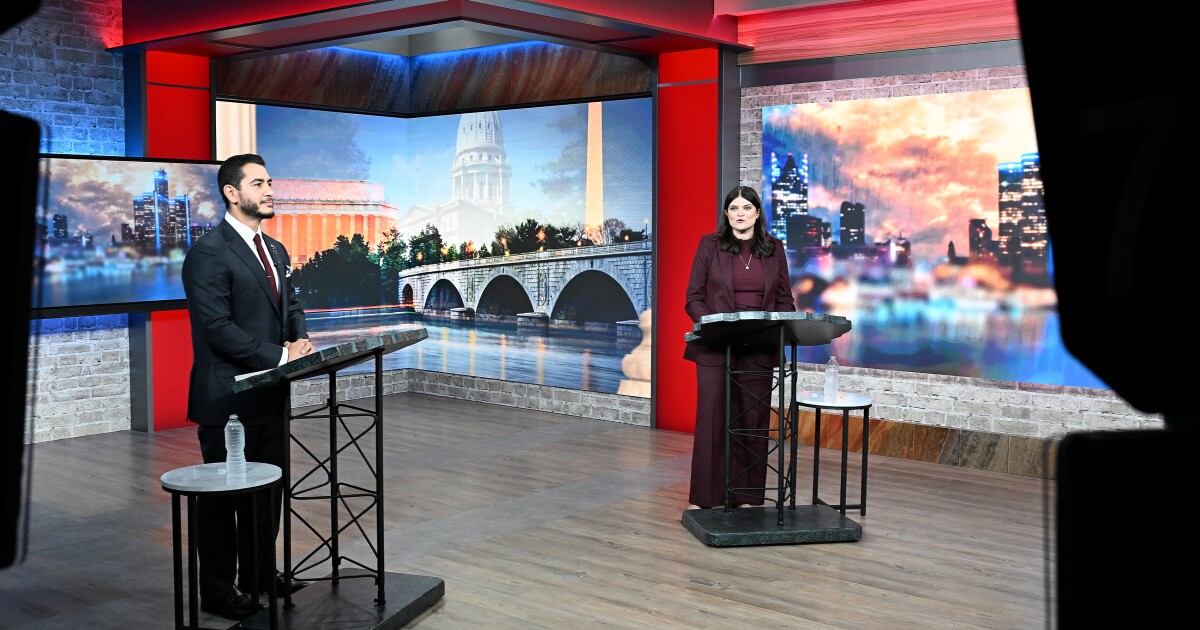
Michigan's Democratic Senate Primary: A Critical Showdown
The upcoming Democratic primary for the U.S. Senate seat in Michigan is set to emerge as a defining moment for both the state and the Democratic Party nationally. U.S. Representative Haley Stevens is vying against former Detroit health official Abdul El-Sayed, making their contest crucial for shaping the Senate's political balance moving forward.
Michigan has established itself as an important battleground state, playing a decisive role in recent presidential elections. In addition to this Senate race, 2026 will feature competitive elections for the governor, the U.S. House, and the state legislature, further amplifying Michigan's significance in the national political arena.
Progressive candidates have seen notable successes in recent years, such as the election of Zohran Mamdani in New York City and victories over established Democratic incumbents in various primaries. The retirement of Democratic U.S. Senator Gary Peters adds a layer of excitement to this primary, which is expected to be among the highlights of the November general election.
Endorsements Shape the Landscape
Haley Stevens has garnered endorsements from key figures in the Democratic establishment, including Senator Gary Peters, Governor Gretchen Whitmer, and former Senator Debbie Stabenow. Nationally recognized leaders like Senate Minority Leader Chuck Schumer and former House Speaker Nancy Pelosi have also publicly supported her campaign.
Conversely, Abdul El-Sayed is backed by prominent progressive leaders, including Senators Bernie Sanders and Elizabeth Warren, and Representatives Alexandria Ocasio-Cortez, Ilhan Omar, and Rashida Tlaib. Despite trailing in fundraising, El-Sayed's campaign benefits from a strong grassroots movement and substantial support from progressive organizations.
Financial backing has played a significant role in this race, as Stevens has received more support from external entities. Notably, the United Democracy Project, associated with the American Israel Public Affairs Committee (AIPAC), has invested over $30 million in her favor, reflecting the high stakes involved in this primary.
Key Voter Demographics
Wayne County, home to Detroit, is the most populous region in Michigan and a vital area for Democratic voters. Other important regions include Oakland, Macomb, and Kent counties, with Washtenaw County—known for its university presence—serving as a progressive stronghold.
Historically, progressives have found success in Washtenaw and Kent counties, particularly during the 2016 primaries, where Bernie Sanders secured notable victories. Meanwhile, Wayne County's diverse demographics, including significant Black and Arab American populations, traditionally favor establishment candidates, which may influence this primary's outcome.
In parallel contests, Democratic Secretary of State Jocelyn Benson and Republican U.S. Representative John James are leading their respective gubernatorial primaries. The influence of congressional districts, such as the 7th and 13th, is also under examination, as their outcomes could impact the control of the U.S. House.
Navigating the Primary Process
The polls for the primaries are set to close at 8 p.m. local time, which encompasses both Eastern and Central time zones. Michigan’s complex ballot includes primaries for the U.S. Senate, House, governor, state Senate, and state House, with an open primary system that permits any registered voter to participate in any party’s primary.
As of early July, Michigan reported around 8.3 million registered voters. In the previous 2024 primaries, approximately 63% of votes were cast either early or via mail, thanks to a 2022 ballot initiative that enhanced voting accessibility. Over one million ballots were already submitted leading up to the election day.
Initial vote counting typically begins shortly after polls close, combining mail, early in-person, and Election Day ballots. In past elections, enough ballots have been counted by midnight to provide a substantial update, with nearly all votes tabulated by the next morning.
The Associated Press will declare a winner only when a candidate's lead is deemed unassailable but will continue to monitor and report updates if the race remains too close to call. Michigan's recount laws enable automatic recounts in tight statewide races, and candidates can request additional recounts under specific