

NAACP Engages Young Detroit Voters in Critical Election Efforts

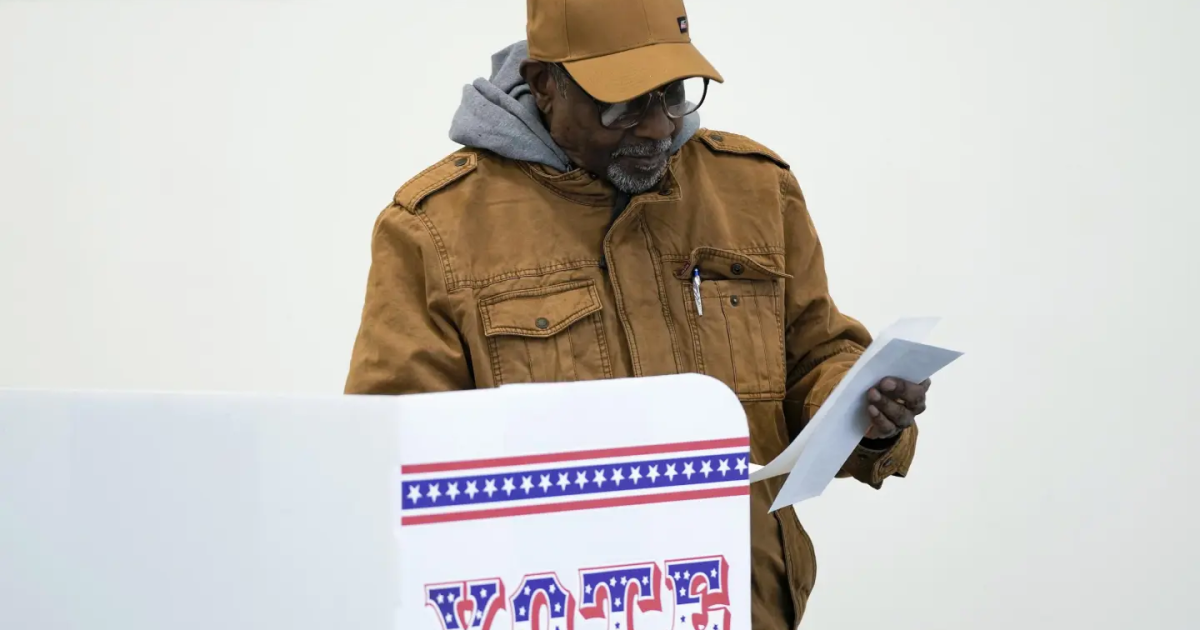
NAACP and Students Gear Up to Engage Young Voters in Detroit
As Election Day approaches, the NAACP is spearheading efforts in Detroit to galvanize young voters in Southeast Michigan. With many college students and volunteers joining forces, the initiative aims to highlight the significant role that youth participation can play in shaping local and national governance.
Amari Fennoy, who serves as the National Mobilization Director for the NAACP, pointed out economic challenges as a central issue driving voter concern this election. She stated, “We understand that Michigan voters are tired, they’re exhausted. We’ve seen the videos, people saying we need change currently.” This mobilization effort includes outreach to Black voters between the ages of 18 and 25 specifically in Wayne and Macomb counties, assisting them in formulating their voting strategies.
A’naya Jones, a senior at Wayne State University and a leader within the Michigan NAACP’s Youth and College Division, is dedicated to making political engagement resonate with her peers. She encourages young individuals to connect the dots between electoral outcomes and their personal aspirations. “If you’re really involved, and you want to get involved, it doesn’t become boring,” she noted. Jones also shared how political involvement can intertwine with career goals, such as nursing, saying, “Let’s say I want to be a nurse, and I want to help the people in my community, how can I do that outside of my job? I can go out and vote so I can make sure they’re able to afford healthcare.”
The political landscape in Michigan is viewed as particularly crucial this election cycle, especially with the competitive U.S. Senate race that could sway the balance of power. This election has seen an uptick in campaigns that specifically target Black voters, reflected in political advertisements that address community-centric issues and frequently showcase influential Black leaders.
NAACP President Derrick Johnson has expressed alarm regarding the increasingly divisive nature of the political dialogue in Michigan. He described the current campaign cycle as the most polarized he has encountered across the country, stating, “Using people’s ethnic and religious differences to pull people apart. That is not the society that we want to grow and become.” He also recalled how similar divisions historically prompted many Black families to migrate northward in search of better living conditions, echoing the need for unity and collective action today.