

Delays and Trust: Michigan's Election Night Results and Their Implications

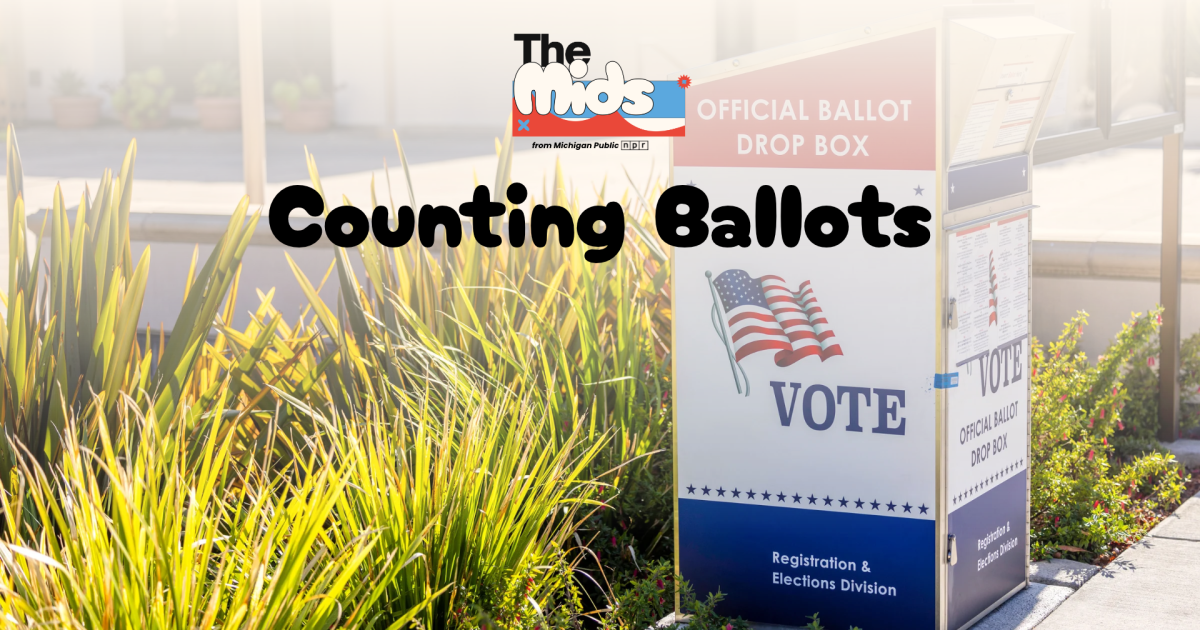
As Election Day unfolds in Michigan, voters anxiously await the outcome of their choices. The atmosphere is charged with anticipation, particularly noted at the recent Michigan Public's Issues & Ale event, where many residents participated proactively in the midterm voting process. While early voting remains a popular choice, many, including the author, continue to uphold the tradition of casting their ballots in person on this significant day. With the counting of votes underway, questions surrounding the timeliness of absentee ballot tabulation have emerged. This year, early absentee ballot processing has been implemented, aiming to accelerate the reporting of results, even as some tight races remain undecided. Kara Gavin's questions delve into how this process is unfolding. The Election Process in Michigan Closing of Polls The majority of polling stations in Michigan close at 8 p.m., though a few locations in the western Upper Peninsula remain open until 9 p.m. to accommodate the Central Time Zone. Notably, any voters in line at closing time are still permitted to cast their ballots, and all absentee ballots received by this time must be accounted for. Ballot Count Verification Following the closure of polls, election officials initiate a verification process to ensure that the quantity of ballots matches the number of individuals who voted. This critical step upholds the integrity of the electoral results. Results Transportation Results are not simply processed electronically; they must be physically taken to the clerks' offices, incorporating both electronic data on disks and the actual ballots. This practice eliminates potential vulnerabilities associated with internet transmissions. Understanding Perceptions of Delays Former Governor John Engler, associated with the Democracy Defense Foundation, highlights that while physical transportation of materials can prolong the reporting timeline, it adds a layer of security to the process. He notes that the sight of trucks collecting ballots late at night might be misinterpreted by some as suspicious activities. Challenges in Reporting Disparities in Ballot Counts In situations where ballot counts do not align with voter totals, election officials conduct thorough searches for potential errors such as overlooked ballots or human miscalculations. Re-tabulation Procedures If discrepancies arise, the ballots may need to be manually re-fed into counting machines, an operation that takes time but is crucial for ensuring accurate results. The Hamtramck mayoral race serves as a pertinent example of this meticulous process. Trust in the Election Process The swiftness of result reporting can significantly affect public confidence in the electoral process. Kent County clerk Lisa Posthumus Lyons underscores the necessity of transparent communication and prompt updates, acknowledging that the lead can fluctuate as more ballots are counted. Despite varying strategies in publicizing results, local clerks work diligently to maintain the trust of their constituents, especially amid a backdrop of recent controversies regarding election integrity. Voter Resources As voters prepare for Election Day, it is vital to access reliable information. Resources such as Michigan Public's election coverage and voter guides can provide essential information. For live updates and detailed results, visit