

Michigan Congresswoman Stevens Shocks Party by Endorsing Mike Rogers

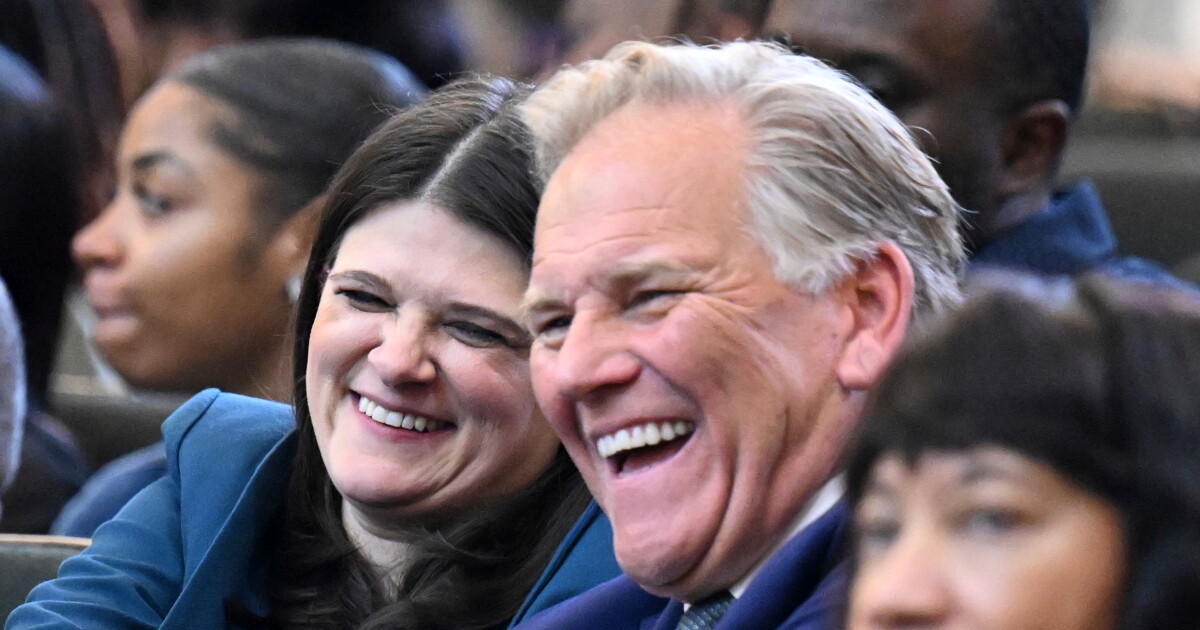
In an unexpected turn of events, Michigan Congresswoman Haley Stevens has publicly endorsed Republican candidate Mike Rogers for the U.S. Senate, marking a significant shift in the political landscape just days ahead of the election. This endorsement follows Stevens' exclusion from a campaign event with Abdul El-Sayed, the Democratic nominee she narrowly lost to in the primary.
The endorsement occurred after both Stevens and Rogers attended a church service in Detroit. Stevens stated, “Our Democratic nominee for Senate said I was no longer welcome in his campaign and that I should stay away. And he’s right. And that’s why I am endorsing Mike Rogers for the United States Senate today.” Following her announcement, her chief of staff resigned, reflecting the fracture within the Democratic ranks.
Impact on the Democratic Party
Stevens’ decision to support Rogers has sent shockwaves through the Democratic Party, leading to immediate staff resignations and a public statement from state party chair Curtis Hertel. Hertel expressed dismay over the situation, asserting, “We reject the attempts by Stevens and bad-faith actors to divide our party and undermine our momentum.” Rogers, in turn, expressed his appreciation for Stevens’ support, describing himself as “honored” by her endorsement.
Prior to this fallout, Democratic leaders aimed to present a united front, but internal tensions flared over contentious campaign topics, particularly regarding Israel. Rep. Debbie Dingell had disinvited Stevens from a planned joint appearance, labeling the situation as “distracting” just days before the election.
Fractured Relations and Previous Rivalry
The rivalry between Stevens and El-Sayed reflects deeper ideological divides within the party, particularly on issues such as Israel. Stevens has garnered support from pro-Israel groups, while El-Sayed has faced scrutiny over his prior comments and affiliations. Despite initial intentions for cooperation following the primary, both candidates have struggled to reconcile their differences, with Stevens publicly calling on El-Sayed to disavow certain external campaign advertisements that he clarified were not associated with his campaign.
While the Democratic Party seeks to mobilize voter turnout among Black and Jewish communities in the competitive race to succeed retiring Senator Gary Peters, challenges remain. El-Sayed, continuing his campaign independently, did not comment on Stevens’ endorsement but focused on his message to supporters during separate events.
For further details on this evolving situation, readers can refer to the AP News article and read about the background on the primary.