

Michigan's Secretary of State Defies DOJ Demand for Voter Data

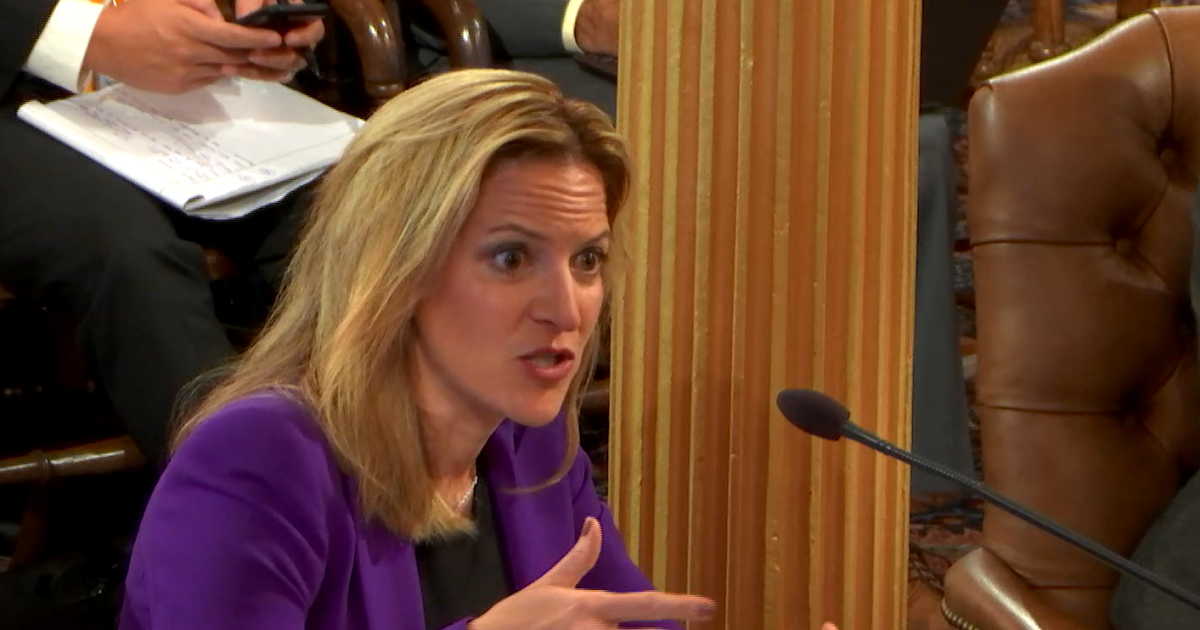
In a significant confrontation between state leadership and federal authority, Michigan's Secretary of State, Jocelyn Benson, has publicly rejected a request from the U.S. Department of Justice for voter data. This refusal highlights ongoing debates surrounding voter privacy and the boundaries of federal oversight related to electoral operations.
Details of the Federal Request
In a recent video statement, Benson outlined her concerns regarding the DOJ's demand, which seeks sensitive voter information, including Social Security numbers and driver’s license numbers. “The United States Justice Department is trying to get me, Michigan’s chief election officer, to turn over your Social Security number, driver’s license number, and voting information,” she remarked. “I told them they can’t have it.”
The Justice Department's legal action against Benson stems from a claim that Michigan's procedures for identifying and removing ineligible voters from the state's rolls fall short, citing a clearance rate of 4.2% compared to the national norm of 9.1%.
Upholding Voter Privacy
Benson has maintained her stance against the DOJ's requests, as indicated in correspondence to the department on September 2 and September 9. She asserts that the DOJ should rely solely on publicly available records to perform its oversight responsibilities. “The Department of State manages and maintains your driving and voting records in accordance with the law,” she emphasized, reaffirming that “federal and state laws include strict privacy protections to keep this data confidential and to keep you safe from identity theft.”
This position has garnered support not only among Democratic officials but also among Republican secretaries of state across various states, who are similarly opposing the DOJ's initiative to collect voter records. The Justice Department's outreach has extended to over 30 states, prompting a widespread examination of federal-state relations in the management of electoral data.