

Young Democrats Rise to Challenge Incumbents in 2026 Primary Elections

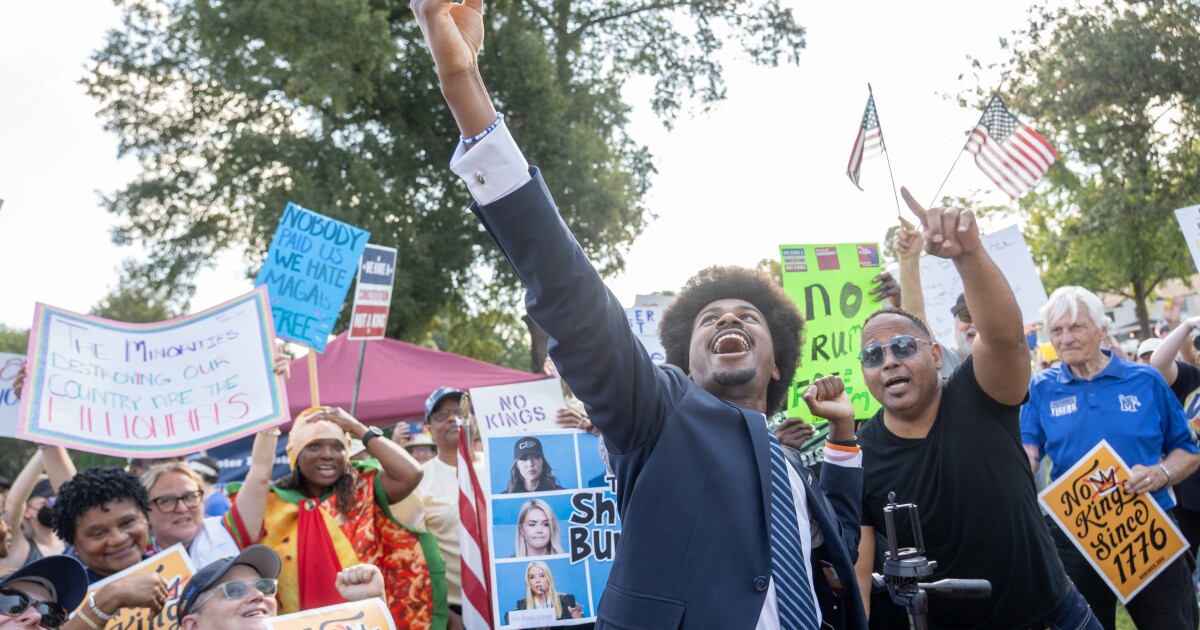
A New Generation Challenges Political Norms in Democratic Primaries
As the political arena prepares for the upcoming elections, a notable trend has emerged: a surge of young Democrats stepping up to contest long-established incumbents. One prominent figure in this movement is Justin Pearson, a 31-year-old Tennessee state representative, who is actively campaigning against his former mentor, Steve Cohen, for the Memphis congressional seat.
“We need someone who has new ideas, new energy and a new perspective to be an advocate for our community,” Pearson stated, emphasizing his motivation for running as one that transcends a simple rivalry with Cohen, who has been in office for more than a decade.
This increasing presence of youthful candidates is marked by the participation of over 80 individuals from Generation Z and millennials in races against House Democrats aged 65 and older. This is a significant jump compared to the last election, where only 24 candidates under 50 years old ventured to challenge their elders.
Fundraising Success Amidst Stiff Competition
Despite grappling with the challenges that come with running against seasoned politicians, Pearson's campaign has demonstrated impressive fundraising capabilities, securing $732,000 from mid-October to the end of 2025. This amount notably exceeds the total fundraising of all challengers Cohen has faced in the past 16 years. Nevertheless, Cohen remains well-resourced, holding over $1.8 million in campaign funds, aided by substantial contributions from corporate political action committees.
“I’m not running against a person, I’m running against the problem, and the problem is the status quo,” Pearson remarked, outlining his campaign's strategy that eschews corporate PAC funding in favor of grassroots financial support.
Calls for Generational Transformation
The Democratic Party is currently engaged in vital discussions regarding the need for generational transformation, with an increasing focus on innovative perspectives to revitalize voter engagement. Brian Derrick, co-founder and CEO of Oath, a Democratic fundraising platform, pointed out, “The message is clearly that part of the gig is knowing when to leave,” highlighting the necessity for seasoned politicians to recognize when to step aside for new leadership.
Oath has reported over $10 million in contributions directed toward young challengers, including Pearson, reflecting a shift in voter priorities within traditionally safe Democratic districts.
Navigating Challenges in Established Political Landscapes
While significant financial backing is essential, it does not assure victory at the polls. A recent example from North Carolina demonstrates this reality, where incumbent Valerie Foushee narrowly defeated her well-funded challenger, Nida Allam. This outcome illustrates the intricacies involved in contesting seasoned politicians.
As the Democratic Party gears up for the midterm elections, the impact of young candidates, their innovative approaches, and dedication to grassroots campaigns could play a pivotal role in reshaping the political landscape. David Hogg, founder of Leaders We Deserve, underscored the importance of candidates who genuinely embody the interests of a newer generation within the party.
While the Democratic Congressional Campaign Committee is focused on flipping Republican-held seats, the increasing presence of youthful challengers in primaries signifies a broader movement towards change within the institution, addressing evolving demands from a diverse base of Democratic voters.