

Studies Undermine Mike Lawler's Claims of Bipartisan Governance
- Better American Media

- Mar 4
- 2 min read
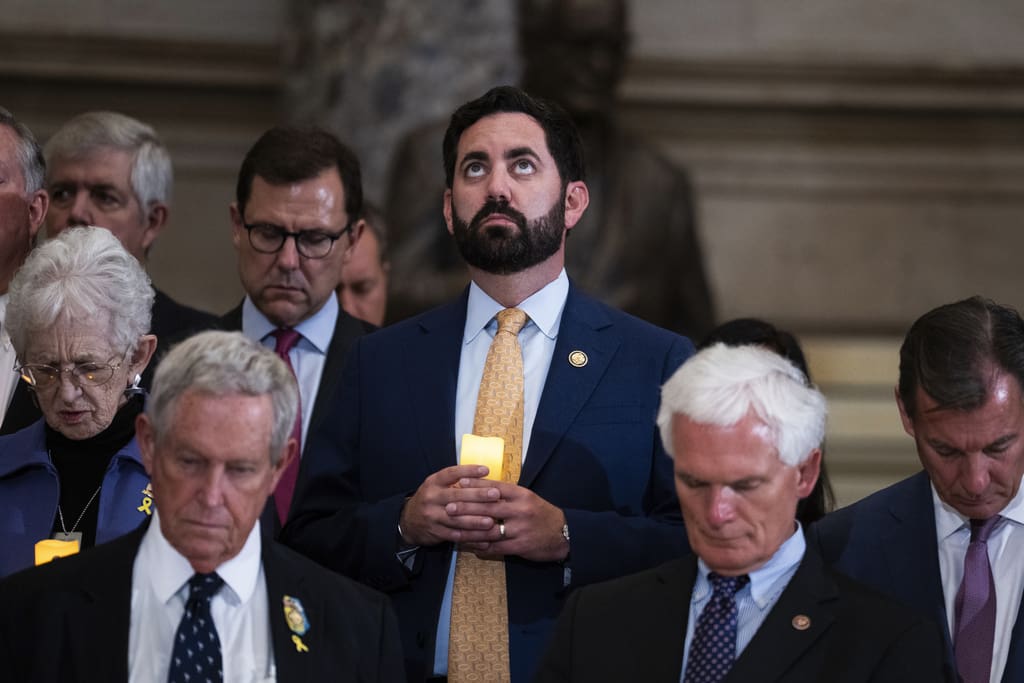
Study Findings Raise Questions About Mike Lawler's Bipartisan Image
The political landscape for New York Representative Mike Lawler has come under scrutiny as recent research challenges his self-portrayed image of bipartisanship. Two independent studies reveal a consistent alignment with former President Donald Trump’s policies, raising doubts about his moderate credentials.
Research conducted by CAP Action alongside the nonpartisan VoteHub analyzed Lawler's voting behavior on significant legislation throughout the last year. The focus was on key bills that the Trump administration clearly supported, underscoring Lawler’s alignment with Trump's agenda.
Among the contentious laws Lawler endorsed were the Rescissions Act, which aimed at reducing federal expenditures on foreign aid and public broadcasting, and the One Big Beautiful Bill Act, projected to displace approximately 7.8 million individuals from Medicaid by 2034.
Despite these results, Lawler, representing a diverse constituency in New York's 17th District, maintains that his electoral success is rooted in a "bipartisan, pragmatic approach to governing." His assertion of moderateness continues to play a significant role in his campaign strategy.
Intriguingly, Lawler has openly criticized former Representative Marjorie Taylor Greene, suggesting that her lack of congressional achievements stems from her "inability to work across party lines." However, the studies from CAP Action and VoteHub indicate that Greene's voting alignment with Trump was less pronounced compared to Lawler's.
Moreover, additional analysis from VoteView has highlighted a notable increase in Lawler's partisan voting, escalating from 81% alignment with party lines between 2023 and 2024 to 92% since 2025. This discrepancy points toward a move toward greater partisanship, coinciding with Trump's re-emergence as a significant influence in the political arena.
As Lawler gears up for his third term, Democratic strategists have identified him as a Republican candidate susceptible to challenges in the forthcoming elections, reflecting potential vulnerabilities in his political standing.