

Zandi Warns One-Third of U.S. States Face High Recession Risk
- Better American Media

- Aug 26, 2025
- 2 min read
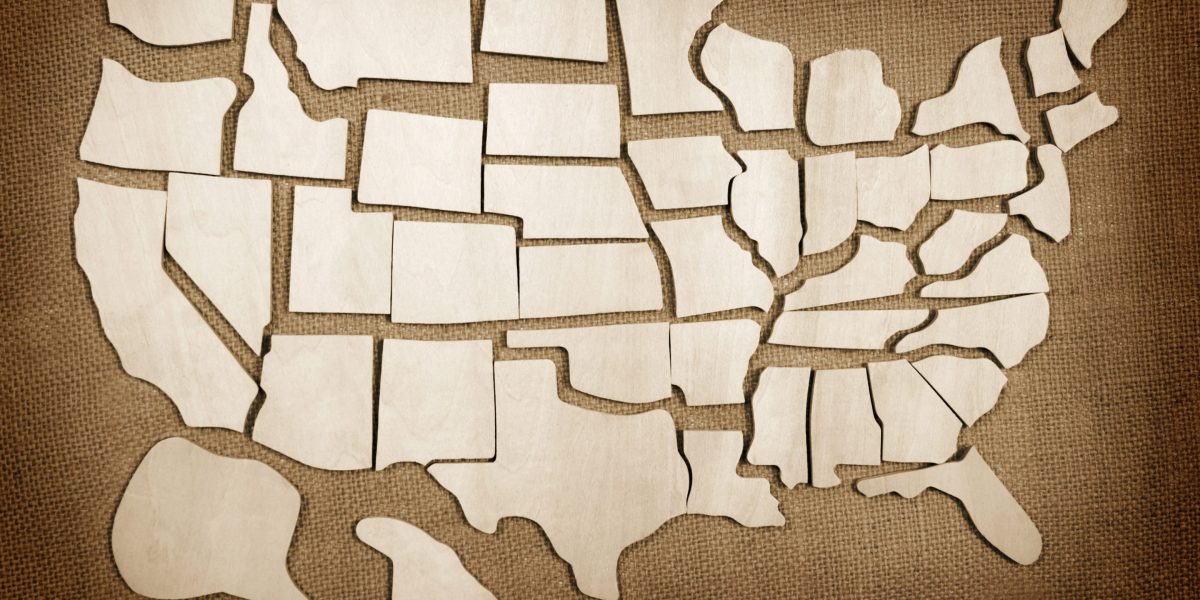
Economic Outlook: Mixed Signals from U.S. States
As concerns about a potential economic downturn loom, a comprehensive analysis from Mark Zandi, the Chief Economist at Moody’s Analytics, reveals that nearly one-third of U.S. states are facing a high risk of recession. The economic landscape shows notable disparities across different regions, with some states maintaining stability while others exhibit robust growth.
In early August, Zandi indicated that the U.S. may be approaching a recession, with signs highlighted in a subsequent social media update regarding various states' economic health. He remarked, “States experiencing recessions are spread across the country, but the broader D.C. area stands out due to government job cuts.” This observation comes as Southern states show persistent strength, although there are emerging signs indicating a slowdown in their growth trend. Conversely, the economies of California and New York, which together account for more than 20% of the national GDP, continue to remain stable and critical for the overall health of the U.S. economy.
The economic outlook is further complicated by recent projections from the Atlanta Fed’s GDP tracker, which forecasts a slowdown in national growth from a robust 3% in the second quarter down to 2.3% in the upcoming third quarter.
The states are categorized based on their economic performance:
Recession/high risk (22 states): Wyoming, Montana, Minnesota, Mississippi, Kansas, Massachusetts, Washington, Georgia, New Hampshire, Maryland, Rhode Island, Illinois, Delaware, Virginia, Oregon, Connecticut, South Dakota, New Jersey, Maine, Iowa, West Virginia, District of Columbia.
Treading water (13 states): Missouri, Ohio, Hawaii, New Mexico, Alaska, New York, Vermont, Arkansas, California, Tennessee, Nevada, Colorado, Michigan.
Expanding (16 states): South Carolina, Idaho, Texas, Oklahoma, North Carolina, Alabama, Kentucky, Florida, Nebraska, Indiana, Louisiana, North Dakota, Arizona, Pennsylvania, Utah, Wisconsin.
Zandi's insights have been corroborated by machine-learning models indicating a 49% likelihood of recession within the next year. While economic strategies like tax cuts and increased defense spending are under consideration, any substantial benefits are not expected until at least next year. According to Zandi, “The economy will be most vulnerable to recession toward the end of this year and early next year” due to various pressures, including inflation, tariffs, and stringent immigration policies that threaten consumer spending.
Among the potential factors that could trigger a downturn, Zandi pointed to concerns in the Treasury bond market, which could lead to rising long-term yields. He also highlighted signs of strain in the labor market, with jobs declining across more than half of industrial categories, a historical pattern often associated with recessionary periods.
Recent job market data adds to the economic uncertainty, with only 73,000 new jobs added last month—beneath the expected 100,000. Additionally, earlier employment growth estimates for May and June have been significantly revised downwards, raising doubts regarding the sustainability of job creation in the near future.
Given these circumstances, Zandi cautions that forthcoming employment statistics might reveal actual job declines, noting that over half of the industries are currently experiencing job losses, reminiscent of trends observed during previous economic downturns.