

ACLU Raises Concerns Over Abuse and Secret Deportations at Fort Bliss
- Better American Media

- Dec 10, 2025
- 3 min read
Concerns Raised Over Conditions at Fort Bliss Immigration Detention Center
Allegations against the Fort Bliss immigration detention facility in Texas have surfaced, prompting scrutiny from civil rights organizations regarding the treatment of detainees. Reports indicate significant accusations of abuse, including physical violence, sexual misconduct, and coercive deportations, particularly affecting non-Mexican nationals.
A coalition of advocacy groups, including the American Civil Liberties Union (ACLU) and Human Rights Watch, articulated their concerns in a detailed 19-page letter directed at officials from the Immigration and Customs Enforcement (ICE) and Fort Bliss commanders. The letter highlights serious violations of both policy and constitutional rights by the personnel operating the facility.
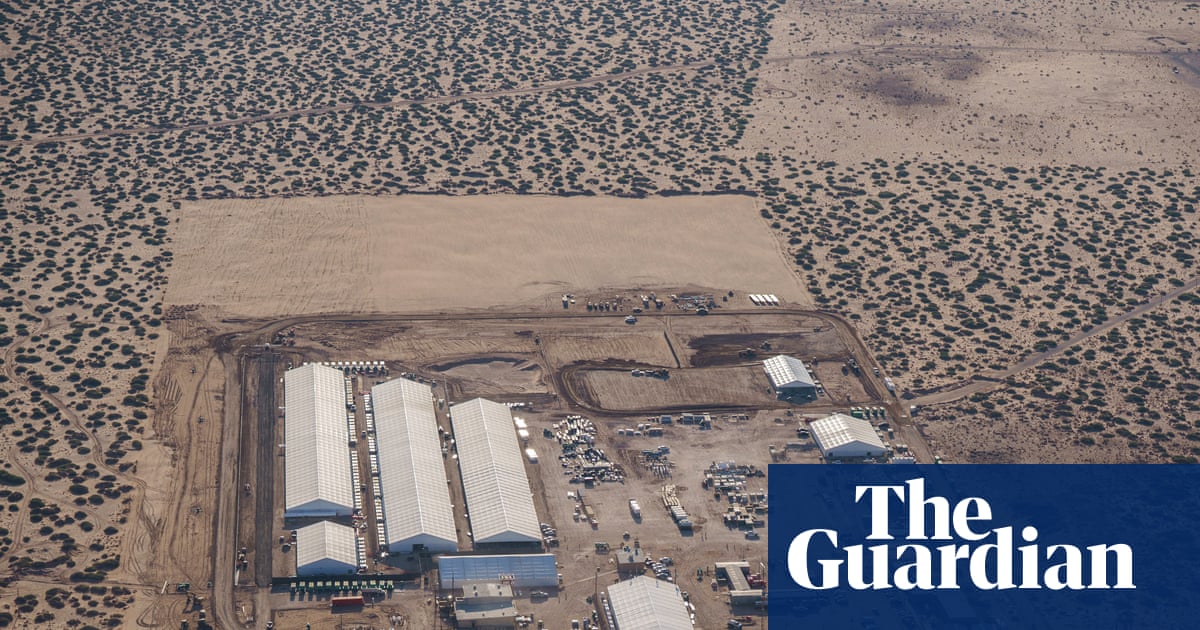
Over 2,700 people are currently housed in makeshift tent accommodations at Fort Bliss, where advocates demand an immediate halt to immigration detention. They assert, “In light of these abuses, we urge the end to detention of immigrants at Fort Bliss.”
In response to these allegations, officials from ICE and the Department of Homeland Security (DHS) have strongly refuted the claims. Tricia McLaughlin, DHS Assistant Secretary, stated, “Any claim that there are ‘inhumane’ conditions at ICE detention centers are categorically false. No detainees are being beaten or abused.”
Crisis management at the U.S.-Mexico border has also come under fire, with reports detailing forced deportations where detainees are allegedly shackled and transported to remote crossing points. Specific attention has been directed towards non-Mexican nationals, including asylum seekers from Cuba and Guatemala, who reportedly felt coerced into returning to dangerous conditions.
A detainee known as “Eduardo” recounted a harrowing experience in which masked agents pressured him to jump the border wall, threatening him with imprisonment if he did not comply. This incident underscores the troubling nature of the alleged coercive tactics used in deportations.
The Washington Post, which first publicized the concerns outlined in the letter, confirmed some of the claims but acknowledged challenges in gathering comprehensive information due to limited communication from detainees and restricted media access.
Testimonies from within the camp paint a troubling image of everyday life for detainees. Accounts reveal incidents of guards employing excessive force and sexual violence as means of discipline. One Cuban national, referred to as “Isaac”, described a violent altercation following his refusal to sign a deportation document, resulting in physical harm and humiliation.
Additionally, reports of inadequate sanitation within the camp highlight poor plumbing conditions leading to flooding and unsanitary situations. Detainees have reported resorting to personal items to manage waste due to a lack of adequate cleaning supplies.
Concerns about medical neglect are also prevalent, with claims that individuals with serious health issues have not received proper care. There are also reports of insufficient and sometimes spoiled food leading to deteriorating health among the detainee population.
While McLaughlin maintains that detainees receive necessary care and amenities, ACLU representative Eunice Hyunhye Cho pointed out the lack of oversight as a contributing factor to the alleged rights violations. “Placing thousands of people in tent camps in the middle of the desert, in a military base, without adequate staffing was a recipe for humanitarian disaster,” Cho commented.
Calls for greater transparency and accountability are growing, with local leaders and human rights advocates urging the DHS to address these troubling conditions. Texas Congresswoman Veronica Escobar has labeled the facility a “public health hazard,” advocating for open discussions and reforms to improve the situation.