

Whitmer Meets Trump to Discuss Impact of Auto Tariffs on Michigan Economy
- Better American Media

- Aug 11, 2025
- 2 min read
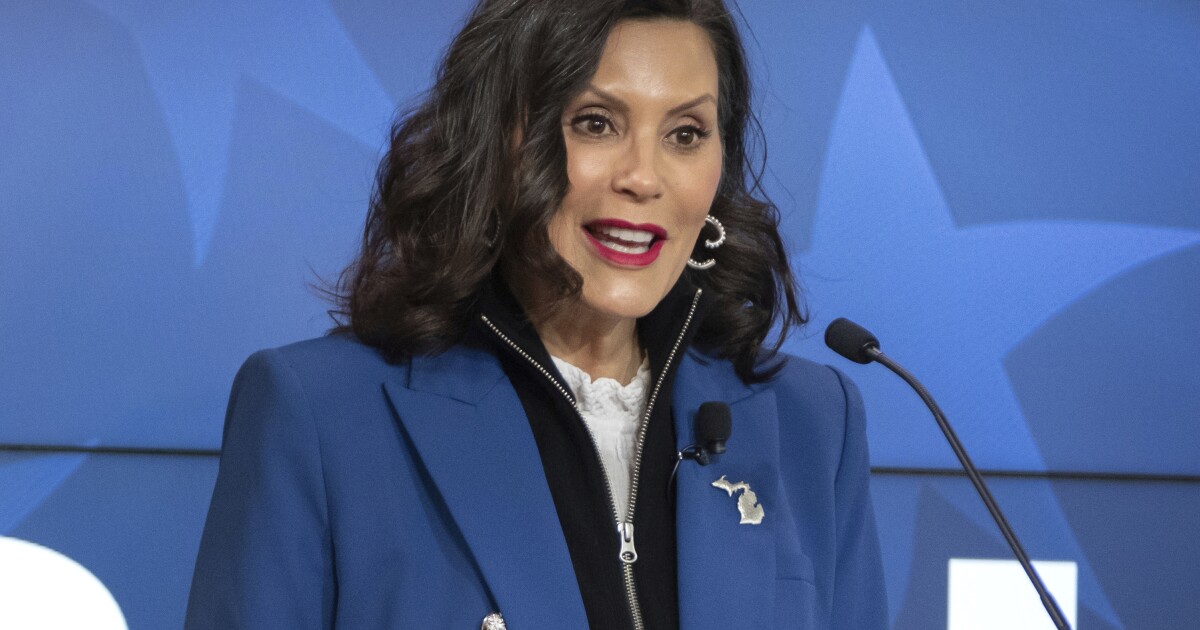
Governor Whitmer Addresses Auto Industry Tariffs in Meeting with President Trump
Michigan Governor Gretchen Whitmer recently held a private meeting with President Donald Trump at the White House, focusing on the significant tariffs affecting the automotive sector. This conversation is critical as the automotive industry plays a vital role in the economy of Michigan, which is still recovering from various economic challenges.
Equipped with detailed presentations, Whitmer raised concerns regarding the adverse effects of Trump's tariffs on steel, aluminum, and automotive parts. This meeting was notable as it was Whitmer's third interaction with the president since he took office, highlighting the ongoing need for state leaders to advocate for their economic interests amidst federal policies that may not align with state needs.
Political experts, including Matt Grossman from Michigan State University, noted that Whitmer's access to the president for direct dialogue is rare in today's political environment. During their discussion, she pointed out that the tariffs could jeopardize Michigan's economy, especially as it is a strategic state for Trump's prospects in the upcoming 2024 presidential election.
While the president did not make any firm commitments during the meeting, his administration has claimed to prioritize the revival of the American automotive industry. White House spokesperson Kush Desai remarked, “no other president has taken a greater interest in restoring American auto industry dominance than President Trump.”
Critics of the tariffs, however, have raised alarms about their impact on U.S. automakers, arguing they put American companies at a disadvantage compared to foreign rivals benefiting from lower tariffs negotiated by the Trump administration. The automotive industry in Michigan includes heavyweights such as General Motors, Ford, and Stellantis, which together sustain approximately 600,000 manufacturing positions.
Automakers have reported serious financial repercussions due to these tariffs. Ford's CEO, Jim Farley, noted, “We expect tariffs to be a net headwind of about $2 billion this year.” Both Ford and GM have faced substantial costs linked to tariffs, which impede their ability to reinvest in domestic production.
Smaller automotive suppliers are grappling with similar pressures. Mike Musheinesh, owner of Detroit Axle, emphasized the precarious situation for businesses, stating, “Right now it’s a market of who is able to survive, it’s not a matter of who can thrive.”
The outcome of these tariffs raises crucial questions about Michigan's economic future: Will they foster growth or lead to further economic difficulties? The impact of these decisions may significantly influence the political dynamics in this key battleground state.