

Iowa's Hospital Crisis: Medicaid Cuts Spark Closures and Staff Layoffs
- Better American Media

- Mar 11
- 2 min read
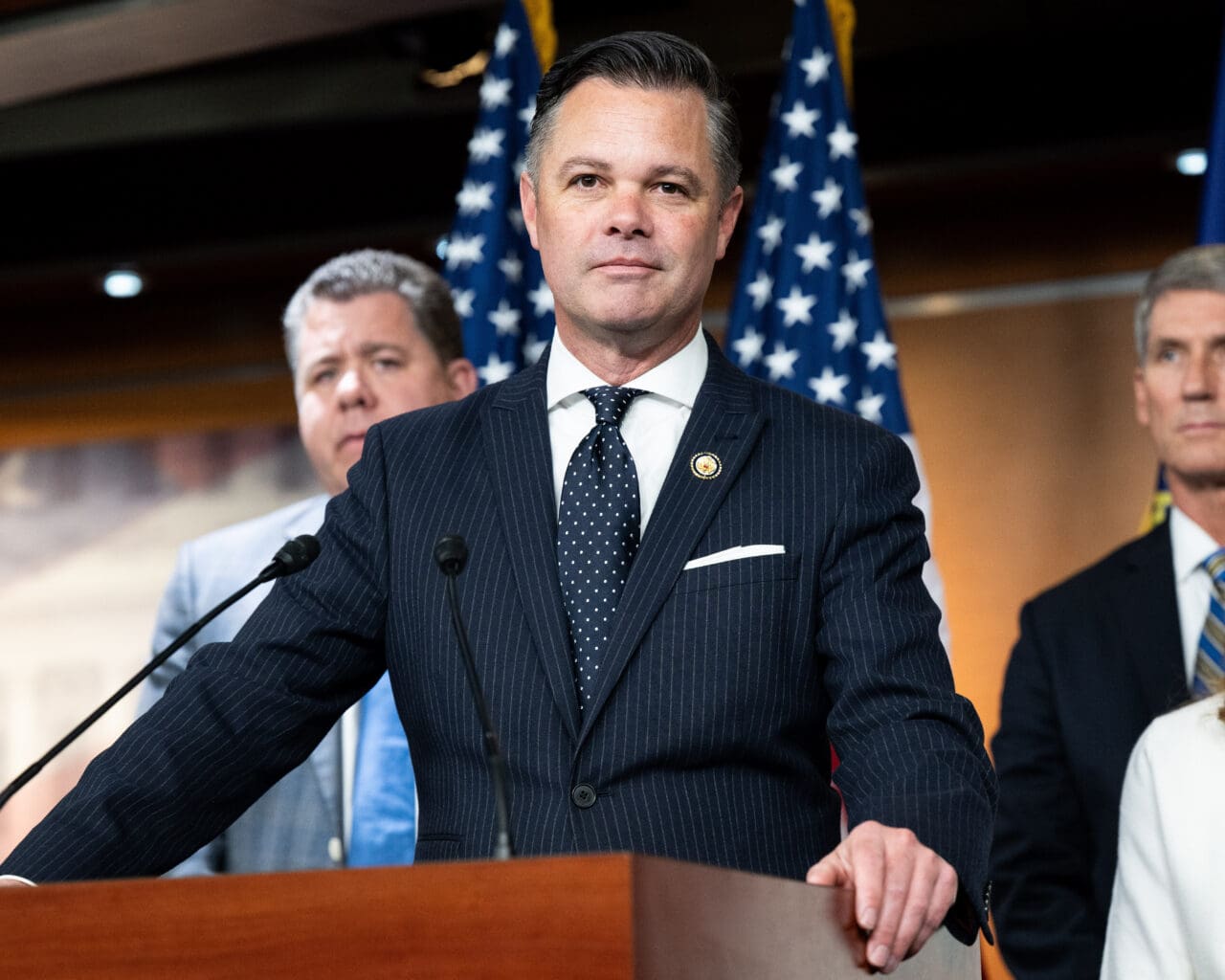
In Iowa, the effects of the One Big Beautiful Bill Act (OBBB), championed by Representative Zach Nunn, are becoming increasingly clear. This controversial legislation is designed to slash Medicaid funding by an astounding $1 trillion by the year 2034, triggering a wave of hospital closures and service reductions throughout the state.
Despite Rep. Nunn’s previous comments to WHO13 News in July 2025 suggesting that fears surrounding rural hospital closures were unfounded—stating, “I think the myth here is that rural hospitals are going to close down. That’s not the case”—the unfolding situation presents a stark contrast. Since the implementation of OBBB, seven medical facilities across Iowa have either closed their doors, laid off staff, or decreased the range of services they provide.
Impact on Local Healthcare Facilities
Among the most affected has been MercyOne, a large Catholic nonprofit managing several healthcare offices in Iowa. MercyOne has announced the closure of its clinics in Ottumwa and Traer, while also cutting back on staffing at its facilities in Des Moines and Mason City. In particular, the Ottumwa clinic's closure is significant as it is situated within Nunn's own district, now forcing patients to travel greater distances for necessary healthcare services.
Broader Consequences on Healthcare Access
MercyOne has cited fiscal pressures related to the Medicaid cuts as a key factor leading to its workforce reductions. A representative from the organization remarked, “It is not possible to simply absorb such a significant financial impact without making thoughtful, forward-thinking changes.”
The impact is also evident at other facilities, such as the Pella Regional Medical Clinic in Ottumwa, which has reduced its family and general practitioner services, and the Southeast Iowa Regional Medical Center in West Burlington, which has discontinued its birthing services. Experts in health policy are voicing concerns about the long-term viability of healthcare provision in regions heavily dependent on Medicaid funding.
Despite the troubling trends and backlash from the community, Rep. Nunn remains steadfast in his support of OBBB. His ongoing campaign is marked by a series of ads promoting the supposed benefits of the legislation, even as he approaches a potentially challenging reelection bid as a Republican incumbent in the forthcoming election.
For further details, you can read the full article on American Journal News.