

Oil Prices Surge Over $100 Due to Middle East Tensions and Supply Crisis
- Better American Media

- Mar 9
- 2 min read
Crude Oil Prices Soar Beyond $100 Amid Middle East Tensions
Crude oil prices have surged, surpassing the $100 per barrel mark for the first time in nearly four years, driven by ongoing conflicts in the Middle East, particularly involving Iran. This spike in prices could signal further increases as geopolitical tensions persist.
In recent trading, oil futures jumped by 11%, with U.S. oil climbing $8 to reach $99 a barrel, and Brent crude rising $9 to hit $101. Notably, this marks an unprecedented single-day increase, overshadowing previous record price jumps.
Historically, the last significant escalation above $100 occurred during the war in Ukraine, with prices exceeding this level between March and July of 2022. However, current circumstances have triggered a more drastic rise, largely attributed to disruptions in the Strait of Hormuz, which is vital for transporting a substantial portion of the world's oil.
The Strait's closure due to Iranian threats has resulted in a substantial decrease in oil supply, with estimates indicating a reduction of around 20%, double the impact experienced during the Suez Crisis in the late 1950s, according to the Rapidan Energy Group.
Key oil producers, including Saudi Arabia and the UAE, have found themselves with limited capacity to promptly respond to the supply shortfall, leaving the market vulnerable. Bob McNally, president of Rapidan, remarked, "The result is a market with no meaningful cushion. There is no swing producer to step in."
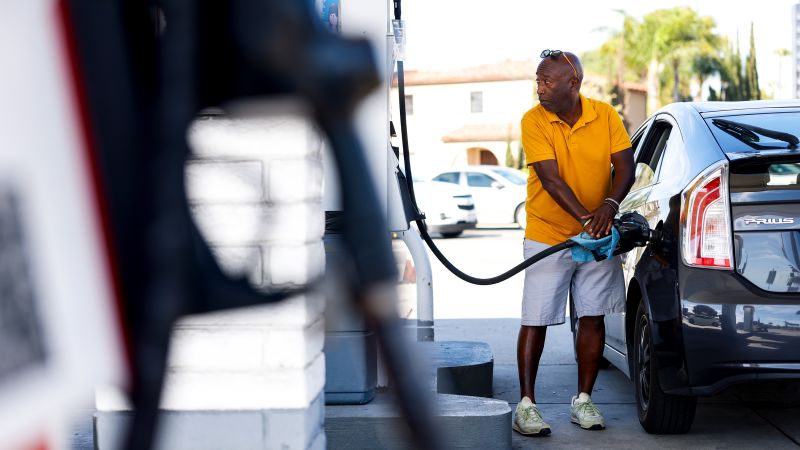
This increase in oil prices has also led to a corresponding rise in gasoline, with U.S. prices jumping 50 cents in just one week to $3.48 per gallon, reflecting levels not seen during either of President Donald Trump’s terms in office.
Despite the unstable situation, analysts note a still-existing surplus of oil globally, as previous market conditions had created a glut. Prices had been relatively stable around $60 per barrel before recent hostilities flared up.
Looking to the future, market insights from Dan Pickering of Pickering Energy Partners predict prices to stabilize around $60 per barrel for deliveries in 2027 and 2028, suggesting that the current spike may not last indefinitely. However, if the conflict continues unabated, Kpler’s Homayoun Falakshahi cautions that we could see prices climb as high as $150 a barrel by the end of March.
In response to rising costs, global governments are exploring various options, including discussions among G7 finance ministers regarding the potential release of strategic oil reserves. Additionally, the Trump administration has floated the idea of providing tanker insurance to mitigate risks associated with shipping in the Strait.
The U.S. plans to secure naval escorts for ships traversing the strait; however, shipping companies remain cautious amid the ongoing crisis. With the pressures mounting, analysts assert that the urgency for effective solutions is critical to prevent further increases in oil prices.