

Universities Stand Firm Against Trump's Political Funding Proposal

As the deadline approaches for the Trump administration's proposed Compact for Academic Excellence in Higher Education, a notable resistance has surfaced among major universities in the United States. This proposal, which outlines specific political conditions tied to federal funding, has prompted significant debate and pushback from the academic community.
Details of the Proposal
The Compact includes various stipulations such as restrictions on transgender individuals’ sports participation and access to bathrooms, a five-year tuition freeze, limits on the enrollment of international students, and mandatory standardized testing for college admissions. These requirements have not only elicited concern but have led to outright refusals from multiple institutions.
Universities Declined Participation
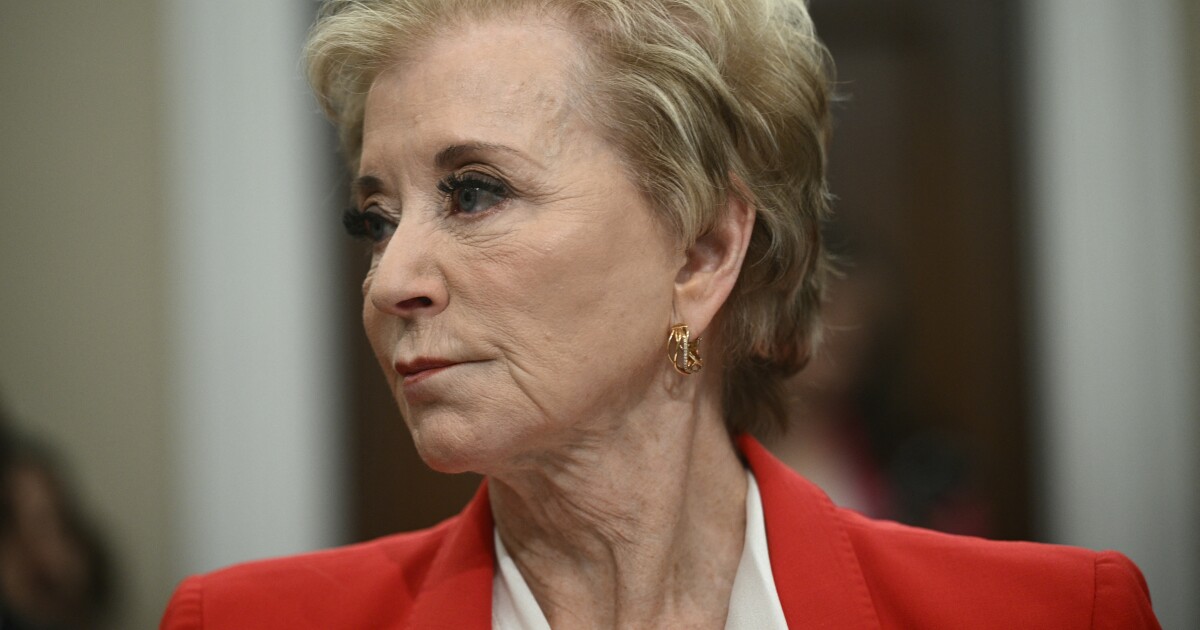
Out of the nine universities initially targeted, six have expressed their decision not to engage with the compact. MIT was the first to formally reject the proposal, with President Sally Kornbluth articulating in a letter addressed to Education Secretary Linda McMahon that the compact's conditions clash with the principle of funding based on merit in scientific research.
In a timely response to MIT's refusal, President Trump conveyed via Truth Social that all interested colleges would have the opportunity to join the compact, extending beyond the initial nine targeted institutions.
Other Universities' Responses
Other universities, including Brown University, the University of Pennsylvania, and the University of Southern California, have also opted against signing the agreement. A virtual discussion led by the White House provided a platform for additional universities, such as the University of Arizona and the University of Texas at Austin, to deliberate on the implications of the compact.
In line with this trend, both the University of Virginia and Dartmouth College have officially declined to sign. President Sian Leah Beilock of Dartmouth articulated that aligning with any administration's compact does not foster academic excellence, while UVA’s interim President Paul Mahoney raised concerns about the potential undermining of research integrity by deviating from merit-based assessments.
Wider Implications
The response from higher education institutions underscores a broader skepticism regarding government initiatives that intertwine politics with educational funding. Concerns are also heightened in light of recent federal research grant cancellations attributed to institutional policies surrounding diversity, inclusion, and LGBTQ+ rights.
As discussions continue, the White House remains silent on the unfolding situation amid a backdrop of ongoing governmental shutdowns, with critics attributing these issues to resistance from Democratic lawmakers, as referenced in an automated email response from NPR.