

Trump's Plan to Suspend Federal Gas Tax During Surge in Fuel Prices

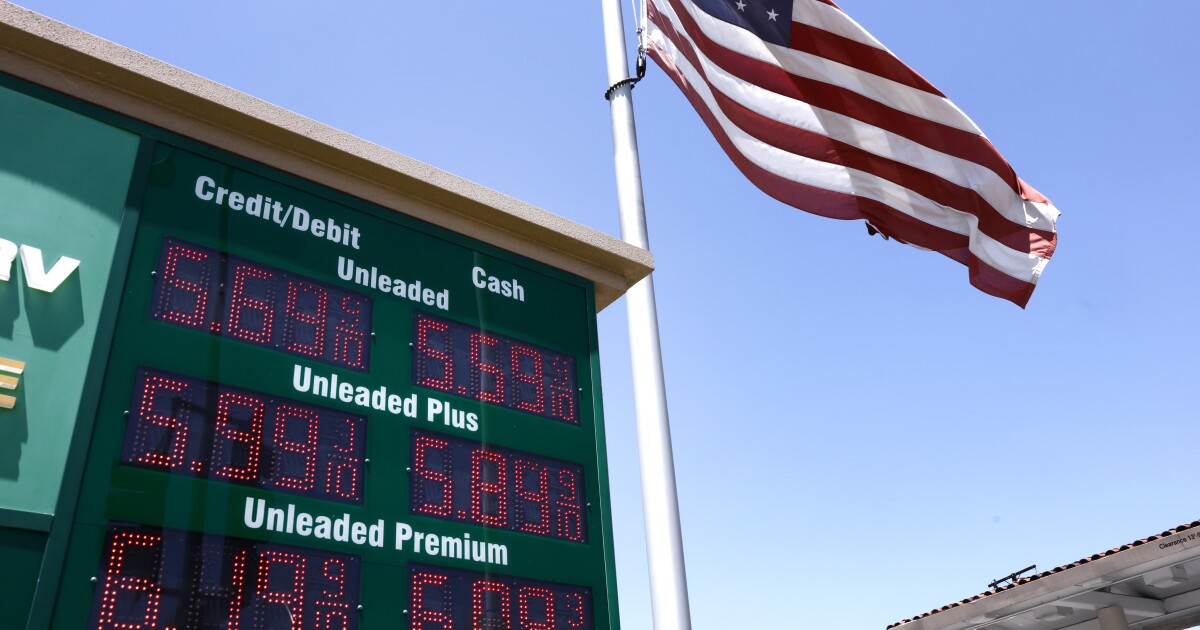
In response to the rising costs of gasoline, which have reached the highest levels in four years, President Trump has suggested a temporary halt to the federal gas tax. This tax, set at 18.4 cents per gallon, is part of a broader effort to offer relief to drivers facing financial strains amid ongoing geopolitical issues affecting oil supply.
The proposal emerges during a time of mounting frustration among consumers, as prices have surged significantly due to disruptions linked to the conflict with Iran. For the gas tax holiday to be enacted, it must receive the approval of Congress. While multiple legislative proposals are on the table, the likelihood of swift passage remains uncertain.
Calculating Potential Driver Savings
If the federal gas tax suspension is approved, it could lead to savings of 18.4 cents per gallon for drivers, equating to approximately $2.76 on a 15-gallon fill-up. However, with current national average prices hovering around $4.46 per gallon, the relief would only partially mitigate the impact of the recent price increases from levels prior to the conflict.
The savings that drivers might realize could be diminished, as some of the benefits could be absorbed by refineries and gas stations, particularly if the tax break is short-lived. Kent Smetters from the Penn Wharton Budget Model notes that market dynamics may enable suppliers to retain a portion of the tax savings by slightly adjusting prices upward. Forecasts suggest possible savings of around 13.2 to 16 cents per gallon for consumers. Additionally, a decrease in gas prices might inadvertently spur demand, potentially leading to a further increase in prices due to supply constraints.
Consequences for Infrastructure Funding
While the proposal could serve as temporary relief for motorists, it also raises concerns about the impact on crucial infrastructure funding. The federal gas tax is a vital source of revenue for the Highway Trust Fund, which finances interstate construction, repairs, and mass transit projects. Similarly, state gas taxes contribute to local road maintenance.
In a related case, Georgia's two-month suspension of its gas tax resulted in an estimated $361 million loss in revenue. Such significant funding shortfalls pose risks to road safety and maintenance, an issue highlighted by Rob Bhatt from LendingTree. According to AAA, poorly maintained roads, characterized by potholes and other deficiencies, resulted in $26.5 billion in vehicle repair costs nationwide in the previous year.
Examining the Federal Gas Tax Structure
The existing federal gas tax, unchanged since 1993, is increasingly inadequate to meet the escalating financial needs for highway upkeep, leading to gaps that require funding through general taxpayer resources. Politically raising the gas tax can be contentious and raises questions about its sustainability, especially as electric vehicles become more prevalent, reducing overall gasoline consumption.
Discussions are ongoing about alternative funding solutions, such as registration fees for electric vehicles, charges based on vehicle weight, and road usage fees. These methods aim to create a fair contribution system for all road users focused on maintaining infrastructure, though they face various political and privacy challenges. The future direction of the federal gas tax remains ambiguous, highlighting the need for a reliable and equitable model for funding road maintenance in the coming years.