

Trump's 50% Tariffs on Canada: New Trade Tensions Emerge Ahead
- Better American Media

- 2 days ago
- 2 min read
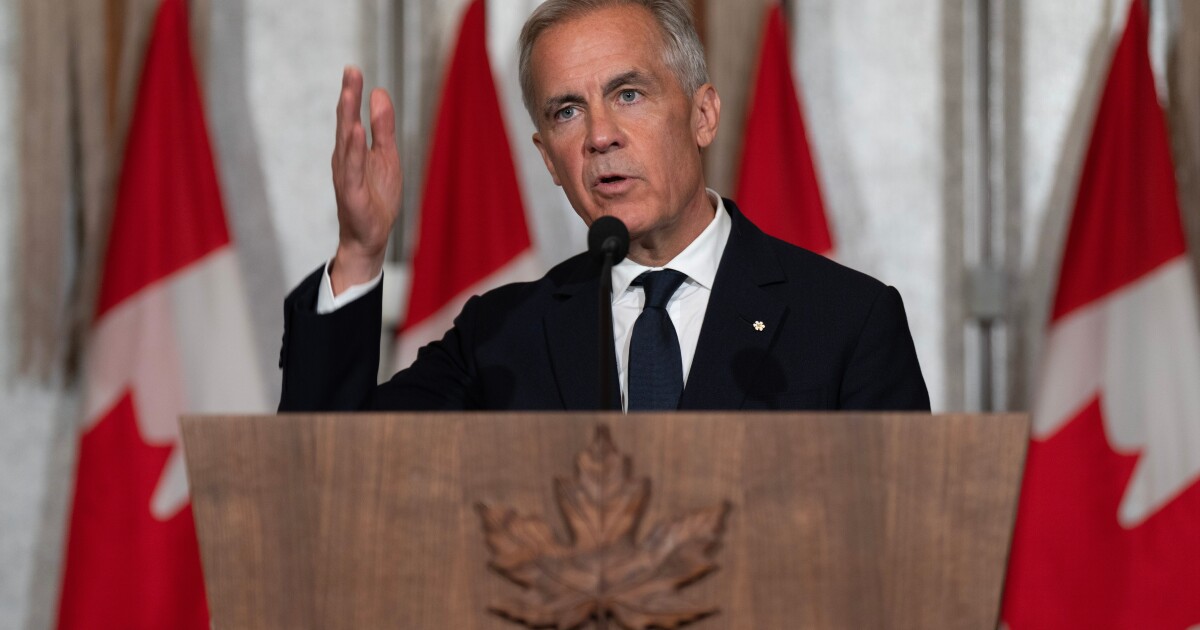
In a bold move that could reshape economic interactions, President Donald Trump has announced a substantial increase in tariffs on Canadian imports, imposing a 50% tariff on numerous goods. This decision follows allegations of unfair trade practices by Canada that are said to disadvantage American products, raising alarms about inflation and the future of U.S.-Canada trade relations.
The tariffs were introduced under Section 338 of the Trade Act of 1930 and are set to take effect in 30 days, which gives both nations a window for potential negotiation. Notably, energy products, potash, fish, and essential minerals are excluded from these tariffs, but many items previously not subject to tariffs under the U.S.-Mexico-Canada Agreement (USMCA) are now included, highlighting the need for new discussions, as the agreement was not renewed by the U.S.
Negotiations in Sight
In response to the tariff announcement, Canadian Prime Minister Mark Carney has indicated a readiness to engage in talks with the U.S., describing Canada’s stance as one of commitment to “free and fair trade.” Carney emphasized, “Canada stands ready to engage intensively to address outstanding issues with the U.S. to the mutual benefit of our citizens.”
Concerns regarding potential retaliation from Canada are growing, with Ontario Premier Doug Ford suggesting a reciprocal tariff response, stating, “If these tariffs proceed, Canada should respond tariff for tariff, dollar for dollar.” Industry leaders, such as Candace Laing, CEO of the Canadian Chamber of Commerce, have urged immediate negotiations to prevent further escalation. Chris Swonger, CEO of the Distilled Spirits Council of the United States, also called for a resolution to safeguard market access and protect the U.S. hospitality sector.
Economic Ramifications and Political Context
The implementation of these tariffs raises significant economic concerns, especially with midterm elections on the horizon. Experts warn that the economic fallout from such tariffs could lead to increased prices for consumers and potential retaliatory actions from Canada. Representative Suzan DelBene cautioned, “These new taxes will raise prices on American families and likely lead to retaliation against the very industries Trump purportedly wants to protect.”
Scott Lincicome from the Cato Institute remarked that employing Section 338 could introduce widespread uncertainties globally, suggesting that its use represents a major escalation in trade tensions. He called it “the nuclear option for Trump tariffs.”
Ongoing Trade Scrutiny
The Trump administration’s scrutiny of Canadian trade practices is not new. Ongoing disputes include claims of unfair tariffs on U.S. automobiles, alcohol, and dairy products. Specific grievances highlighted include a 25% tariff on some American vehicles imposed by Canada, as well as restrictions on American alcoholic beverages in various Canadian provinces.
The relationship between Trump and Carney has remained fraught, marked by tensions evident during previous exchanges, such as at the World Economic Forum, where Carney criticized the economic coercion of larger nations. Trump retorted, “Canada lives because of the United States.”
Copyright 2026 NPR