

Trump Administration Moves to Remove Buffer Zone at Chaco Canyon
- Better American Media

- 10 hours ago
- 2 min read
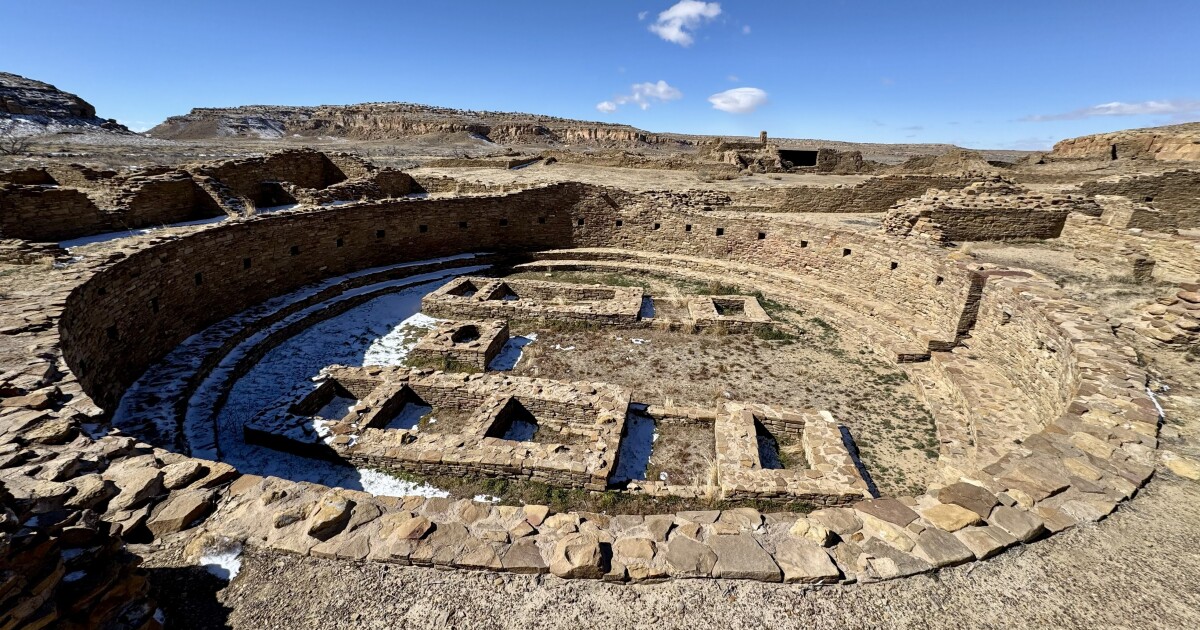
Amid ongoing discussions about energy development and cultural preservation, the Trump administration has announced its intention to remove a drilling moratorium imposed during the Biden administration around Chaco Canyon in New Mexico. This decision has reignited debates regarding the balance between economic interests and the safeguarding of historical and cultural sites.
Details of this proposal are outlined in a new draft environmental assessment, which spans 140 pages and emerged shortly after the Bureau of Land Management received approximately 70,000 public comments. The current public comment period will remain open until July 29, allowing for additional input on the proposed changes. Interested parties can submit their opinions here.
Chaco Canyon, recognized for its significant archaeological sites that were once central to ancestral Puebloan life, was designated a national monument in 1907 by President Teddy Roosevelt and later became a national historical park in 1980. The site is valued for both its cultural heritage and its potential as an economic resource.
Concerns Over Cultural Sites
Mario Atencio, a Diné activist, has expressed serious concerns regarding the buffer zone established under the Biden administration, emphasizing its importance in preserving the region from development. He remarked, “Everywhere else — all the way up to Colorado — has already been leased. This is the last few lands. That’s what the whole battle is.”
The buffer zone encompasses 336,400 acres, with estimates suggesting that there are around 25,000 significant archaeological sites within it, according to research conducted by Paul Reed in 2020. Reed noted the site’s ongoing cultural relevance, stating, “Many of the things that make pueblo people special today… flow directly out of things that happened in Chaco Canyon.” The Bureau of Land Management has identified over 7,500 historic and 145 cultural properties in this area, although these figures may be conservative.
Energy Development vs. Cultural Preservation
The ongoing presence of fossil fuel infrastructure in the area, symbolized by Sinclair Oil’s dinosaur mascot, highlights the tension between energy development and cultural preservation. Atencio pointed out the drastic changes the landscape has undergone, commenting, “This used to be a sort of ceremonial ground. There’s wells over there,” referencing the approximately 40,000 wells scattered throughout the region.
Support for lifting the buffer comes from some segments of the Navajo Nation, including Council Delegate Brenda Jesus, who advocates for energy independence. According to Jesus, there is more open dialogue with current Interior Secretary Doug Burgum, a shift from prior administration interactions. Conversely, voices from the pueblos and Hopi Tribe of Arizona have reported feeling sidelined in discussions that impact the Chaco Canyon area. Acoma Pueblo legal representative Aaron Sims stated, “Under this current administration, we have not had any visits that involved pueblo leadership there at Chaco Canyon.”
Political Divisions and Future Implications
Former Interior Secretary Deb Haaland, a member of Laguna Pueblo who is now running for governor of New Mexico, has stood firm in support of the buffer zone, describing it as essential for protection. She remarked, “Protecting Chaco is very popular around the entire state.” Meanwhile, members of New Mexico's Democratic congressional delegation, including Senator Martin Heinrich, have voiced opposition to the rollback of protections, indicating a trend towards unregulated development in the region. Acoma Pueblo Governor Charles Riley cautioned, “If we lose Chaco, who else are they going after?”