

Trump Administration Proposes Major Changes to ATF and Gun Regulations
- Better American Media

- Jul 2, 2025
- 2 min read
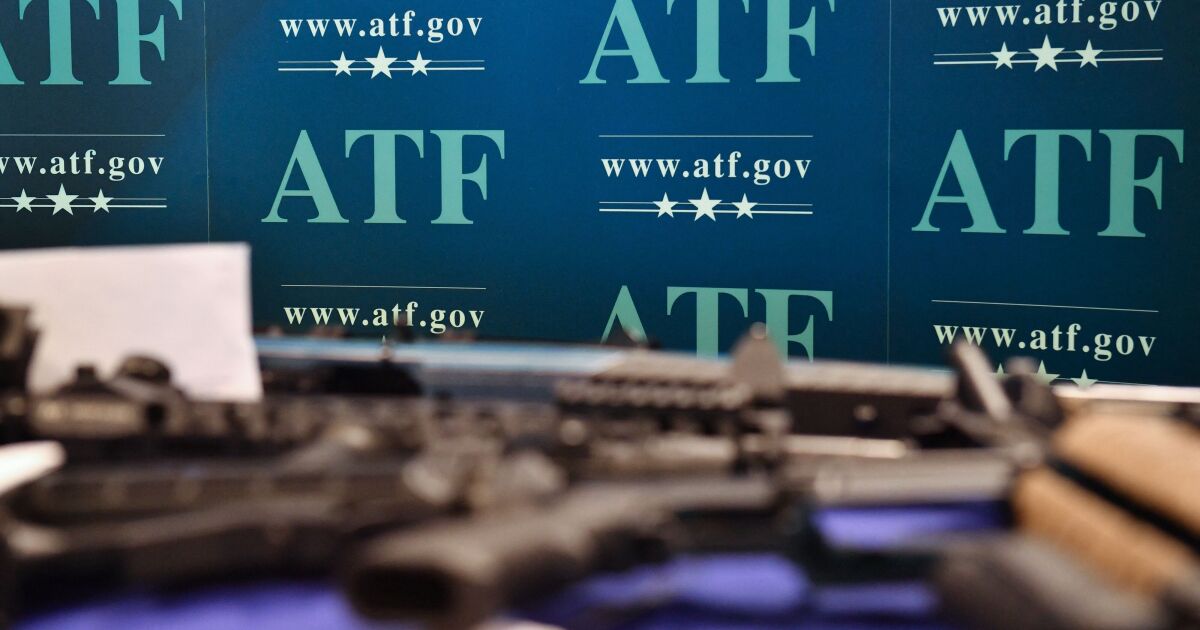
Proposed Revisions by Trump Administration Target ATF Operations
The Trump administration is embarking on a transformative plan affecting the Bureau of Alcohol, Tobacco, Firearms and Explosives (ATF), which may alter how firearms are regulated in the United States. Central to this strategy is a proposal to relax existing regulations and implement significant budget cuts, potentially reshaping the agency's effectiveness in overseeing gun-related activities.
A delegation from the Department of Government Efficiency has been assigned to the ATF, with directives to rapidly minimize regulations. Sources close to the situation, speaking on condition of anonymity, disclosed details of these initiatives to NPR. The ATF is crucial in combatting gun trafficking, ensuring compliance among gun dealers, and enforcing penalties when rules are breached.
In conjunction with ATF leadership, the Department of Government Efficiency is reviewing around 50 current regulations. Changes under discussion might include prolonging the period that firearm purchase background checks are valid from 30 days to 60 days, and permitting gun dealers to eliminate records after 20 years, instead of maintaining them indefinitely. Although individually these changes may seem minor, together they indicate a broader trend toward deregulation in the firearm industry.
Kris Brown, president of Brady, a nonprofit dedicated to stricter gun regulations, commented on the ATF’s essential role: “The reality is that the ATF plays a critical role in ensuring that gun dealers can operate in a fully, legally compliant manner. We don’t want to take that sort of critical oversight role away from them because there is no one else out there.”
As part of a comprehensive overhaul, the Department of Justice is advocating for a 25% budget cut targeting the fiscal year 2026, which includes the elimination of over 500 investigative jobs. This reduction could curtail the ATF's ability to effectively monitor the firearms and explosives sectors by an estimated 40%, according to internal analyses by the Department.
While the ATF declined to comment directly during an NPR interview request, it expressed a goal of reducing “unnecessary regulatory burdens” in favor of focusing on enforcement actions against violent offenders. Pamela Hicks, a former chief counsel at the ATF, illustrated the stakes by emphasizing the importance of precise record-keeping by firearm dealers for crime investigation, noting, “The reason why those [records] are kept is so that crime guns can be traced. And the reason why it’s critical that they be accurate is so that people who shouldn’t have guns don’t have guns.”
The ATF is distinctive for its capability to trace firearms involved in crimes, maintaining a database of ballistic markings akin to a “fingerprint” for firearms. This database is instrumental for law enforcement agencies in investigating violent crimes. Brandon del Pozo, a former police chief in Burlington, Vermont, emphasized the necessity of a well-funded ATF for effective law enforcement efforts.
Critics, including del Pozo, argue that reducing the ATF's budget conflicts with the administration’s proclaimed commitment to combating crime. The administration's reform agenda continues to evolve, indicating additional regulatory rollbacks may be forthcoming. A recent tax and spending bill passed by the Senate contains provisions that eliminate taxes on gun silencers and specific firearms, a change opposed by gun-control advocates.