

Tariff Threats Impact U.S. Coffee Prices and Supply Chain Stability

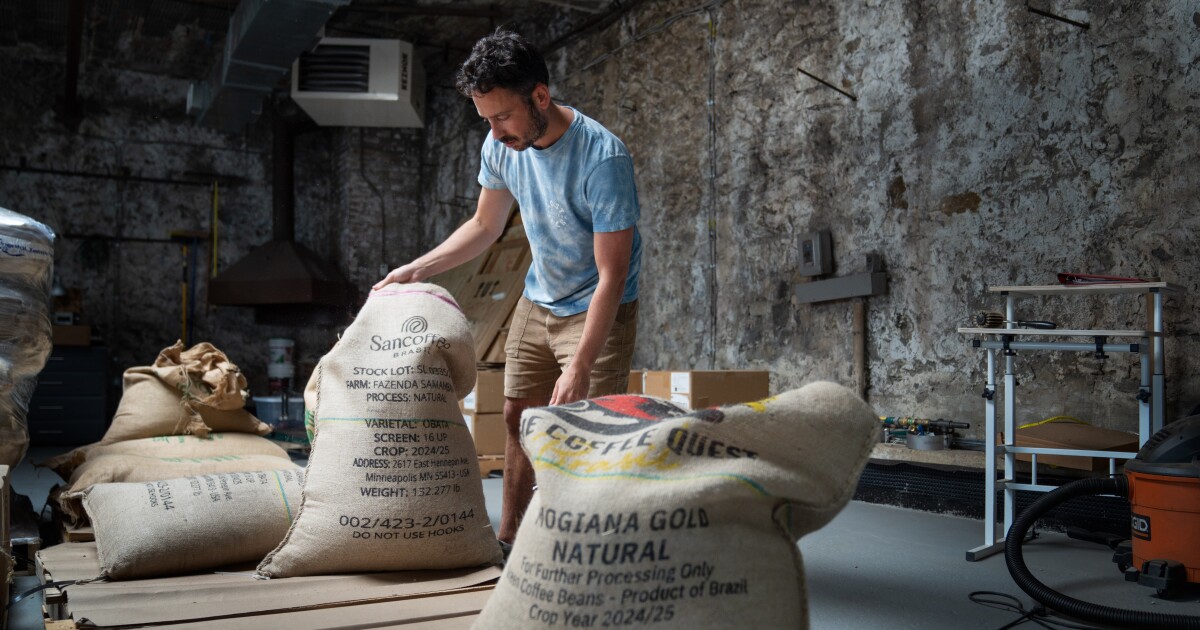
The rich aroma of coffee continues to permeate Lost Sock Roasters in Washington, D.C., but for co-founder Jeff Yerxa, his focus has shifted to the potential impact of proposed tariffs. A recently announced 50% tariff on products imported from Brazil, the largest coffee producer globally, is raising alarms in the coffee community. Brazil accounts for around 30% of U.S. coffee imports, amplifying fears regarding price increases and market stability.
Monica de Bolle, a senior fellow at the Peterson Institute for International Economics, highlights the severe ramifications these tariffs may inflict on the coffee market. “When people go to their local coffee shop, whether it’s Starbucks or something else, by and large they will likely be buying some form of Brazilian coffee,” she states. “A 50% tariff will kill that market.”
Implications for Stakeholders
Despite the tariffs not taking effect until August 1, the looming threat is already unsettling businesses reliant on Brazilian coffee beans. Yerxa emphasizes the dire economic context, noting that operators in the coffee sector often work with slim profit margins and could face cost increases of 30%. “At the end of the day, the consumer is the one that’s going to bear the brunt of it,” he explains, expressing hesitance to increase prices amidst rising costs.
While the Trump administration defends its trade strategy as a means to protect American jobs, business owners like Yerxa and Colby Barr of Verve Coffee Roasters counter that these tariffs make little sense given the U.S. cannot produce enough coffee to meet domestic demand. Barr aptly puts it, “It’s a tax on Americans’ mornings.”
Market Dynamics and Price Fluctuation
The coffee market has seen volatility for various reasons, including the ongoing pandemic and adverse weather conditions impacting harvests in Brazil. The Bureau of Labor Statistics reported a 12.7% rise in the price of roasted coffee and a 16.3% increase in instant coffee in June compared to the previous year, indicating growing inflationary pressures.
Yerxa notes that Lost Sock Roasters has established long-term relationships with Brazilian cooperatives, complicating the importation of beans. These tariffs would add further burdens on importers, affecting both wholesale and retail pricing.
Consumer Impact
De Bolle anticipates that cafes and restaurants might delay immediate price hikes due to existing inventories, but consumers at grocery stores could feel the sting of rising prices much sooner, as the perishable nature of coffee restricts the duration that businesses can rely on stored stock. If these tariffs endure, Lost Sock Roasters may have to reconsider using Brazilian beans altogether, though Yerxa is keen to maintain relationships with Brazilian partners for potential future cost reductions.
Barr warns that should prices for Brazilian coffee escalate, there could be an intense shift to alternate sources such as Vietnam, which is also threatened by tariffs. “It’s really, really difficult, and more like impossible, to really prepare for it,” he remarks, emphasizing that tariffs do not favor coffee producers, small businesses, or consumers alike. “Why are we doing it?” he questions.