

Study Reveals Disturbing Misuse of Force in Immigration Protests
- Better American Media

- 4 days ago
- 2 min read
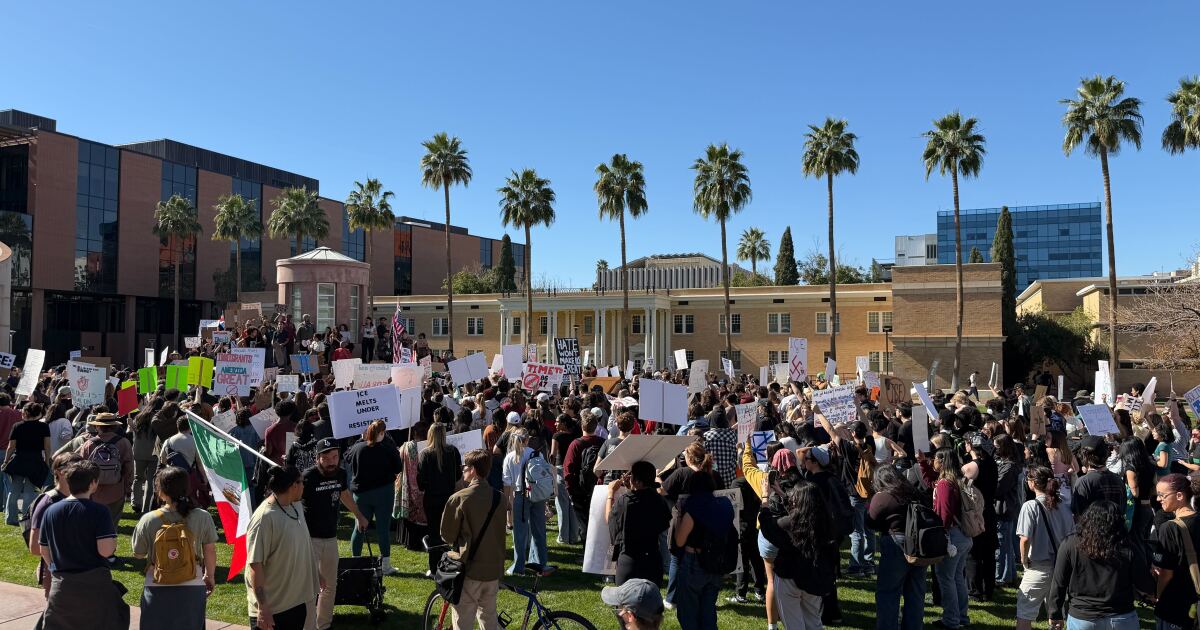
Study Highlights Alarming Use of Force During Immigration Protests
A comprehensive study has brought to light the aggressive tactics employed by law enforcement during immigration-related protests across the United States. Conducted with support from human rights and medical organizations, the research analyzes the deployment of crowd control measures by Homeland Security and local police through various sources, including bystander videos and news articles.
Payal Shah, who serves as the director of research, legal, and advocacy at Physicians for Human Rights and is a co-author of the report, articulated the need for this investigation. She noted, “What we were hearing time and again from courts and from the litigators that were seeking to end the use of crowd control weapons improperly by law enforcement officials was that there needed to be more information, more evidence around the patterns of use of these weapons.”
Between June 2025 and May 2026, over 400 incidents of force were recorded, with a notable instance involving an ICE officer deploying pepper spray at close range against an observer in South Tucson. The study indicated that a significant number of the victims were either protestors or members of the media.
Focusing on the inappropriate application of force, the report identifies many cases where vulnerable groups—including children and reporters—were exposed to harmful tactics that contradict safety protocols. Shah explained these practices, stating, “Including fire of projectiles not meant to be used in this manner, close range fire, shots targeted at the head or groin, or used in enclosed places or without exit.” This has raised serious concerns regarding the potential infringement of human and constitutional rights during immigration protests.
With more than 190 injuries cataloged, ranging from lacerations to severe brain injuries, the findings emphasize the urgent need for reforms. Sasha Schell from the Human Rights Center at the University of California, Berkeley, which contributed to the report, discussed the challenges of holding agencies accountable. “We had just a soup of sub-agencies at DHS, each with their own use-of-force manual, each with their own weapons, from different parts of the country, and it just makes accountability and understanding who’s doing what, why, how, that much more difficult,” Schell remarked.
The report advocates for enhanced Congressional oversight and concrete accountability measures. Recommendations include the implementation of body-worn cameras for officers and a prohibition on masks during operations, in addition to an outright ban on certain weaponry like metallic projectiles. Although a pilot program was initiated under the Biden administration, requiring some Border Patrol agents to wear body cameras and leading to the release of critical footage of excessive force incidents, progress appears to have stalled under previous Trump administration policies, as noted in the study.