

Sen. Collins' Reelection at Risk Over Data Center Lobbying Scandal

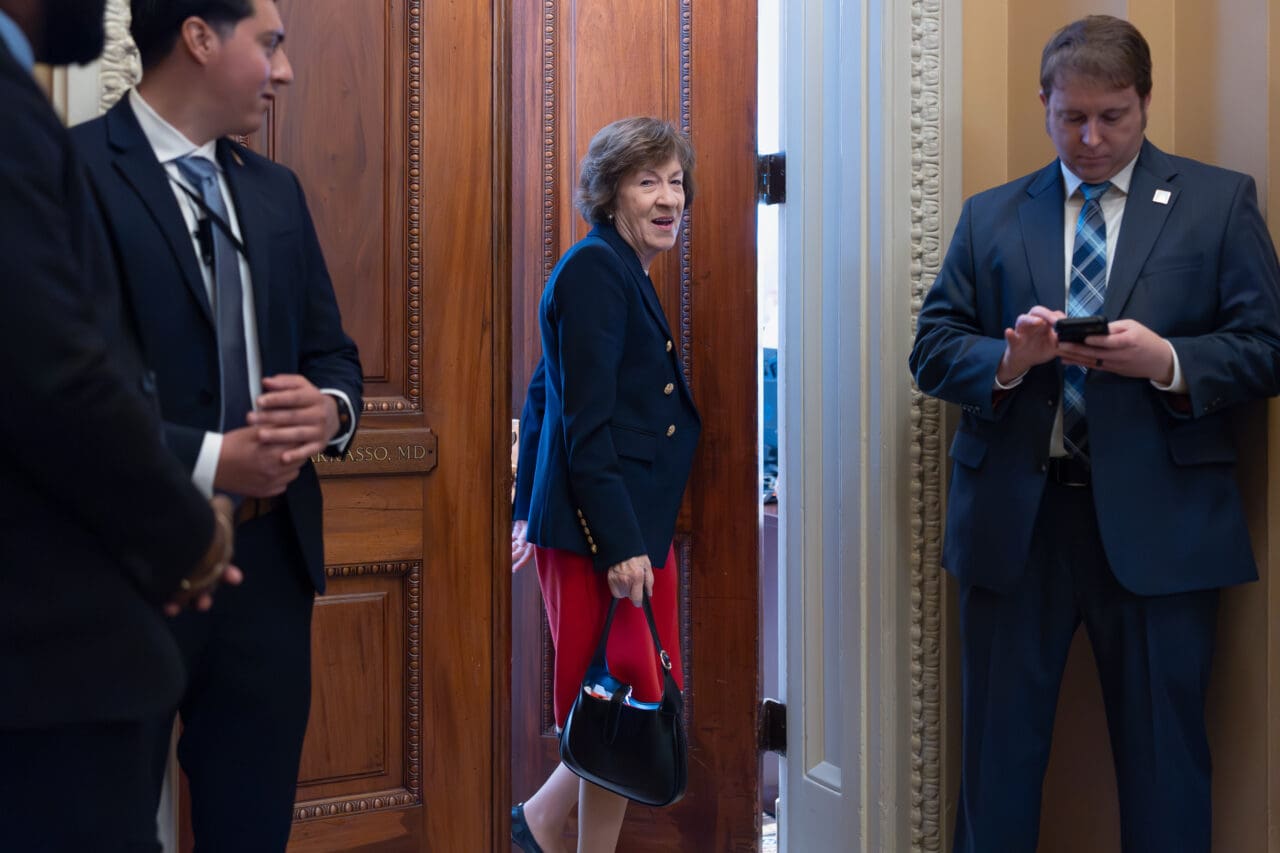
Senator Susan Collins Under Fire Amid Lobbying and Data Center Concerns
Maine Senator Susan Collins is navigating rough waters as new information surfaces regarding her husband's consulting engagements with a lobbying firm involved in data center projects. Thomas Daffron, who has been consulting for Chesapeake Enterprises since 2025, has ties to Scott Reed, a prominent figure under scrutiny for a pay-to-play scandal that could complicate Collins' upcoming reelection bid.
The rise of data centers, noted for their significant energy and water usage, is drawing increased attention from voters this election cycle, pushing Collins to address these intertwined issues head-on.
Daffron, who became Collins’ husband in 2012, previously served as an executive vice president at Chesapeake between 2001 and 2004. His consulting role has reportedly added income to the couple's finances, which have seen substantial growth—from $250,000 to $2.9 million at their marriage—now peaking at $4.1 million according to Collins' financial disclosures.
In May, Collins reported that Daffron earned over $1,000 from Chesapeake Enterprises last year. Senate regulations require an official report of spousal earnings exceeding this amount, although the exact earnings are not disclosed. This consulting role coincided with Chesapeake's lobbying efforts for Hillwood Investments, chaired by H. Ross Perot Jr., a contributor to Collins’ political campaigns. Hillwood has been involved in establishing several data centers, including one utilized by Meta, the parent company of Facebook.
Public sentiment towards data centers is increasingly negative, with a New York Times/Siena poll revealing that 61% of Americans oppose the construction of data centers in their vicinity. This concern is echoed in Maine, where several municipalities have implemented moratoriums on new data center projects, reflecting local apprehension about the associated rising utility costs.
Scott Reed’s lobbying activities for Hillwood include "real estate investments" and he plays a dual role as the leader of Pine Tree Results, a super PAC that supports Collins. Reed faced an FBI investigation in 2019 over donations linked to Navatek, a defense contractor, with allegations suggesting these donations aimed to secure federal contracts through Collins' influence. Collins has refuted these allegations and defended Reed, while the investigation ultimately concluded without charges after Donald Trump’s presidency resumed.
Amidst these controversies, Collins introduced the Ratepayer Protection Act, aiming to make data centers responsible for their electricity expenses. Critics from the Democratic Party have characterized the bill as lacking real enforcement mechanisms, pointing out that it only proposes standard suggestions without mandatory compliance.
The Act did not pass in the Senate on September 30, further complicating Collins' position as she seeks re-election. Her competitor for the seat, state Sen. Troy Jackson, calls for transparency and insists that data center projects must demonstrate clear benefits for Maine residents prior to approval.