

Colorado River Water Management: Key Negotiations Among Three States

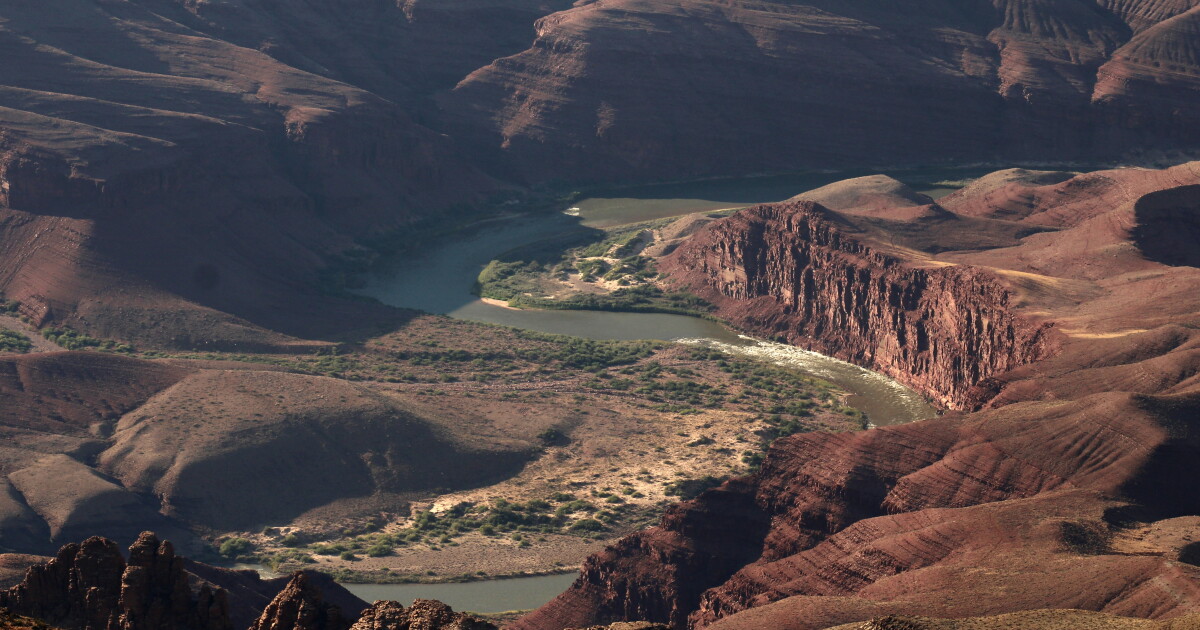
The management and allocation of water from the Colorado River remain at the forefront of negotiations among Arizona, California, and Nevada. As Arizona grapples with the impending changes in water supply rules, the state is embarking on critical discussions that seek to balance the needs of its agriculture and cities with sustainable water practices.
Starting this Thursday, new federal regulations regarding the Colorado River will take effect, although the implications for Arizona's water distribution are set to manifest later. Specifically, significant reductions in Arizona’s water supply will not be realized until January 1, 2027. This time frame underscores the complexity of water management across the basin, which does not follow a typical calendar year. The "water year" runs from October 1 through the next October 1, affecting how allocations are managed upstream from Lake Powell to Lake Mead.
Formulating Collaborative Agreements
As part of the agreements currently under negotiation, Arizona, California, and Nevada must come to terms by the end of the year. The agreement is essential, especially given that the new federal guidelines largely affect Arizona. Preliminary discussions suggest that California and Nevada are interested in easing some of the burdens on Arizona. As pointed out in a recent proposal, cooperation is pivotal for achieving a balanced distribution of water resources.
However, finalizing this agreement has proven challenging due to various hurdles, especially in determining which specific areas will need to implement water usage reductions. John Berggren from Western Resource Advocates explained the ongoing negotiations, stating, “It’s kind of been the story of the Colorado River for many years now. The people negotiating these agreements reach a high-level agreement of ‘Here’s what we’re willing to do,’ and then they have to go back and shop it around their state and make sure they can get their water users on board with what they are tentatively agreed to.”
Efforts to formalize these agreements are spearheaded by Arizona's Tom Buschatzke and his counterparts in California and Nevada. They are looking to secure substantial cuts in water allocations primarily impacting California's Metropolitan Water District and Imperial Irrigation District, two of the largest water users in the region. Buschatzke expressed optimism regarding the negotiations, stating, “It’s more dotting I’s and T’s. I’m very optimistic, based on recent discussions, that we’re going to close on the agreement language in a way that it will be then ready to go to various boards over the next few weeks.”
Ongoing Legal Complications
Complicating matters is Nevada's recent lawsuit against the federal government, claiming the Interior Department failed to follow proper procedures when creating the new water allocation plan. This legal challenge has implications for negotiations and may influence the progress of discussions among the states. As Berggren noted, “People are interested in waiting to see how the federal government responds, which we should know in the next month or so. So, depending on how they respond, I think that will dictate what other people do.”
Buschatzke acknowledged that this lawsuit has posed a hurdle in discussions regarding the Lower Basin Agreement, yet he remains hopeful about reaching a favorable resolution.
Importance of Legislative Approval
Once an agreement is reached, it must receive legislative approval from Arizona—a crucial step, as Arizona is the only one of the seven Colorado River states with this requirement. Buschatzke has indicated that he will not endorse any agreement without confidence in its legislative viability and may require a special session to facilitate the approval process.
Water policy has emerged as a pressing issue in Arizona's political landscape, with candidates from both major parties emphasizing its significance in their campaigns. Republican lawmakers have consistently requested updates on Colorado River negotiations, highlighting concerns about transparency and communication among stakeholders.
Despite the political complexities surrounding these discussions, Buschatzke is optimistic about garnering bipartisan support for the forthcoming agreement. “We’ve been briefing the legislature quite a bit on the agreement itself and its status,” he said. “I believe, at the end of the day, that the agreement will go through the legislature once we get there. It is an agreement that shows strong collaboration among the three states.”