

Rising Food Costs and SNAP Cuts: A Crisis for U.S. Food Banks
- Better American Media

- 1 hour ago
- 2 min read
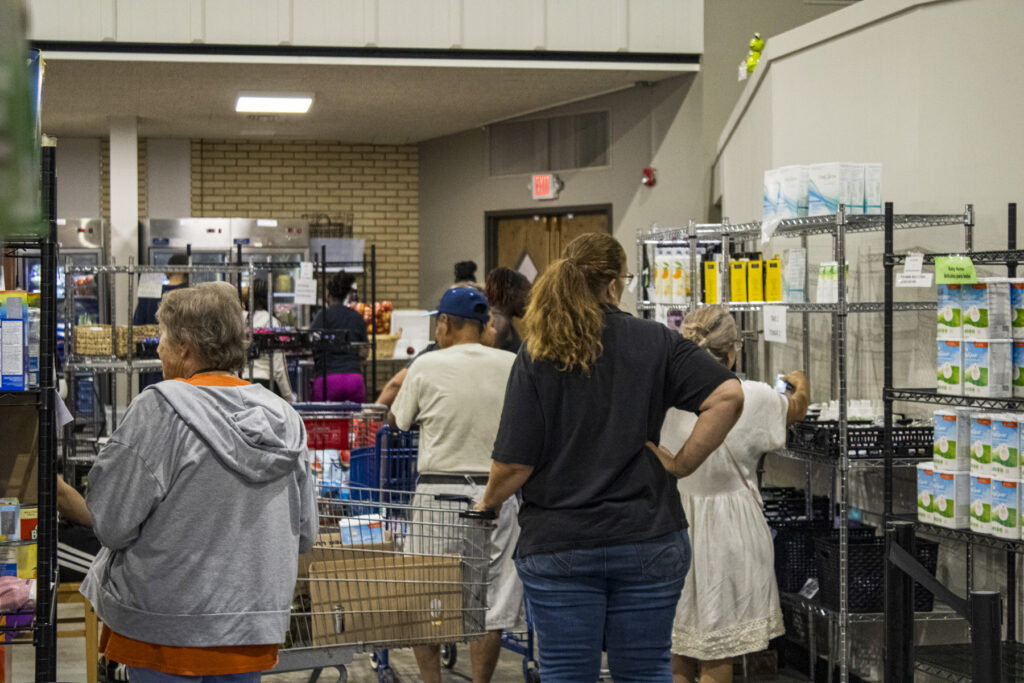
The Growing Strain on Food Pantries Amid SNAP Cuts and Rising Costs
As food prices escalate, food pantries across the United States are facing increasing pressure to adapt. The Ritenour Co-Care Food Pantry, situated near St. Louis, has altered its offerings from ground beef and chicken legs to more affordable options like ground chicken and hot dogs. Executive Director Angela Gabel expressed concerns over the changing landscape of food assistance, noting, “I’m absolutely terrified,” as the pantry grapples with rising demand and dwindling resources.
The financial burden on the Ritenour Co-Care Food Pantry has intensified. In the past year alone, the pantry allocated $120,000 for food and has projected a budget of $180,000 for the current year. However, this may prove inadequate as new challenges emerge, highlighted by the recent sign-up of seven new families in just one day, with expectations that 15 more families would join soon after.
Loss of SNAP Benefits and Its Impact
Compounding the issue is a significant reduction in the Supplemental Nutrition Assistance Program (SNAP) benefits, which has seen over 4 million Americans losing access to support between February 2025 and February 2026. This shift follows the enactment of the One Big Beautiful Bill Act, signed by President Donald Trump, which imposes stricter conditions for benefit eligibility and threatens to increase food insecurity across various states. States are now notifying SNAP recipients of new work requirements, which may lead to additional losses in food assistance, particularly among vulnerable populations.
With the average SNAP benefit estimated at $188 monthly, families are increasingly turning to alternative means for sustenance. Gina Plata-Nino, the SNAP director at the Food Research & Action Center, pointed out that significant groups such as children, older adults, and disabled individuals heavily depend on the program, underscoring the urgency of reversing recent cuts as negotiations surround the federal farm bill, which contains provisions related to SNAP.
Local Initiatives Amidst State and Federal Challenges
At a personal level, many families like the Gibbons from West Virginia are adjusting their grocery purchases in response to reduced SNAP benefits. Raine Gibbons, managing a Family Support Center, reported her family's reliance on staples like pasta as financial constraints tighten. California is attempting to address this gap; Democratic Assemblymember Alex Lee has proposed improving a state initiative that doubles SNAP purchasing power for fresh produce, benefiting low-income families.
Research indicates that the implications of reduced food assistance are profound. In California, nearly a third of families with young children experienced food insecurity between July 2024 and January 2026, according to data from Stanford University. Abigail Stewart-Kahn from Stanford's Center on Early Childhood warned that ongoing stress due to unmet nutritional needs could affect children's development, ultimately posing broader future challenges for society.
In response to these ongoing issues, organizations like Restoring Dignity, based in Omaha, are stepping in to provide essential assistance. Their new initiative aims to support refugees who have lost access to SNAP benefits by distributing gift cards to vulnerable families, thereby helping them purchase food and regain some stability in their lives.