

Report Shows Foodborne Illness Rise Linked to Trump’s Policies

Link Between Decreased Food Safety Enforcement and Surge in Foodborne Illnesses
A recently released report from Defend America Action has drawn attention to the potential correlation between the reduction of food safety oversight during the Trump administration and a notable rise in foodborne illnesses across the United States.
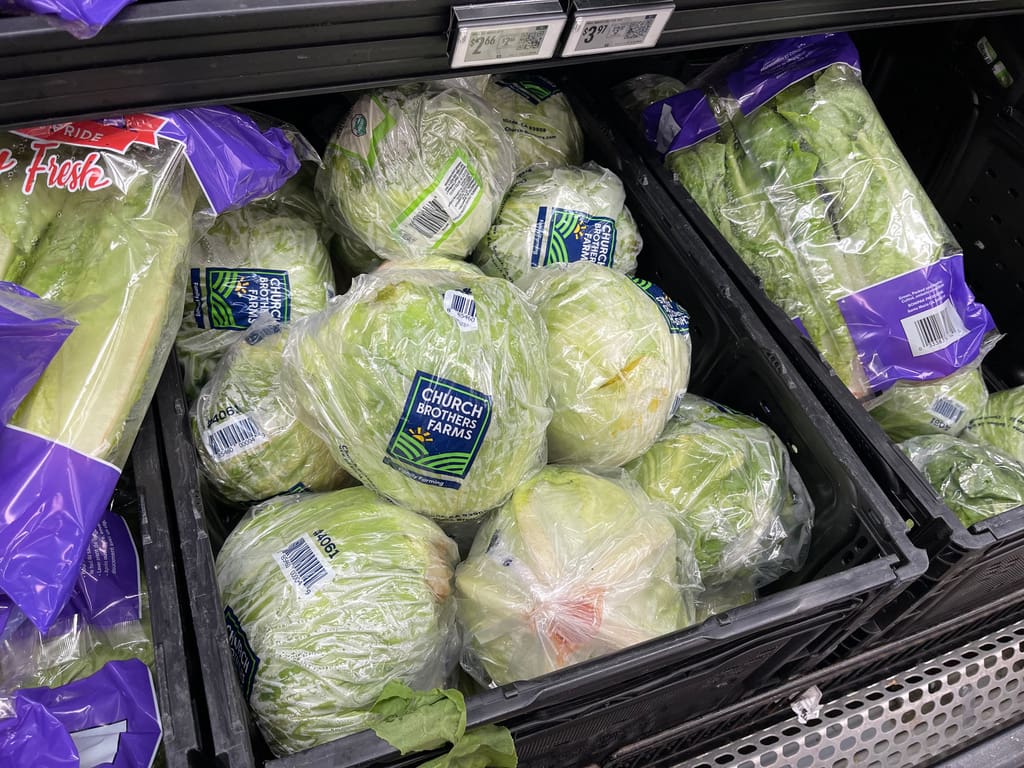
In recent months, the U.S. has witnessed over 15,000 incidents of cyclosporiasis, primarily linked to iceberg lettuce. Additionally, there was a recall of multiple guacamole products in August for possible salmonella contamination, highlighting ongoing food safety concerns.
This upward trend in foodborne illnesses has been particularly evident throughout Trump's second term. Last year alone, a listeria outbreak related to ready-to-eat pasta led to 25 hospitalizations and six deaths, with the government's response under scrutiny as it failed to trace the origins of 13 out of 28 foodborne illness outbreaks reported.
The report articulates the public's growing unease, stating, “As families spent this summer wondering what was safe to put on the dinner table, everyone is wondering what happened to the safeguards designed to protect our food supply.”
The oversight of food safety in the U.S. is primarily the responsibility of three federal agencies: the Food and Drug Administration (FDA), the Centers for Disease Control and Prevention (CDC), and the U.S. Department of Agriculture (USDA). However, significant workforce reductions were made under the DOGE initiative, impacting these agencies heavily. The FDA saw a decrease of 3,859 employees, while the USDA's workforce was reduced by 19,984, including 874 positions from the Food Safety and Inspection Service.
Despite claims from the White House that food safety inspectors were not affected by layoffs, the cuts to support staff have resulted in a backlog of inspections. Alarmingly, the farm linked to the recent cyclosporiasis outbreak had not undergone an inspection in seven years.
Moreover, the CDC has curtailed its monitoring efforts, focusing on only two foodborne pathogens instead of the six it previously tracked, omitting critical pathogens such as cyclosporiasis and listeria. A report emphasized that “FDA inspections are the first line of defense for mitigating contamination outbreaks,” underscoring their necessity for both domestically produced and imported foods.
The economic ramifications are profound, with USDA estimating the annual costs of foodborne illnesses at around $75 billion. This figure accounts for healthcare expenses, lost productivity, and premature deaths, and is expected to rise as safety measures diminish.
Public sentiment regarding food safety has shifted, with a CBS poll indicating that 40% of Americans are purchasing less produce due to safety concerns. Furthermore, surveys reveal low confidence levels in the government's ability to manage food safety effectively.
The report concludes, “Even though Trump and his allies promised to ‘Make America Healthy Again,’ his administration has made it harder to find out what is making Americans sick.”