

Mail Voting Faces Legal Battles and Postal Service Challenges

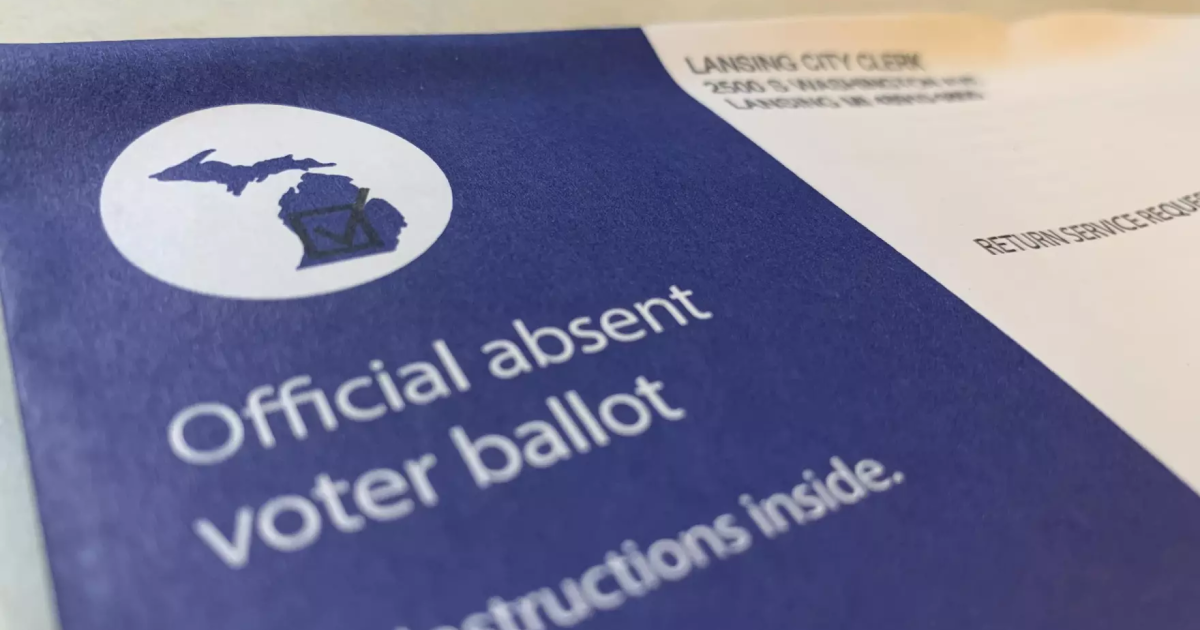
As mail voting kicks off for the midterm elections, voters are navigating a landscape fraught with legal disputes and uncertainties surrounding the capabilities of the Postal Service. Former President Donald Trump’s move to restrict mail voting has amplified concerns over the integrity and efficiency of this election method, particularly as many voters across the country rely on it.
North Carolina has taken the lead by distributing mail ballots ahead of elections that could reshape congressional power during Trump's administration. Despite ongoing legal challenges, election officials assert their readiness to manage mail-in ballots while maintaining the security of the election process.
“We believe that we are well positioned,” stated Sam Hayes, executive director of the State Board of Elections, during a recent briefing. This confidence comes amid Trump's ongoing criticism of mail voting, which he wrongly claims contributed to his defeat in the 2020 election, even as he availed himself of mail-in voting in that same election cycle.
Addressing Voter Concerns Amidst Conflicting Information
The recent executive order and subsequent legal entanglements have left many voters confused about their voting options. Michael Dickerson, director of the Mecklenburg County Board of Elections, recognized this challenge, explaining that many people are asking, “What does this mean? What are you guys doing? Can I not vote by mail anymore?” He reassured voters that the mail voting process remains safe and secure.
As election workers in North Carolina finalize the distribution of mail ballots, they are diligently processing absentee requests and ensuring ballot accuracy. “I guarantee you” that votes, especially from military and overseas voters, will be timely, Dickerson affirmed.
North Carolina’s Firm Stance Against Last-Minute Changes
State officials in North Carolina, including Attorney General Jeff Jackson, oppose Trump’s attempts to implement new mail voting restrictions, asserting that there is insufficient time to make significant changes before the elections. Hayes reiterated the state's preparedness for high voter turnout, noting that while they are complying with some aspects of the executive order—such as USPS envelope approvals—they are withholding voter information pending legal clarity.
Postmaster General David Steiner has also assured voters of the Postal Service’s commitment to handling election mail securely, amid ongoing concerns regarding the efficiency and reliability of mail delivery.
Challenges Linked to Postal Service Adjustments
Concerns extend beyond North Carolina. Across the country, election officials have reported an uptick in mail ballot rejections, which they attribute to modifications within the Postal Service’s mail processing systems that could result in delayed postmarking. During California’s June primary, a considerable number of mail-in ballots were rejected for being postmarked after the deadline, a trend similarly observed in Washington state.
The Postal Service has stated that while the general practices around postmarking remain in place, operational adjustments may inadvertently impact the timing of postmarks.
Ongoing Preparations for Elections Nationwide
As other states prepare for their mail ballot processes, Alabama and Michigan are set to begin shortly. By mid-September, all states are mandated to mail ballots to military and overseas voters. David Becker, of the Center for Election Innovation and Research, raised alarms about implementing significant election adjustments so close to the election date, emphasizing that the timely mailing of ballots underscores this concern. Wisconsin’s Election Commission Chair Don Millis echoed these sentiments, cautioning against the chaos that could ensue if Trump’s executive order is enforced, noting that local clerks are already sending out mail ballots earlier than usual.