

Political Leaders Call for Unity After Political Violence Shakes Democracy
- Better American Media

- Sep 16, 2025
- 2 min read
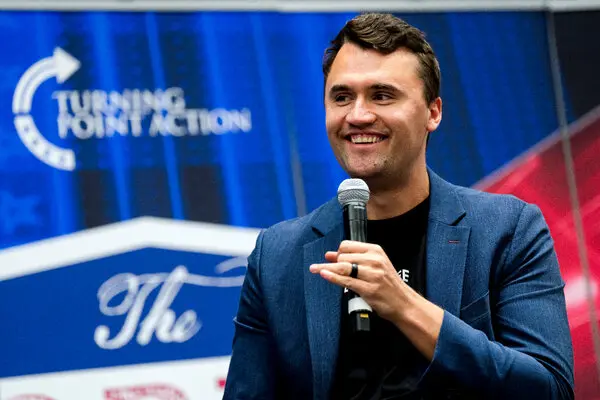
The recent killing of conservative activist Charlie Kirk has reignited discussions on the impact of political violence in America, prompting leaders from various political backgrounds to issue urgent calls for unity and civility. As tensions rise, prominent figures are warning that the core principles of democracy are in jeopardy if hostility continues to escalate.
Political Leaders Urge a Return to Civility
Former President George W. Bush characterized the fatal attack as an affront to the constructive exchange of ideas essential in a democratic society. He emphasized that opposing political views should not be seen as adversarial, stating, “Members of other political parties are not our enemies; they are our fellow citizens.” Bush’s remarks are part of a broader message advocating for the removal of violence from political discourse.
Governor of Maryland, Wes Moore, reinforced the sentiment, declaring, “Political violence is unacceptable. We will not tolerate it, not now, not ever.” Moore asserted that the future of democracy hinges on the ability to handle disagreements through peaceful means rather than resorting to violence.
Rhetoric's Role in Political Violence
Concerns about the potential repercussions of incendiary language were highlighted by Senator Markwayne Mullin, who called on political leaders to exercise care in their speech. “We’ve all heard the saying, ‘Sticks and stones may break my bones, but words will never hurt me.’ That’s not accurate. We know that’s not true,” he noted, underlining the influence words can have in escalating tensions.
Criticism was directed toward those who attempt to exploit such tragedies for political gain, with Senator Thom Tillis condemning commentators who use crises to deepen partisan divides, describing their actions as “cheap, disgusting, awful.”
Bipartisan Consensus on the Need for Change
Democratic leaders, too, have spoken out forcefully against the trend of rising violence in politics. Governor Josh Shapiro of Pennsylvania indicated that the attack reflects a “growing type of unconscionable violence” that must be challenged at all levels of society. The Chair of the Democratic National Committee, Ken Martin, called upon all political leaders to denounce such violence and to foster unity rather than division.
The widespread response from political figures illustrates a shared recognition of the vulnerabilities facing U.S. democratic traditions. For over two centuries, America has relied on the ability to settle disagreements peacefully, which is now threatened by an increasing acceptance of violence as a means of resolving political conflicts.
Divided Voices Amidst Calls for Unity
The aftermath of Kirk's death presents a significant moment, with many leaders focusing on healing and cooperation. However, former President Donald Trump and certain allies appear to diverge from the prevailing bipartisan calls for reduced hostility. This divergence underscores the ongoing challenge of achieving a unified front in the face of national tragedy.
The bipartisan consensus serves as a crucial reminder that the survival of democracy relies on a commitment to civility and the rejection of violence, with leaders affirming the importance of protecting the nation’s democratic foundations.