

NPR Challenges Trump Administration's Executive Order on Funding

NPR and Colorado Partners File Suit Against Trump's Funding Restrictions
NPR has launched a legal challenge against the Trump administration, supported by three public radio stations from Colorado. The suit, filed in a federal court situated in the District of Columbia, contests an executive order that halts the distribution of Congressionally approved funding to NPR and PBS, claiming it undermines First Amendment rights.
The lawsuit asserts, "It is not always obvious when the government has acted with a retaliatory purpose in violation of the First Amendment. 'But this wolf comes as a wolf,'" referencing the words of the late U.S. Supreme Court Justice Antonin Scalia.
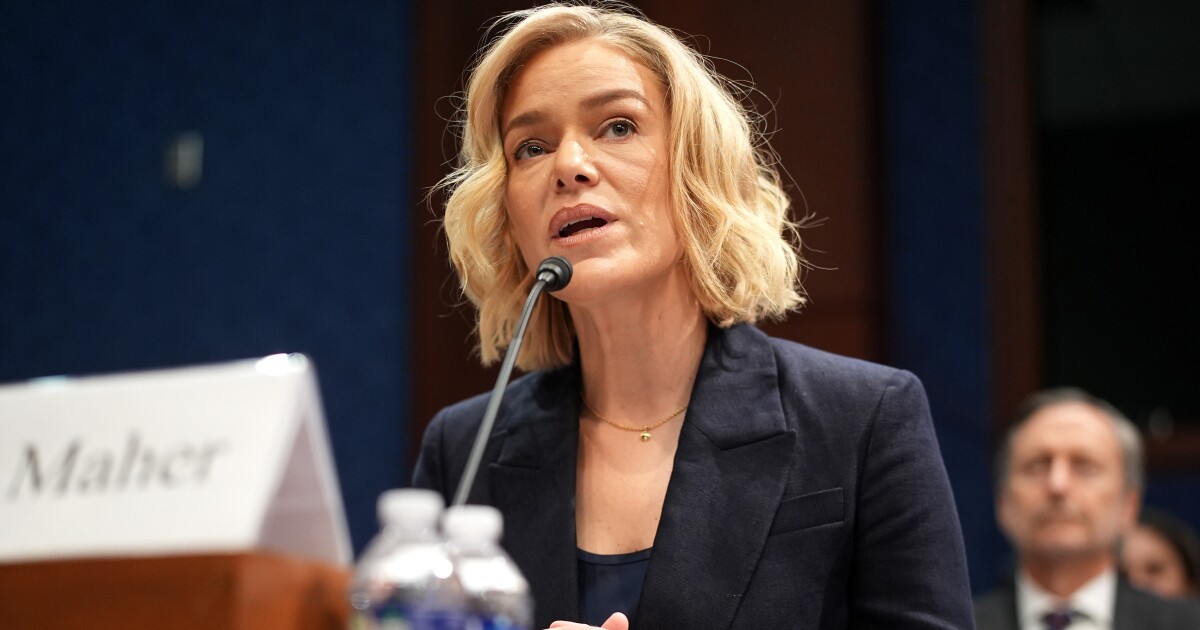
High-profile officials, including President Trump and key figures from his administration such as budget director Russell Vought and Treasury Secretary Scott Bessent, are named in the complaint. NPR President Katherine Maher expressed her disapproval of the executive order, arguing that it violates constitutional guarantees pertaining to free speech and freedom of the press.
The May 1st executive order instructs the Corporation for Public Broadcasting (CPB) to stop funding NPR and PBS, citing alleged bias in their reporting. Trump pointed to specific instances, including NPR's perceived lack of coverage on the Hunter Biden laptop controversy, detailed in a White House fact sheet.
The public radio stations involved in the lawsuit—Colorado Public Radio, Aspen Public Radio, and KSUT—are highlighting the serious implications of the executive order for public broadcasting services that serve millions of listeners.
Although PBS has opted not to join this lawsuit, it is considering its own potential legal responses. The executive order's legality is being scrutinized, particularly concerning Congress’s involvement in CPB funding decisions. CPB, which oversees the distribution of over half a billion dollars annually to public radio and television, has opposed the order, with CEO Patricia Harrison stating that the organization operates independently of federal government direction as mandated by law.
This lawsuit reflects a wider tension between the Trump administration and public broadcasting entities, with past instances of the president taking legal action against major networks like ABC and CBS over claims of bias. Despite Trump's funding restrictions, Congress successfully passed a temporary budget that secures CPB's funding through September 2027, highlighting the ongoing legal and political battles between public broadcasters and the administration.