

Michigan Proposes New Tax on Wealthy to Fund Essential Services
- Better American Media

- Jul 15
- 2 min read
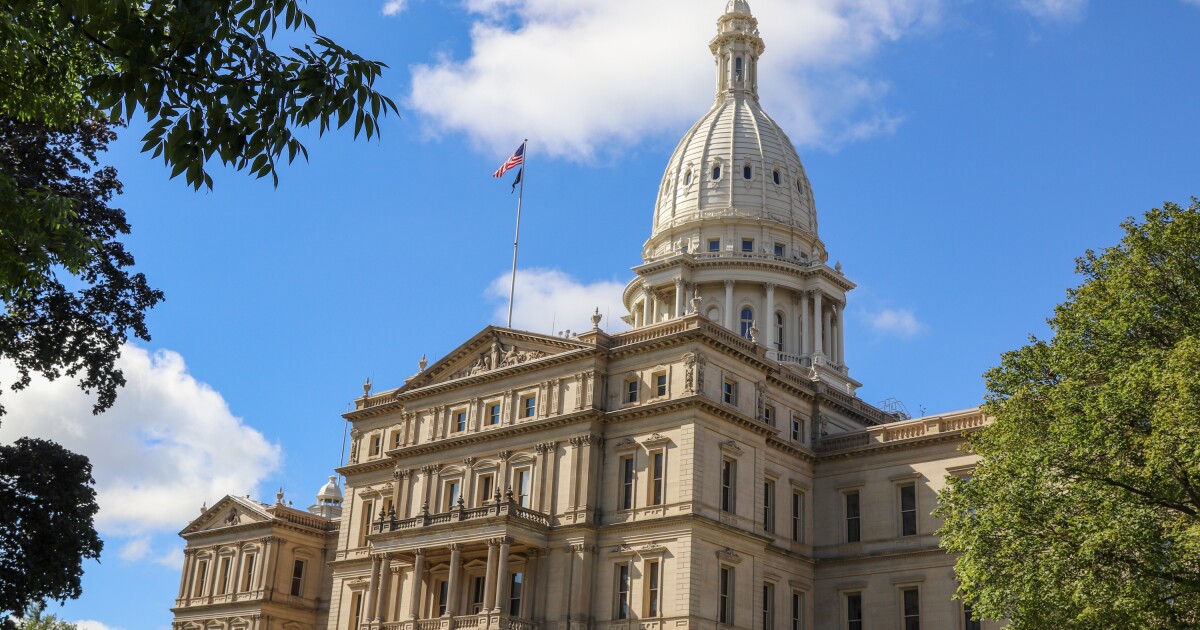
Michigan's Taxation Debate: Proposed Surcharge for High Earners
In a move that could reshape the financial landscape of the state, Michigan lawmakers are discussing a tax hike targeting the highest earners. This new initiative aims to enhance funding for critical public services by asking the wealthiest citizens to contribute more.
The legislation under consideration proposes a new surcharge of 5% on incomes surpassing $500,000 for individual tax filers and $1 million for those married filing jointly. The tax would only apply to earnings above these specified amounts. The revenues generated from this initiative are intended for vital sectors such as education, health services, housing, and water infrastructure.
State Senator Stephanie Chang (D-Detroit) has been a vocal supporter of the proposed tax increase, highlighting the necessity of diversifying revenue sources as Michigan grapples with economic challenges. “I think it’s important that, as lawmakers, we keep talking about those priorities and also talk about how, if we make the wealthy pay their fair share, we can create another revenue source that can help generate over a billion dollars,” Chang remarked.
Despite the potential benefits, the proposal faces opposition. Critics have raised alarms that the new tax structure could negatively impact small business owners, particularly those who report their business income through personal tax returns, thus facing an increased tax liability. Senator Chang has acknowledged these concerns and expressed a willingness to further discuss the implications of the proposal on small businesses.
This current tax initiative follows the failed Invest in MI Kids ballot measure, which sought to implement a similar approach but did not secure sufficient support for a vote. Unlike its predecessor, the proposed resolution is not confined strictly to educational funding and seeks to introduce a "surcharge" that would create a new structure in Michigan’s tax system, which traditionally bans graduated taxes.
To place this measure on the November ballot, it will need supermajority backing from both chambers of the Michigan legislature. The current political environment poses challenges, as Democrats control the Senate while Republicans hold the House, making bipartisan support essential yet uncertain.