

Michigan Governor Candidates Clash Over Education Funding Strategies
- Better American Media

- Feb 8
- 2 min read
Candidates for Michigan Governorship Discuss Future of Education
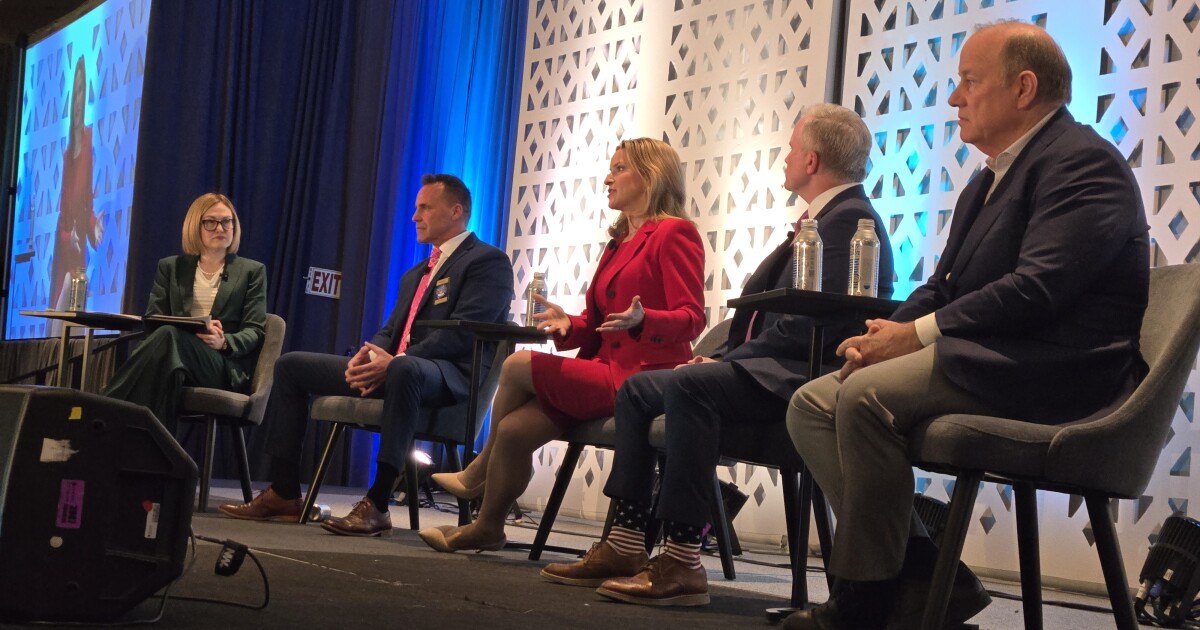
During a recent forum organized by the Michigan Education Association in Detroit, candidates competing for the role of governor presented their educational strategies, highlighting a mix of agreement and contrasting views. This gathering included two Democrats, a Republican, and an Independent, each advocating for reform in Michigan's educational landscape.
A central theme among the candidates was the urgent need to enhance support for educators, emphasizing the importance of increasing the number of school counselors and support staff. However, debates erupted regarding how best to fund these educational improvements and how to allocate resources effectively throughout the state's schools.
Democratic candidate Jocelyn Benson, who currently serves as Secretary of State, challenged the existing per-student funding framework, pushing for an approach that better accommodates varied community needs. Benson articulated, “Different needs meet different communities. And, as I’ve talked to educators around the state, the number one thing that keeps coming up is just that, that an X amount of money for a student in Muskegon is not going to be the same as X amount of money or the same amount of money for a student in Iron River. The needs are different. The cost model needs to be different.” Under the current model, Michigan allocates a base funding of $10,050 per student, supplemented by additional grants aimed at supporting at-risk students and resources for mental health and safety.
In divergence from Benson’s stance, Democratic Sheriff Chris Swanson from Genesee County posited against reallocating funds intended for K-12 education. He proposed creating a two-year education budget that would secure financial resources for school districts, advocating for direct investments in teachers to elevate educational outcomes.
Meanwhile, Independent candidate Mike Duggan, the former mayor of Detroit, suggested reassessing the past alterations in the educational funding framework, arguing that frequent policy changes contribute to an unstable educational environment. He pointed to inconsistent grading systems and curriculum updates as factors undermining educational consistency.
On the other hand, Republican candidate Mike Cox, a former Attorney General, expressed hesitancy about increasing overall funding for the educational sector, citing improvements in Mississippi’s reading scores achieved without additional financial input. Cox stated, “If money solved everything, we’d be number one in the country, but it doesn’t. I’m all for, I’m not going to reduce one dollar that goes to the School Aid Fund. But we want accountability. Parents, grandparents, and taxpayers should get accountability.” Additionally, he opposed the idea of providing free meals to all students, advocating instead for means-tested access to such programs.
This forum served not only as a platform for candidates to voice their educational priorities but also highlighted the varying perspectives that will shape the electoral debates in the pursuit of the governorship in Michigan.