

Lavish Spending During Shutdown: Federal Workers Struggle While Riches Flow

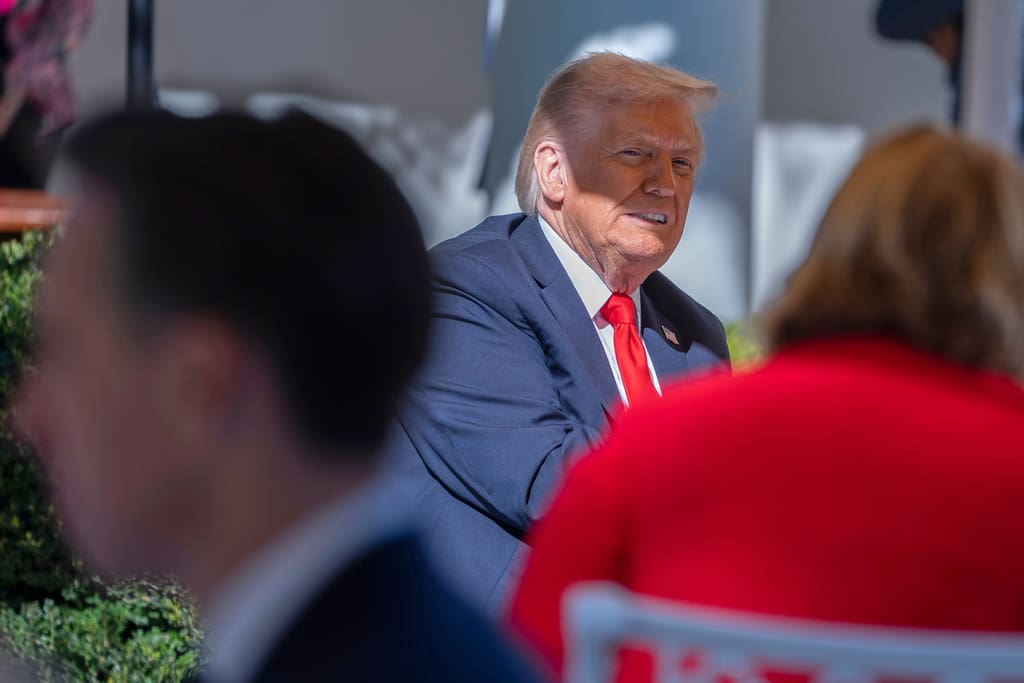
Federal Workers Face Financial Strain Amid Government Shutdown and High Expenditures
The ongoing government shutdown has shifted attention to the financial pressures faced by approximately 1.4 million federal employees who are currently receiving no pay. Many workers have found themselves seeking alternative income sources as they navigate this challenging period, even as government spending continues on controversial projects.
For instance, Daniel Scharpenburg, an IRS employee, voiced his distress during a discussion in Kansas, stating, “I’m driving Uber at night so I can feed my 15-year-old son.” His comment underscores the difficulties faced by federal employees looking to support their families amidst financial uncertainty.
Amidst these challenges, renovations at the White House have resumed, with plans to demolish sections of the historic building in order to construct a new rococo ballroom. This project, which is projected to cost $200 million, has been criticized for its timing, especially as employees go unpaid. President Trump has emphasized that the addition would not compromise the integrity of the existing structure.
The funding for the ballroom is reportedly coming from Trump himself and several corporate donors such as R.J. Reynolds and Lockheed Martin. These contributions qualify for tax deductions since the White House is classified as a national monument. Democratic Representative Pramila Jayapal (D-WA) expressed her concerns about prioritizing such renovations in a shutdown context, stating on X, “We are 20 days into the Republican Shutdown. Health care costs are skyrocketing and federal workers aren’t getting paid. What is Trump doing? Building his gold plated ballroom.”
Questionable Government Spending During Economic Hardship
In addition to White House projects, recent reports indicate that the Coast Guard has made a significant purchase of two Gulfstream private jets for Homeland Security Secretary Kristi Noem, with total costs amounting to $172 million. This price tag is substantially higher than the initial estimate of $50 million, raising questions about the source of funding.
Noem has come under scrutiny for utilizing government aircraft for personal travel and living at the Coast Guard commandant’s residence without paying rent, citing safety as the reason for her accommodations. Congressional Democrats have raised their concerns, asserting in a letter, “We are deeply concerned about your judgment, leadership priorities, and responsibility as a steward of taxpayer dollars,” as they seek more information regarding the jet purchases.
Moreover, the Department of Homeland Security has allocated $51 million for advertising campaigns that highlight Trump's immigration policies and endorse ICE’s deportation strategies. Alongside these expenses, the U.S. government has also agreed to provide $20 billion in financial aid to Argentina through a currency exchange program.
The context of these decisions is significant, as many families across the country are facing rising living costs. Healthcare expenses, in particular, are set to increase with the impending expiration of tax credits that help 22 million Americans manage their premiums. For instance, in Georgia, healthcare premiums could potentially quadruple if these credits are not extended. In response, Democrats have made the continuation of these subsidies a crucial point in discussions to resolve the ongoing government shutdown.