

House Bill Proposes Delisting Mexican Gray Wolves Amid Controversy
- Better American Media

- Feb 4
- 2 min read
Controversial Move to Delist Mexican Gray Wolves Gains Momentum
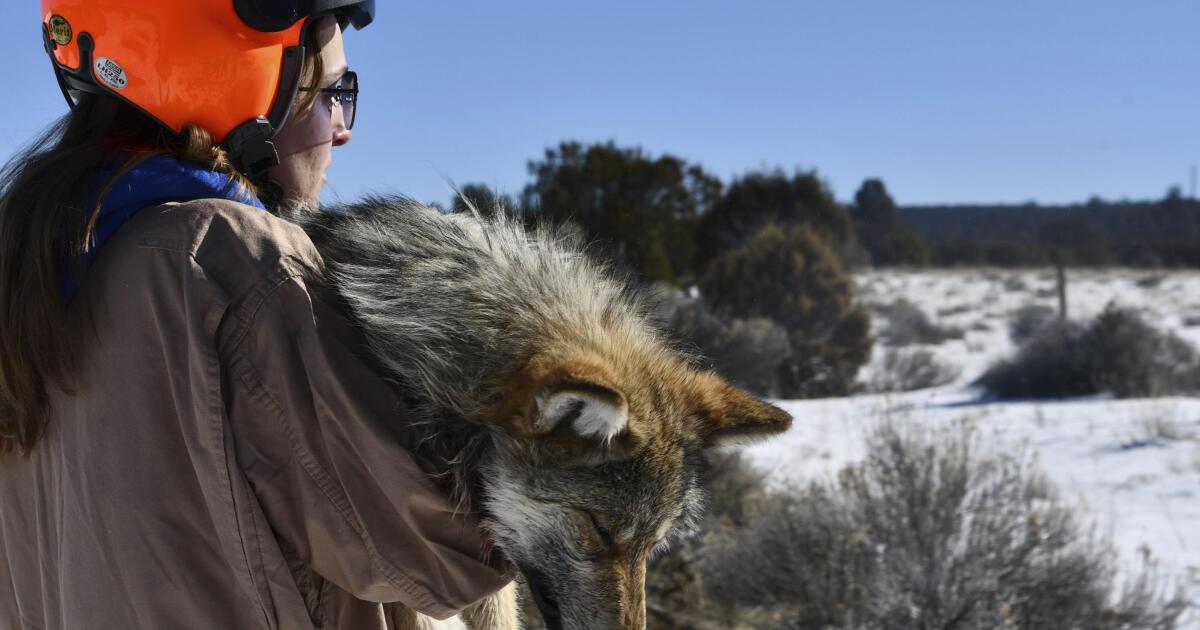
The future of the Mexican gray wolf hangs in the balance as the House Committee on Natural Resources advances a bill that seeks to remove the species from the Endangered Species List. Supporters claim the population has rebounded sufficiently since its near extinction, while critics argue that this change could jeopardize ongoing conservation efforts.
Representative Paul Gosar, who is leading the charge for this legislation, insists that the measure aims to protect livestock and rural economies from the challenges posed by the wolf population. He stated, “Since being reintroduced to the wild in Arizona, Mexican wolves have preyed on cattle, livestock, and even family pets, causing significant financial losses and economic hardship on family-run ranches,” as noted in his recent newsletter.
Estimates suggest that there are now at least 286 Mexican gray wolves in the wild, a notable recovery since their reintroduction in 1998. However, Gosar was unavailable for further comment concerning the implications of the bill during a recent interview.
The legislative proposal has drawn significant backlash from environmental advocates, with around seventy organizations urging lawmakers to oppose the bill. Sandy Bahr, the director of the Sierra Club’s Grand Canyon Chapter, expressed concern over the decision, stating, “Representative Gosar doesn’t seem to understand that these animals are still endangered, they are not recovered, and that they belong, they belong here in Arizona and New Mexico, in the Southwest.”
Bahr further pointed out the critical issue of genetic diversity within the population, as the current wild wolves descend from just six individuals captured in the 1970s. “The numbers are moving in the right direction, but again, there are the genetic issues that have to be addressed,” she remarked, emphasizing ongoing challenges faced by the species.
In addition to federal efforts, a state-level initiative in Arizona aims to curtail the Arizona Game and Fish Department's role in releasing wolf pups into wild dens—a conservation practice known as cross-fostering, which is essential for enhancing genetic diversity.
Despite a sustained increase in population over the past nine years, conservationists remain wary. They caution that failure to address the existing genetic bottlenecks could hinder the long-term recovery of Mexican gray wolves.