

For Missoula Families, Gas and Groceries Are Getting Harder to Afford

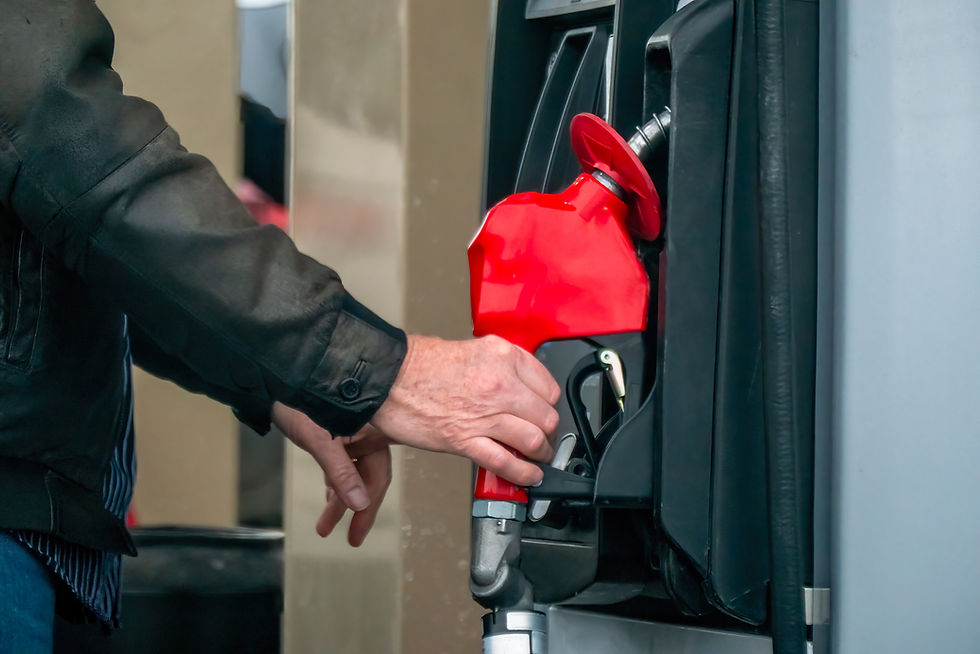
Missoula hit $4.25 a gallon in late July, and Montana ranked among the most expensive states for gas in the country at the height of the spike. For a landlocked state with oil infrastructure nearby, that's not where anyone expected to land. But when the Iran war pushed crude past $100 a barrel, it didn't matter where you lived — oil prices move globally, and Missoula moved with them.
For a lot of people here, $4.25 a gallon isn't just an inconvenience — it's a real budget problem. Missoula runs on its service economy: restaurants, hotels, retail, healthcare support. These are jobs that pay $15 to $20 an hour and don't come with a work-from-home option. Most workers need a car to get there, and that car now costs noticeably more to run than it did a few months ago.
The grocery store tells the same story. At Albertsons and Walmart in Missoula, ground beef runs $6.90 a pound, milk $3.68 a gallon, eggs $3.93 a dozen. Missoula is a long way from anywhere, and everything on those shelves got here on a truck running on expensive diesel. The 25% tariffs on imports from Mexico and Canada pushed produce prices up further, and Federal Reserve researchers confirmed that retailers pass those costs straight to consumers. For a service worker in Missoula, the gas bill and the grocery bill are both coming out of the same paycheck — and neither one is getting smaller.
Analysts have been clear that the lower prices aren't coming back soon, even if the conflict winds down. The disruption to global supply chains won’t bounce back quickly, and family budgets across Montana and the US will feel that for months to come.