

Employers Brace for Historic Health Benefit Cost Hike This Year
- Better American Media

- Sep 12, 2025
- 2 min read
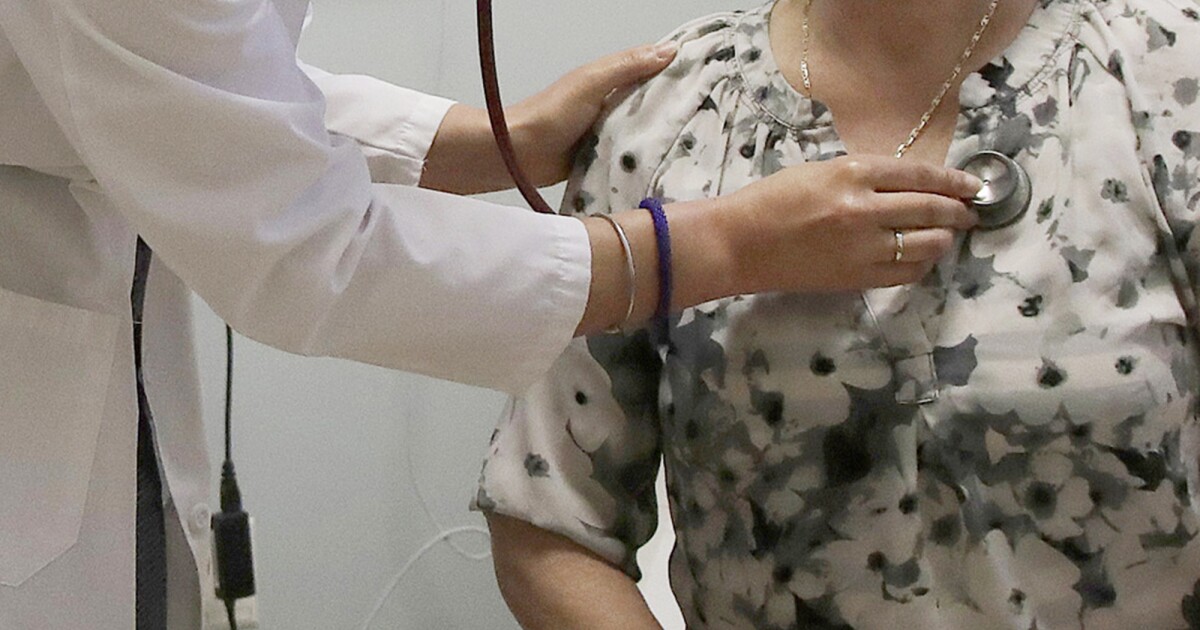
The landscape of employer-sponsored health insurance in the United States is undergoing a significant shift, with costs expected to rise sharply in the coming year. This escalation impacts millions of workers who rely on such insurance for their health care needs, potentially leading to increased payroll deductions.
According to a recent survey by Mercer, nearly 154 million individuals could see their contributions to health insurance rise by an average of 6% to 7%. This increase is attributed to a nearly 9% hike in the costs borne by employers for health coverage—the most significant rise in 15 years.
To manage these mounting costs, 59% of employers have indicated plans to introduce "cost-cutting changes," which may include raising deductibles and copayments, thereby shifting more expenses to employees. Larry Levitt of the nonprofit KFF described this scenario as "a perfect storm," warning that the burden of these increasing costs is likely to affect workers directly.
These rising health care costs come at a time when the economy continues to face challenges, partly as a result of lingering inflationary pressures post-pandemic. Despite a period of reduced inflation, prices have started to increase again, connected in part to prior tariffs imposed by the previous administration.
Understanding the Influences on Health Insurance Costs
This situation underlines a crucial reality for Americans under 65: health insurance costs predominantly hinge on employer decisions, which are, in turn, swayed by major players in the health care sector, including pharmaceutical companies and hospitals. Levitt emphasized the insidious nature of these changes, noting that while insurance premiums are deducted from paychecks, workers may not readily recognize the decline in their take-home pay.
Interestingly, some of the cost drivers are tied to advancements in healthcare, such as innovative cancer treatments and weight-loss medications, which enhance health outcomes yet come with elevated costs. Additionally, a resurgence in demand for non-emergency medical services has further propelled expenses.
The consolidation trend among hospitals, insurers, and other healthcare providers has limited competition, facilitating price increases. Sunit Patel, Mercer’s chief actuary, remarked, “What’s missing in health care is: It’s not a traditional free market. You don’t have those competitive forces,” highlighting a structural issue in the sector.
Historically, health care expenses remain a focal concern for employers. The previous year saw an average spend of over $19,000 for family coverage per employee, with employees contributing roughly $6,000, according to KFF. The total premium of $25,572 marks a 52% increase over the last decade.
As the competitive job market persists, employers have historically sought to absorb rising costs to maintain talent. However, as Beth Umland from Mercer noted, “I think just something had to give,” indicating the pressure for cost management must shift to employees.
While employees have the opportunity to negotiate salary increases, their influence over health care costs set by employers remains minimal. Levitt concisely captured