

Debate on Arizona's Prop. 320: School Funding and Teacher Salaries

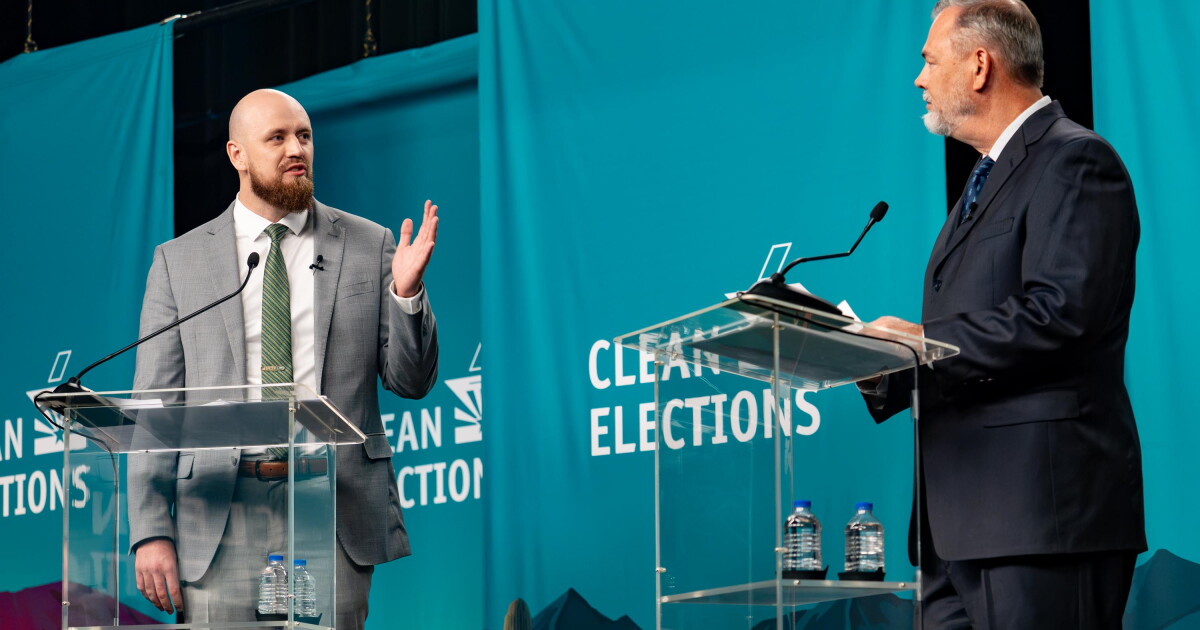
In Arizona, a significant discussion is unfolding surrounding Proposition 320, which aims to reshape the state's approach to educational funding and teacher compensation. Advocates, including the Goldwater Institute, believe that the proposition will enhance teacher salaries, while detractors raise concerns about potential negative impacts on essential educational services.
Details of Proposition 320
Chris Thomas from the Goldwater Institute recently illuminated the specifics of Proposition 320, which would require schools to direct at least 60% of their funding towards "direct educational expenses." This includes costs associated with salaries for teachers and aides, instructional materials, and extracurricular programs. Current practices show that Arizona schools allocate merely 52.1% of their budgets to these expenses, marking the lowest allocation reported in the last twenty years according to data from the Auditor General's Office.
Implications for State Aid
Thomas pointed out that school districts failing to meet this 60% allocation requirement could see reductions in state aid, thereby pushing them to favor educational expenditures over other expenditures. However, Jimmy Arwood from Arizonans for Quality Education expressed concerns about the potential neglect of crucial services like speech pathology, counseling, and transportation, which play a vital role in student success. He remarked, “If that bus isn’t picking them up, those kids aren’t going to school,” highlighting the importance of these support systems.
Current Funding Comparisons
Arwood also noted that educational funding in Arizona is significantly below the national average, with the state spending $11,987 per student as compared to the national average of $17,873, as reported by the National Education Association. The proposed measure would introduce penalties for districts not achieving the required 60% threshold, but Thomas added that exceptions would apply to districts making incremental progress towards compliance, such as Glendale Union High School District and Tucson Unified School District, which will receive extended timelines.
Focus Areas of Proposition 320
While Proposition 320 primarily targets larger districts in the counties of Pima, Pinal, and Maricopa, it also encompasses smaller districts within these areas. Thomas suggested that the inclusion of smaller districts may be linked to perceived opportunities for cost savings in urban settings.
Balancing Education Quality and Support
Advocating for a focus on classroom instruction, Thomas stated, “The most important thing is to have a quality teacher in a classroom.” Conversely, Arwood reinforced the necessity of comprehensive educational support and the inclusion of special education services and related professionals in discussions about enhancing education in Arizona.
The ongoing debate about Proposition 320 exemplifies the complex dynamics at play in Arizona's educational system, with various stakeholders laying out their visions for the future of schooling and the welfare of students in the state.