

Congress Debates Animal Welfare Regulations in Farm Bill Discussion
- Better American Media

- Jun 10
- 2 min read
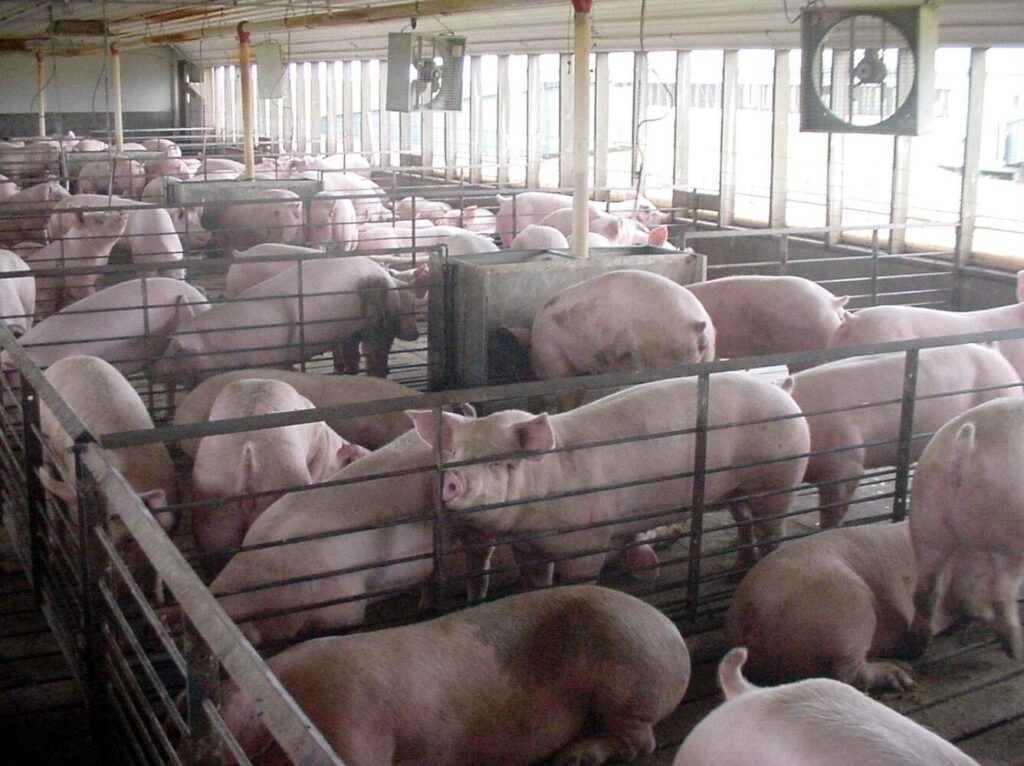
As Congress revisits the federal farm bill, a significant debate has emerged surrounding the future of state animal welfare laws. A key component of this discussion is the Save Our Bacon Act, which aims to limit states’ authority to establish their own livestock regulations, potentially undermining existing measures like California's Proposition 12, designed to enhance animal welfare standards.
Overview of Proposition 12
California's Proposition 12 enforces strict requirements regarding the treatment of farm animals, including the prohibition of gestation crates for hog sows, which are typically used in extreme confinement. Over 15 states have adopted similar bans on confinement methods for various farm animals. However, critics of Proposition 12 assert that the law unduly burdens producers by restricting the sale of non-compliant meats from out-of-state, making it a contentious issue among farmers and lawmakers alike.
Legislative Perspectives
Representative Ashley Hinson, a proponent of the Save Our Bacon Act, argues that the legislation serves to protect farmers from regulations imposed by individuals lacking an understanding of agricultural practices. Conversely, advocates for Proposition 12 point to an increasing consumer preference for higher animal welfare standards, claiming that farmers outside California can opt not to sell into the Californian market, thereby sidestepping the restrictions. California Assemblywoman Esmeralda Soria warns of risks to the state’s meat and egg production if Proposition 12 is repealed, emphasizing the law’s support among the electorate.
Bipartisan Debate and Implications
This proposed modification to the farm bill has garnered bipartisan support, although it narrowly passed in the House and now awaits Senate deliberation. The ongoing discussion encapsulates broader conflicts over the balance of state versus federal control in agricultural regulation.
Impact on State Regulations
While focus primarily rests on California, critics of the Save Our Bacon Act assert that its passage could disrupt over 600 state agricultural policies, from seafood labeling to pest control, as noted in a Harvard Law School analysis. This could potentially lead to a landscape of regulatory disarray if Congress decides to overturn existing state laws.
Defense of State Autonomy
Texas Agriculture Commissioner Sid Miller has spoken out in defense of California’s authority to govern its agricultural practices, despite his opposition to Proposition 12. He acknowledges the law's role in driving up prices for eggs and pork but underscores that the U.S. Constitution allows states to establish their own regulations. Miller also expresses concern for producers who might suffer financial losses due to federally imposed changes.
Varied Perspectives on Animal Welfare
Alicia Prygoski from the Animal Legal Defense Fund supports Proposition 12 as a rational approach to ensure humane treatment of animals. She suggests that differences in state regulations are not uncommon, similar to varied agricultural laws nationwide.
Trish Cook, a pig farmer from Iowa, stresses the importance of scientific guidance in her operations and advocates for Congressional intervention to prevent numerous state regulations from complicating the production process. She views the requirements imposed by California as arbitrary, arguing that they could restrict consumer access to pork.
On the other hand, some producers criticize conventional confinement methods, claiming they do not align with responsible animal husbandry. Alicia LaPorte from Niman Ranch promotes humane animal treatment, highlighting its economic viability and growing consumer support. She cautions that the introduction of federal legislation could hinder progress in humane farming initiatives and create instability in the industry.