

Arizona's Minimum Wage Rises to $15.65 in 2024 Amid Inflation Concerns

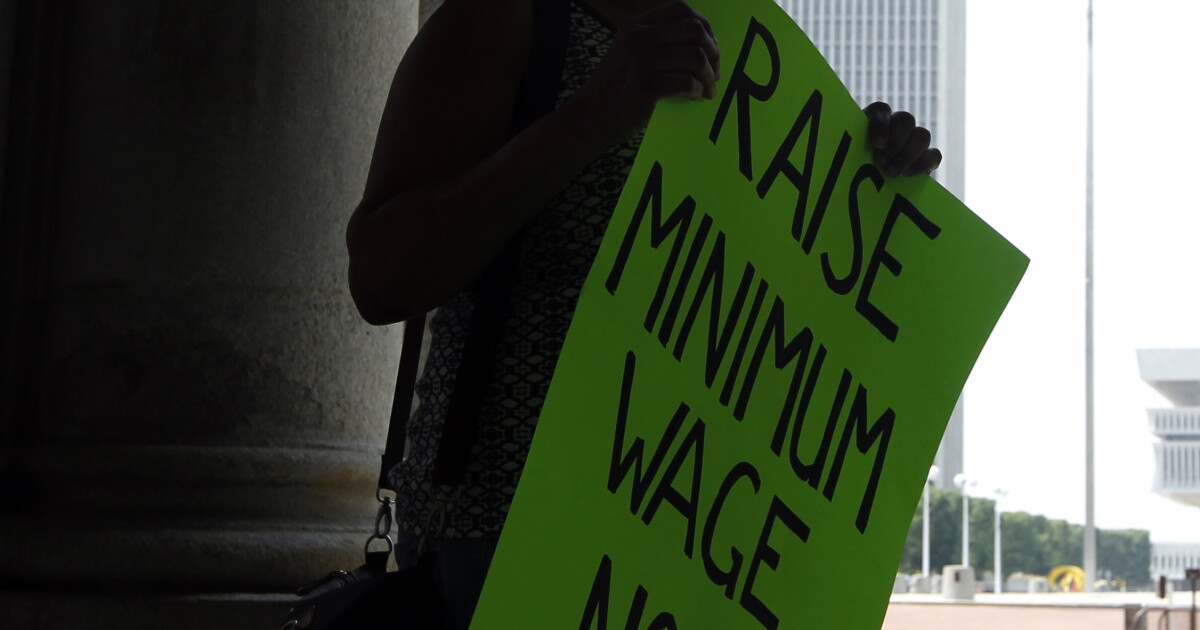
Arizona's Minimum Wage to Rise in Response to Inflation
Beginning January 2024, Arizona will experience an increase in its minimum wage, reflecting the ongoing concerns regarding inflation. The U.S. Bureau of Labor Statistics recorded a 0.4% uptick in consumer prices for August, resulting in an annual inflation rate of 3.4%.
This rise is in accordance with a law passed by voters in 2006 that mandates annual adjustments to the minimum wage based on the inflation rate measured in August. As a result, the current minimum wage of $15.15 will rise by 51.5 cents, rounding to $15.65.
Certain cities in Arizona, particularly Tucson and Flagstaff, will see more substantial increases, with Tucson's minimum wage reaching $16 and Flagstaff's climbing to $19, due to regulations requiring equal pay across all types of workers, including those who earn tips.
The adjustment is likely to have a wider impact than merely raising the low-end wage. Employers may find the need to revise their pay structures more generally to remain competitive in attracting and retaining talent.
“Every year, this is just one of several cost increases our employers are absorbing,” noted Danny Seiden, executive director of the Arizona Chamber of Commerce and Industry, highlighting the significant financial pressure businesses are facing.
Increases in living expenses are also a critical concern for workers. Notably, energy costs have surged by over 16% due to a 27.4% spike in gasoline prices. Essentials like housing, groceries, and medical care have similarly seen price increases.
Despite challenges, the tight labor market has prompted many employers to offer salaries that exceed the state minimum. Seiden acknowledged that employers are not questioning the necessity for fair wages, countering past arguments against the 2006 law.
Interestingly, while Arizona implements these inflation-based adjustments, the federal minimum wage has remained stagnant at $7.25 since 2009, which sets Arizona apart in its approach to wage standards.
Proposals to further increase the minimum wage have faced challenges. Steve Chucri, president of the Arizona Restaurant Association, acknowledged the difficulties posed by rising costs but remarked that the situation could be worse, referring to a previous inflation rate in 2022 that resulted in a $1.05 adjustment for 2023.
Looking to the future, Alejandra Gomez from Living United for Change in Arizona (LUCHA) advocates for additional increases, pointing to the ongoing affordability crisis in the state and has suggested a target wage of $20 as a viable “living wage.”
Governor Katie Hobbs has recognized the importance of engaging the public in a discussion about appropriate wage levels, asserting that “Arizonans deserve wages that actually match the cost of living.”
The legislative framework established in 2006 and 2016 links wage adjustments to the national Consumer Price Index. However, local data from Phoenix indicates a more modest 2.5% increase in living costs, which would have resulted in only a 40-cent increase had it been utilized for adjustments.