

ACA Marketplaces Face 5 Million Drop in Health Insurance Coverage

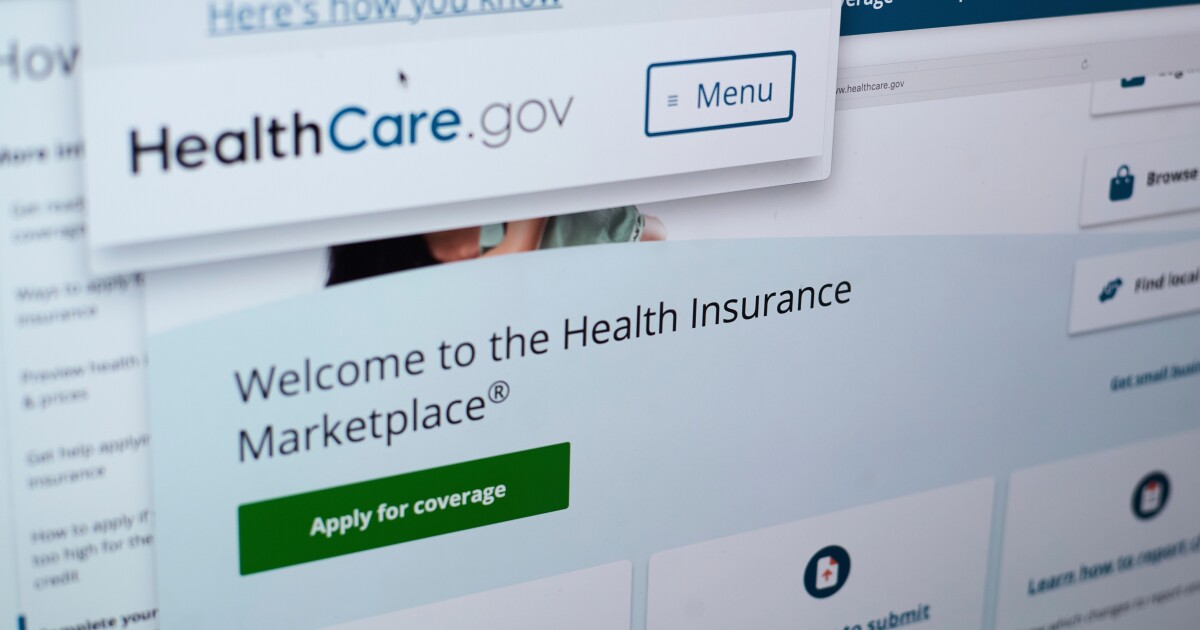
The landscape of health insurance is shifting as the Affordable Care Act (ACA) marketplaces witness a concerning drop in enrollment figures. In a recent analysis by KFF, it is projected that as many as 5 million individuals may choose to forgo health insurance coverage this year, primarily driven by rising costs.
Enrollment Decline Amid Financial Strain
The initial data indicates a decline of approximately one million enrollees when compared to the previous year. Experts in the health policy field have expressed concern that this downturn will only worsen due to ongoing affordability challenges, leading many to discontinue their health plans.
Impact of Expired Subsidies
A significant factor influencing this trend is the expiration of enhanced premium tax credits at the end of the previous year. Although there were efforts in Congress to extend these beneficial subsidies, a bipartisan agreement fell through, leaving many individuals without support for their insurance costs.
Cynthia Cox, a co-author of the KFF study, remarked, “Costs went up significantly and a lot of people dropped their plans.” This shift in financial feasibility has impacted enrollment rates significantly.
Projected Decrease in Coverage
The KFF report, drawing from data provided by the Centers for Medicare & Medicaid Services (CMS) and various state marketplaces, foresees a steep decline in enrollment, estimating numbers dropping from 22 million in 2025 to around 17 million in 2026. This aligns with findings from CMS, highlighting a significant reduction in insurance coverage availability.
While some of those leaving the ACA marketplaces may secure alternative health plans, many are likely to remain uninsured, as noted by Cox. She emphasized, “Those who stayed [in the marketplaces] are paying more, either in the form of higher premiums or higher deductibles or both.”
Increased Costs and Financial Risks
Last fall, predictions indicated an anticipated doubling of average premiums. This has prompted many consumers to either select lower-tier plans that come with higher deductibles or to abandon their insurance coverage entirely. The rise in deductibles has been particularly notable, with an average increase of $1,000 reported last year.
Cox expressed concerns that those who are uninsured may encounter increased financial burdens during medical emergencies, while those who maintain coverage might still feel the pinch due to heightened costs associated with premiums and deductibles.
Market Stability Insights
Despite these challenges, Cox believes that insurance companies have prepared for the current circumstances, which may limit the need for significant market corrections in the near future. She stated, “It might mean that we don’t see a lot of insurers needing to do another big market correction.”
The forthcoming insurance rate filings will shed light on whether this decline marks a fleeting trend or a new reality for the ACA marketplaces.