

Young Americans Navigate Job Market Hurdles and Political Discontent

Young Adults Confront Economic Challenges and Political Disillusionment
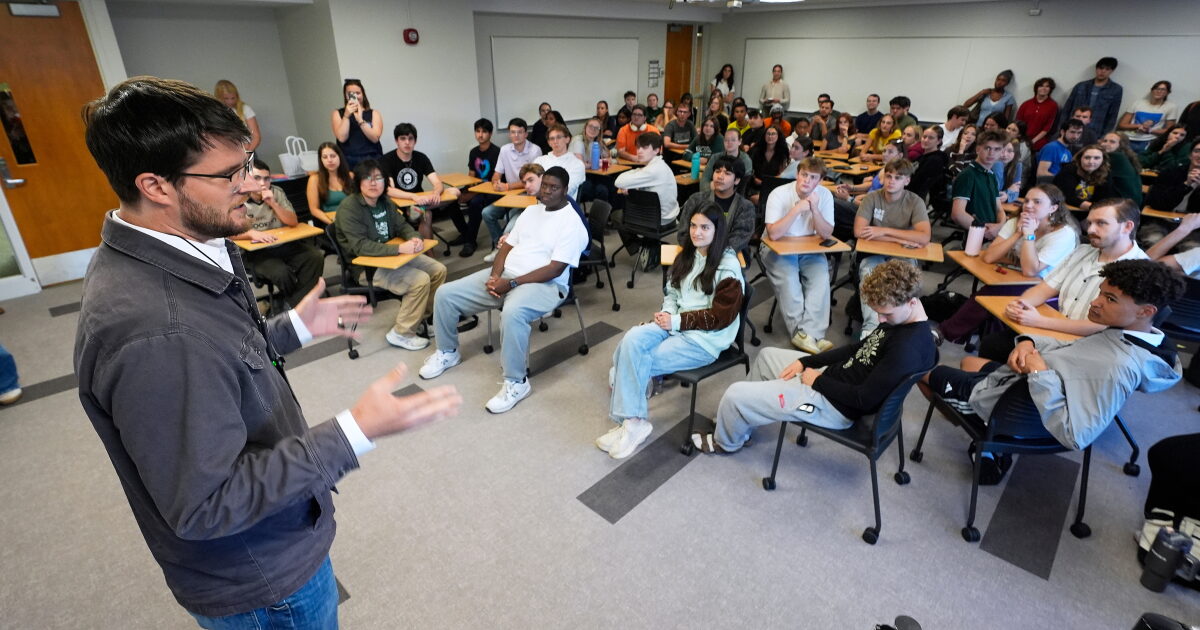
As graduates prepare to enter a fluctuating job market, many students at Michigan State University are navigating a landscape filled with uncertainty. The experience of Frankie Llerandi, a 21-year-old economics major, is indicative of a widespread trend among young adults—he is looking towards graduation without an internship, highlighting a delay in achieving traditional milestones such as homeownership and family life.
Kira Saiti, a sophomore at the same university, shares her worries, which extend beyond her own aspirations to encompass broader societal issues. The pervasive unrest around the world has left her disheartened, leading her to reflect on her generation's optimism. She expressed her struggles by stating, “It’s kind of hard to look at that and say, ‘This world is a great place.'”
Julian Bautista expresses similar feelings but has opted for a significant life change. Disappointed by the political environment and former administrative policies impacting environmental career prospects, he has plans to move to the Netherlands after graduation, believing that the current political system is failing to uphold democratic values and push for progress.
Students Grapple with Economic and Political Uncertainty
The transition into the workforce presents a daunting challenge for many students, exacerbated by economic pressures and disillusionment with the political landscape. There is an evident shift towards supporting progressive candidates like Abdul El-Sayed and Will Lawrence, who resonate with the frustrations of young voters eager for change.
A palpable sense of concern about the job market is present among students. Praveen Amunugama, a biochemistry major, remains hopeful for improvements in employment opportunities by the time he completes his graduate studies. His dreams of traditional aspirations, such as homeownership, reflect the lingering hopes of his peers despite the obstacles they face. While some economic indicators forecast a potentially brighter future for Generation Z than seen by previous generations, the road ahead remains fraught with challenges.
Economist Kevin Corinth discusses the intricacies of the contemporary job market, affected by advancements in AI and the delayed paths to independence for younger adults. Kathryn Edwards notes the higher unemployment rates facing recent graduates and the rising costs of living as critical barriers today’s youth must navigate.
The Shift in Political Engagement Among Young Voters
Another significant issue is the growing disconnection from conventional political values among young Americans. Conservative student leader Karlee VanAntwerp highlights the obstacles encountered in a highly polarized political environment. The recent death of Charlie Kirk, a notable figure in conservative circles, has only intensified these challenges.
VanAntwerp’s observations resonate with those of liberal students who are also advocating for change, showcasing a shared sentiment of stagnation and ineffectiveness in governance across the political spectrum. Will Lawrence, a candidate aiming to disrupt the status quo, encourages students to be proactive and optimistic about their future.
Yet, the feeling of political disenchantment remains widespread. Julian Bautista emphasizes a longing for greater representation and meaningful change, a sentiment echoed by many of his peers as they confront the realities of their political climate.