

Bridger Pipeline Project: A New Economic Hope with Environmental Risks

Bridger Pipeline Project: Balancing Economic Gains and Environmental Risks in Montana
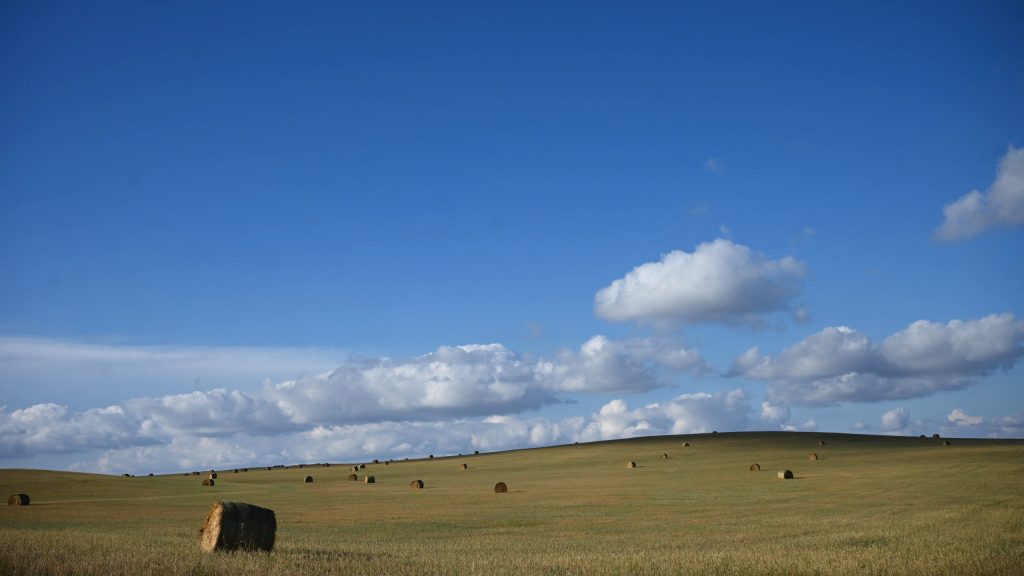
In the heart of Opheim, Montana, local farmers are eyeing the upcoming Bridger Pipeline as a potential lifeline for their struggling agricultural economy. Designed to cover 650 miles, this pipeline aims to transport Canadian tar sands oil from Montana to Wyoming, making a significant economic impact for nearly 300 landowners in the region. With the recent issuance of a presidential permit, construction is expected to initiate within the next year.
For farmers like Jerry Arnold, whose wheat fields have suffered from persistent drought and diminishing snowpack, the project holds promise. Arnold expresses hope that the pipeline will provide essential financial stability similar to what the defunct Keystone XL intended to deliver. The proposed route mirrors that of the Keystone project, traversing eastern Montana and into Wyoming, an area desperate for economic revitalization amid fluctuating market conditions.
Bridger Pipeline LLC has outlined plans to establish a route that could significantly benefit local landowners through easement agreements. Landholders can expect compensation that may vary based on negotiations, with previous projects seeing payments reach as high as $150,000.
In Daniels County, a region previously lacking any pipeline infrastructure, the potential economic uplift is considerable, as highlighted by Commissioner Tammi Fladager. Describing the opportunity as akin to a "pork chop falling on the floor," Fladager emphasizes the dire need for such economic opportunities in the area.
Alongside anticipated financial benefits, the pipeline promises to create between 2,000 to 2,500 construction jobs, as well as 50 to 100 permanent positions. This influx of employment is particularly crucial in an area where pipeline projects traditionally serve as significant revenue streams. Nevertheless, concerns regarding the project's environmental impact remain paramount, particularly for communities close to the planned route.
The pipeline’s route passes near the Fort Peck Reservation, raising alarms among tribal representatives about the potential environmental repercussions. Activist Krystal Two Bulls of Honor the Earth has condemned this pipeline construction as a recurring issue that endangers tribal lands and threatens water sources. While Bridger has maintained its commitment to avoiding the reservation by securing agreements with cooperative landowners, these assurances have not quelled all concerns.
Safety is another critical aspect, especially in light of Bridger’s previous spill incidents, including a notable spill in the Yellowstone River in 2015. Although the company is reportedly enhancing safety measures, skepticism lingers in the community regarding spill prevention. Furthermore, the Bureau of Land Management’s forthcoming environmental review focuses primarily on emissions from construction, leaving larger environmental implications largely unexamined.
As Bridger Pipeline LLC continues its technical evaluations and engages with local tribes, numerous issues remain unresolved. Questions about spill response procedures, potential resource damage, and adequate mitigation plans are ongoing points of debate. With the project’s future dependent on various approvals and negotiations, the balance between economic development and environmental stewardship remains a central concern for the affected communities.