

Trump Sends National Guard to Memphis Amid Rising Crime Rates

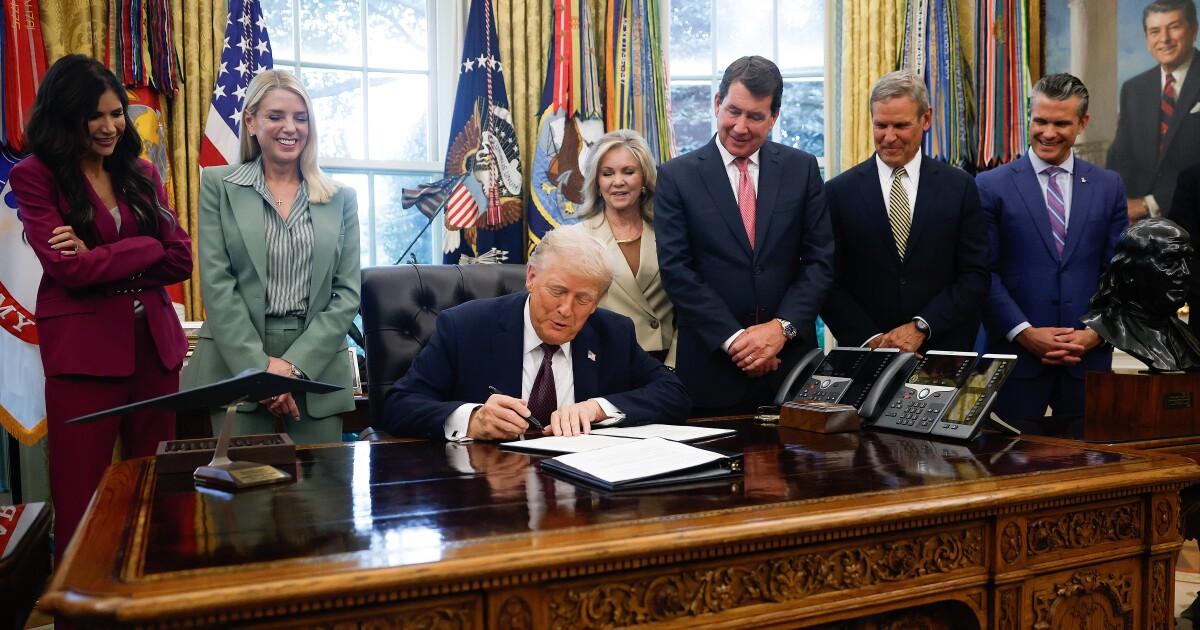
In an effort to tackle escalating crime rates, President Trump has announced the deployment of National Guard troops to Memphis, Tennessee. This initiative, which has sparked a mix of support and criticism, aims to create a federal task force to enhance public safety in the area.
This week, President Trump signed an order at the Oval Office, accompanied by Tennessee Governor Bill Lee, to launch the task force, mirroring a previous deployment in Washington, D.C., where over 2,000 National Guard members have been maintaining security around federal properties for several weeks. Trump emphasized the significance of this action, stating, “It’s very important because of the crime that’s going on, not only in Memphis, in many cities.” The task force will incorporate resources from various agencies, including the state National Guard, FBI, and U.S. Marshals.
Context and Concerns
While specific details about the timeline and operations of the National Guard in Memphis remain undisclosed, the memo suggests the possibility of troops from neighboring states being involved. Trump's decision to deploy troops here is part of a broader anti-crime initiative targeting cities predominantly governed by Democrats, a move that raises questions about the limits of presidential power and the role of military personnel in civilian law enforcement.
Legal experts such as Chris Mirasola, a professor of national security law at the University of Houston Law Center, have expressed concern regarding this trend. “I have a whole bunch of concerns,” Mirasola stated, noting that there are significant issues with the military consistently engaging in non-emergency situations in urban areas.
This deployment marks an unprecedented action in a state led by a Republican governor. While Governor Bill Lee has supported the deployment, Memphis Mayor Paul Young, a Democrat, has openly criticized the plan. “I did not ask for the National Guard, and I don’t think it’s the way to drive down crime,” Young shared during a press conference, despite recognizing the city’s ongoing crime challenges.
Crime Rates in Memphis
The administration cites Memphis's predominantly Black demographics as a reason for intervention, claiming the deployment intends to “restore public safety” amidst ongoing crime issues. Despite these claims, recent reports from the Memphis police department indicated a drop in major crime categories compared to previous years, which followed a spike in violent crime rates in 2023, including approximately 350 homicides.
Critics point out that military personnel are not trained for community policing and often lack arrest authority, raising doubts about their efficacy in reducing crime rates. The Memphis police department is currently collaborating with federal agencies such as the FBI and U.S. Marshals to address crime-related challenges.
Mayor Young has asserted the need to maintain community trust while working alongside the National Guard’s deployment. He stressed the necessity for federal officials to address underlying causes of violent crime, suggesting investments in mental health, housing, and education as essential components of a comprehensive solution.
National Guard’s Role in Urban Areas
Following similar actions in cities like Los Angeles, Washington, D.C., and potential future deployments in places like Chicago and Portland, the presence of the National Guard in urban settings has stirred significant debate. Some state officials, including California's Governor Gavin Newsom, have voiced opposition to these actions, stating they infringe upon state authority.
Adding to the controversy, a federal judge ruled the deployment of the National Guard in Los Angeles was illegal, though the president has appealed the ruling. In contrast, Trump's authority over the D.C. National Guard stems from the Home Rule Act, give him a legal basis that does not apply uniformly across other cities.
While legal backing from Governor Lee may lend some credibility to Trump’s plan, experts warn that normalizing the presence of troops on American streets could have long-term implications. Rosa Brooks, a law professor at Georgetown University, cautioned that this development challenges historical perspectives on the military's role in civilian life, stating that it could lead to a worrying acceptance of armed forces in everyday scenarios.
Hina Shamsi, from the American Civil Liberties Union, also criticized the trend, emphasizing, “Very simply put, the military should not be policing civilians.” With mounting concerns over civil rights and checks and balances, the implications of this deployment extend beyond immediate law enforcement actions, potentially reshaping the relationship between military and civilian domains in the United States.