

Trump's Proposed Budget Cuts to TRIO Programs Endanger Low-Income Students
- Better American Media

- Feb 9
- 3 min read
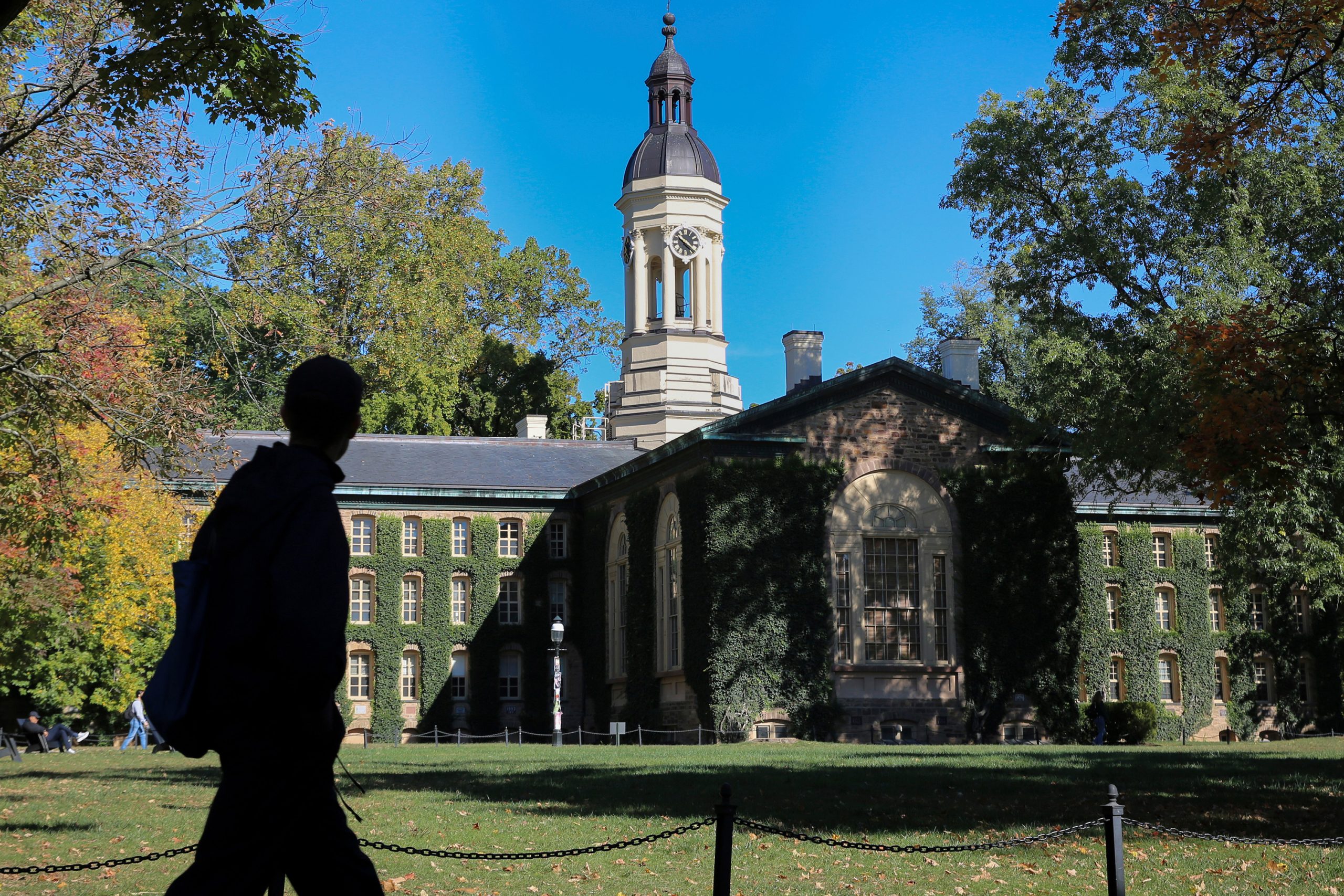
As budgetary discussions unfold, the future of educational support for low-income students hangs in the balance. In a revealing instance from Fort Worth, Texas, a high school advisor's intervention demonstrated the critical role of federal programs like TRIO in aiding students during crises. This situation reflects broader concerns as the Trump administration proposes significant cuts that could have lasting implications for college access among economically disadvantaged populations.
Jeff Kahlden, who served as a mentor through the Upward Bound TRIO program, took measures to help a distressed student whose grandmother had suffered a stroke, leaving him without a home. The support Kahlden provided not only guided the student through high school but also facilitated his college enrollment, highlighting the necessity of TRIO programs for low-income individuals pursuing higher education.
Proposed Budget Cuts to TRIO
However, the Trump administration's recent budget proposals threaten the sustainability of TRIO and similar initiatives. The administration's plan includes a cut of nearly $1.6 billion from TRIO and GEAR UP programs, which are pivotal in preparing lower-income students for college. Dubbing TRIO as an outdated program, officials contend that access to college is no longer a significant hurdle for these students.
Concerns Over Educational Equity
This perspective is met with skepticism, especially as statistics reveal a decline in low-income college enrollment. For instance, only 32 percent of Pell Grant recipients were enrolled in 2022-23, compared to 41 percent a decade earlier. Advocates fear that changes in federal support will exacerbate the challenges faced by lower-income families, particularly in light of rising tuition costs, which now consume a staggering 90 percent of earnings for low-income families. In contrast, wealthier families spend approximately 15 percent of their income on college expenses.
Moreover, the administration's budget seeks to eliminate vital programs such as the Child Care Access Means Parents in School (CCAMPIS), which assists college students who are parents. This cut threatens daycare support for nearly 20 percent of student parents, likely increasing dropout rates and further hindering their educational pursuits.
Impact of Federal Budget Decisions
With financial aid increasingly skewed towards middle- and upper-income families, educational equity remains a pressing concern. The Pell Institute’s findings highlight stark disparities in college attendance across income levels. As funding for low-income student initiatives faces headwinds—especially with legal challenges deeming some racial enrollment criteria unconstitutional—advocates worry that the diminishing financial assistance will lead to significant educational inequities.
Despite these challenges, there are signs of resilience among low-income students. Reports indicate increases in FAFSA applications and a greater number of students applying for college through the Common Application. Nonetheless, many institutions continue to prioritize wealthier applicants, limiting opportunities for those from lower-income backgrounds.
Changing Admissions Landscape
Colleges, responding to financial pressures, are altering admissions policies, including the increased use of early decision applications, which may disadvantage low- and middle-income prospective students. Elite schools have adopted these strategies, potentially sidelining qualified applicants unable to commit without financial aid clarity. The University of Michigan and the University of Virginia have recently reinstated early decision admissions, raising concerns about long-term access to education for underprivileged students.
As the conversation around higher education funding evolves, the implications of these policy changes for low-income students continue to unfold. Kahlden remains involved with TRIO, witnessing firsthand how the program impacts lives, even producing graduates who contribute back to their communities as educators.