

Arizona Cattle Sales Surge as Beef Prices Rise Amid National Shortage

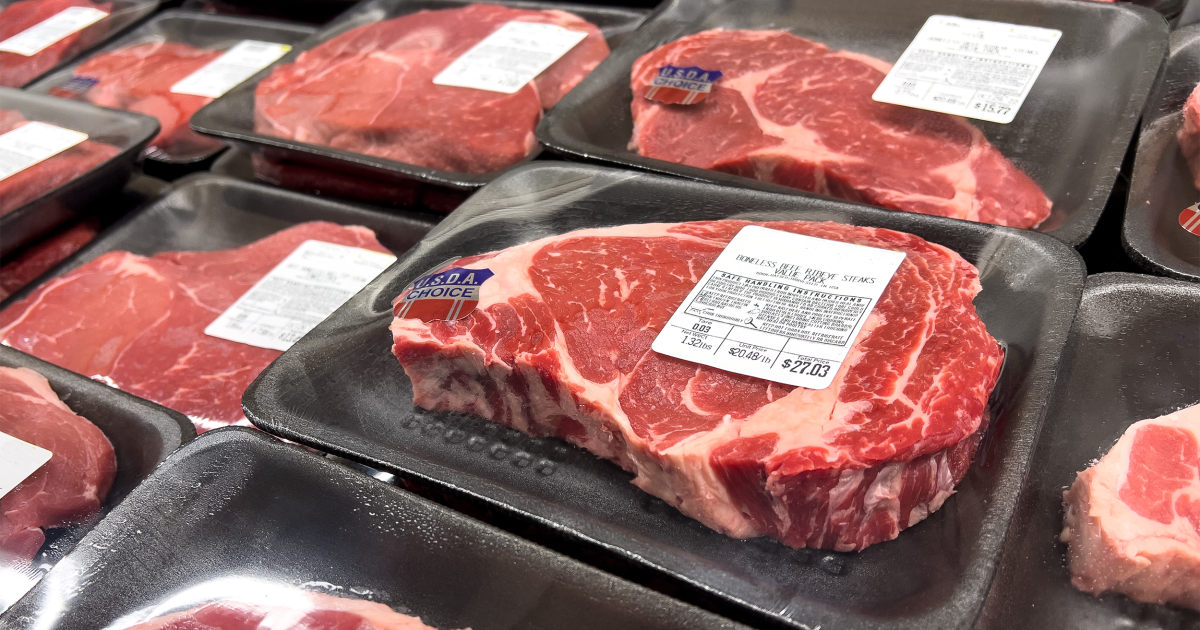
Arizona's Cattle Sales Soar Amid National Beef Supply Constraints
Arizona's agricultural landscape is witnessing a remarkable uptick in cattle sales, which reached an impressive $1.8 billion last year—a $300 million boost from 2024, according to the U.S. Department of Agriculture.
The surge in sales aligns with a national escalation in beef prices, which have climbed to an average of $9.64 per pound as of April, representing a 13% increase from the previous year. This hike in prices is driven by a combination of high consumer demand and a significant drop in the nation's cattle population, which is at its lowest level in 75 years.
Looking ahead, projections suggest that beef production across the country will continue to decline until 2027. Despite this downturn, the American Farm Bureau predicts that consumer demand will remain strong, with heavier cattle yielding higher fat content in beef products.
In related developments, notable initiatives within Arizona's food scene are underway. Chef Charleen Badman’s Blue Watermelon Project is now active in over 50 schools statewide, promoting healthy cooking among children, including recent cooking sessions at its original site.
Additionally, Amazon has improved its services for select customers in Phoenix and several U.S. cities by offering delivery within 30 minutes, enhancing the online shopping experience.
On another note, Nikki Buchanan, a prominent food critic for Phoenix Magazine, is set to retire after an impressive 42-year span that included over 3,000 restaurant reviews and a plethora of feature articles.
Moreover, the Arizona wine industry, which has seen significant growth over the last two decades, now confronts the pressing issues posed by climate change—a concern echoed across winemaking regions globally.
Finally, a new collaboration between DoorDash and Kroger aims to improve food accessibility by allowing grocery delivery for SNAP recipients across the nation, including those in Arizona.