

Trump's Michigan Election Fraud Claims Spark Controversy Amid Coming Elections
- Better American Media

- Jul 17
- 2 min read
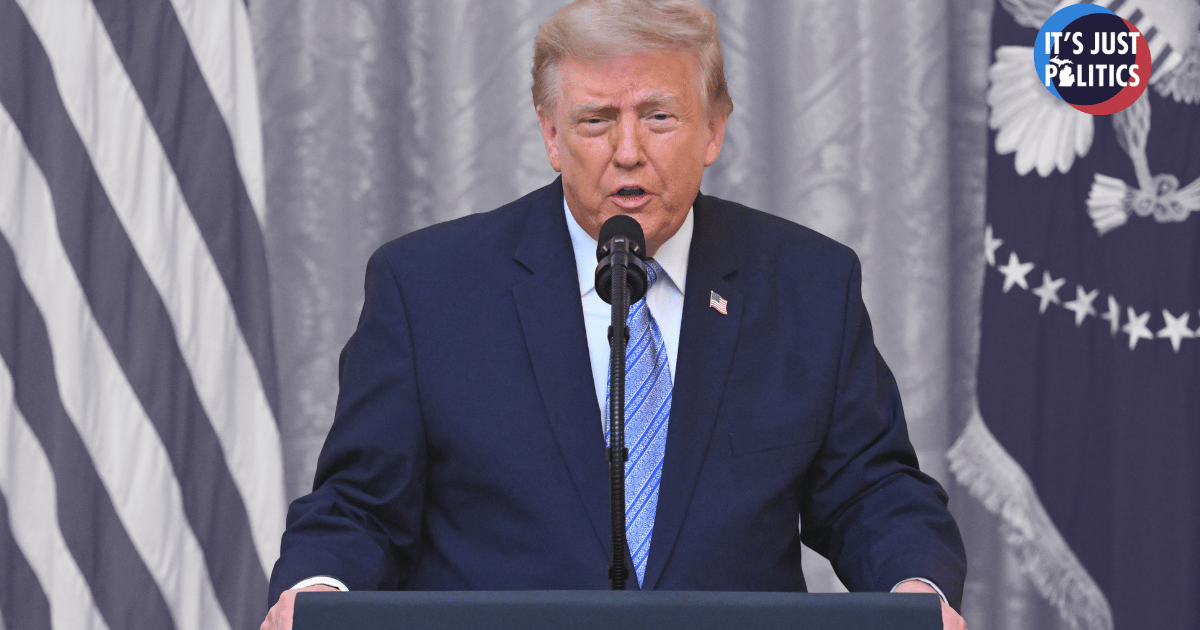
The Renewed Debate on Election Integrity in Michigan
As Michigan gears up for the pivotal 2026 elections, discussions surrounding election integrity have surged, with former President Donald Trump spotlighting a voter registration fraud case from six years ago in Muskegon. This case, which has already been closed by federal authorities without any charges, has been reinvigorated by Trump’s call for a reassessment, suggesting it serves as a potential indicator of broader electoral issues.
Michigan, a state known for predicting presidential outcomes accurately over the past five cycles, is currently scrutinized in light of recent polling analyses from organizations like EPIC-MRA and the Glengariff Group, which reveal a decline in Trump’s approval ratings within the state.
In a recent national address, Trump called for heightened federal oversight of voting processes, citing the Muskegon case as a pivotal example. He indicated the release of new documentation to back his claims, despite the federal investigation concluding without pursuing charges. Commenting on the incident, Michigan election officials contended that the Muskegon episode exemplifies the system’s effectiveness in safeguarding against electoral fraud.
The initial investigation began in 2020 when Muskegon City Clerk Ann Meisch detected and denied numerous fraudulent voter registration applications. Several applications exhibited similar handwriting, and inconsistencies were found when cross-referenced with state records. Subsequently, the FBI became involved, conducting interviews with individuals affiliated with GBI Strategies, the organization responsible for voter registration processing.
In addressing the need for further investigation, Michigan Deputy Secretary of State Aghogho Edevbie remarked, “The system worked. The clerk recognized the issue, reported it, and no votes were affected at all.” He criticized Trump's efforts to “rewrite history” and confirmed the ongoing security of Michigan’s electoral processes.
The political climate in Michigan holds considerable stakes, especially with elections looming for an open U.S. Senate seat and various significant state positions. Michigan Attorney General Dana Nessel has vocalized her commitment to combating any perceived federal interference in state election operations. “Whether it’s unlawful executive orders, baseless demand letters for private voter information, or the President’s continuous misinformation campaign, my office stands ready to fight back,” she stated.
The issue of election integrity has drawn stark partisan divisions, with Michigan House Republicans supporting Trump’s assertions regarding the Muskegon case, while Democrats critique the focus, arguing it distracts from more urgent matters such as foreign policy and economic woes.
Key Political Strategies and Legislative Proposals
In the realm of state politics, U.S. Senator Gary Peters has shifted his stance to endorse Congresswoman Haley Stevens in the Democratic primary for his Senate position, diverging from his previous neutrality. This primary contest against former public health official Abdul El-Sayed is viewed as a showdown between different factions within the Democratic Party. The eventual nominee will confront Republican Mike Rogers in the general election.
Notably, prominent political figures including U.S. Senator Bernie Sanders and Representative Alexandria Ocasio-Cortez are actively supporting Abdul El-Sayed, marking a significant moment as AOC visits Michigan for her first campaign engagement this cycle.
Additionally, legislative discussions are underway regarding a proposal to impose increased taxes on high-income earners, targeting individuals earning over $500,000 and couples exceeding $1 million. The aim of this measure is to channel additional revenues toward health, housing, and education initiatives. Nonetheless, this proposal faces obstacles in garnering enough legislative backing to progress to a public referendum.