

Trump Claims Affordability Issues Are Fake News Despite Rising Costs

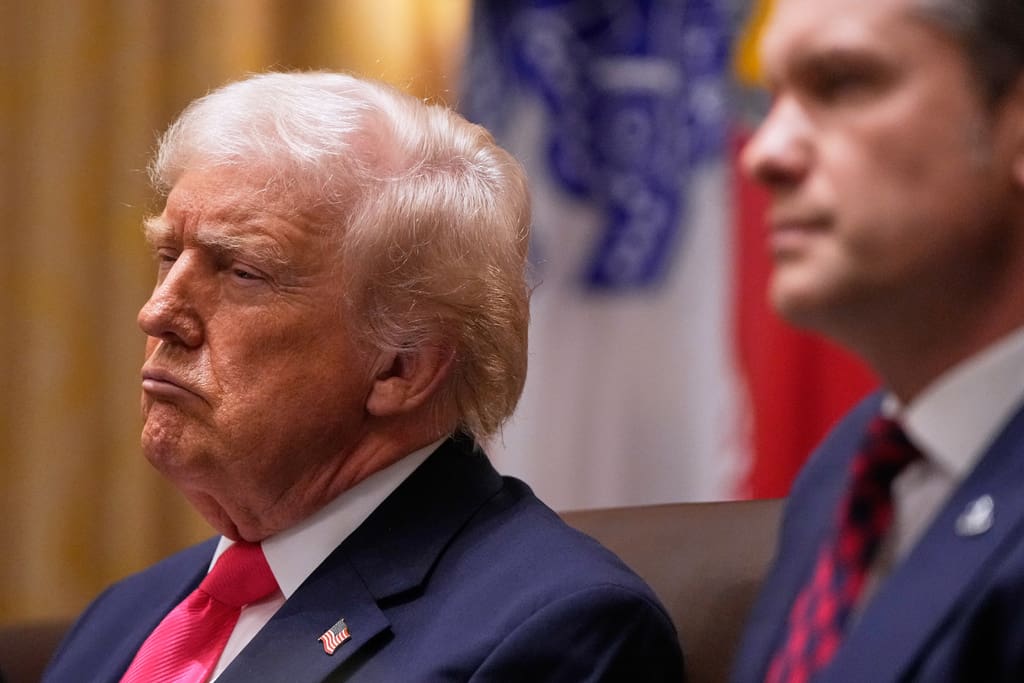
Rising Living Costs Spark Political Debate Amidst Dismissal from the Trump Administration
As the cost of living continues to make headlines, President Donald Trump's recent comments have drawn significant attention. Referring to growing affordability concerns among Americans as “fake news,” Trump’s remarks contrast sharply with economic data that underscores substantial price increases in essential goods.
Price Increases and Economic Concerns
Despite Trump's assertion that affordability issues are exaggerated by Democrats, data reveals that prices for everyday items are climbing steeply. A study by Defend America Action reported that in the lead-up to Thanksgiving, prices for turkey surged by 24%, while canned cranberries saw a staggering increase of 45%. Other common holiday grocery items have also risen: frozen peas by 17%, cheddar cheese by 6.6%, and sweet potatoes by 37%. This financial pressure has prompted many consumers to seek alternatives, with approximately half choosing chicken over turkey this holiday season.
Political Ramifications
This increase in living costs not only affects American households but is also shifting the political landscape. Democrats have experienced recent electoral successes in Virginia, New Jersey, and Georgia, with affordability issues at the forefront of their campaigns. Notably, Aftyn Behn’s near victory in Tennessee's U.S. House race against Republican Matt Van Epps illustrates the shifting demographics and priorities of voters in traditionally red districts.
Consumer Price Index and Future Projections
As families prepare for Christmas, the PNC Bank’s annual Christmas Price Index indicates a 4.4% rise in gift pricing compared to 2024 and a notable 9.8% increase since 2023. This evolving economic environment raises questions about consumer spending power amidst the ongoing expiration of Affordable Care Act subsidies, which could potentially diminish financial resources for an estimated 22 million Americans.
Retail Perspectives and Policy Responses
Major retailers, including Walmart, have attributed some of these price hikes to tariffs instituted during Trump’s presidency. Walmart’s CEO Doug McMillon noted, “Higher tariffs result in higher prices… We’re wired for everyday low prices, but the magnitude is more than any retailer can absorb.” This insight highlights the complexities retailers face in balancing competitive pricing with increased operational costs.
Public Sentiment and Polling
Polling data reflects a disconnect between the administration’s narrative and public sentiment. According to an Associated Press-NORC poll, more than half of Americans consider grocery prices a significant stressor in their lives. Furthermore, a Reuters poll has indicated that the cost of living is set to be a pivotal issue in the upcoming 2026 midterms, reinforcing the importance of affordability in political discussions.
Democratic leaders have responded vocally to Trump’s characterization of affordability concerns. New York Senator Chuck Schumer stated on social media, “The only hoax is Donald’s repeated lies about the economy. Groceries, housing, utilities cost more. It’s happening on his watch.” Similarly, Massachusetts Representative Jim McGovern emphasized the weight of affordability concerns for average Americans, suggesting that Trump may be disconnected from the realities facing everyday citizens.