

Trump Administration Extends Controversial Michigan Coal Plant Operations
- Better American Media

- Nov 20, 2025
- 2 min read
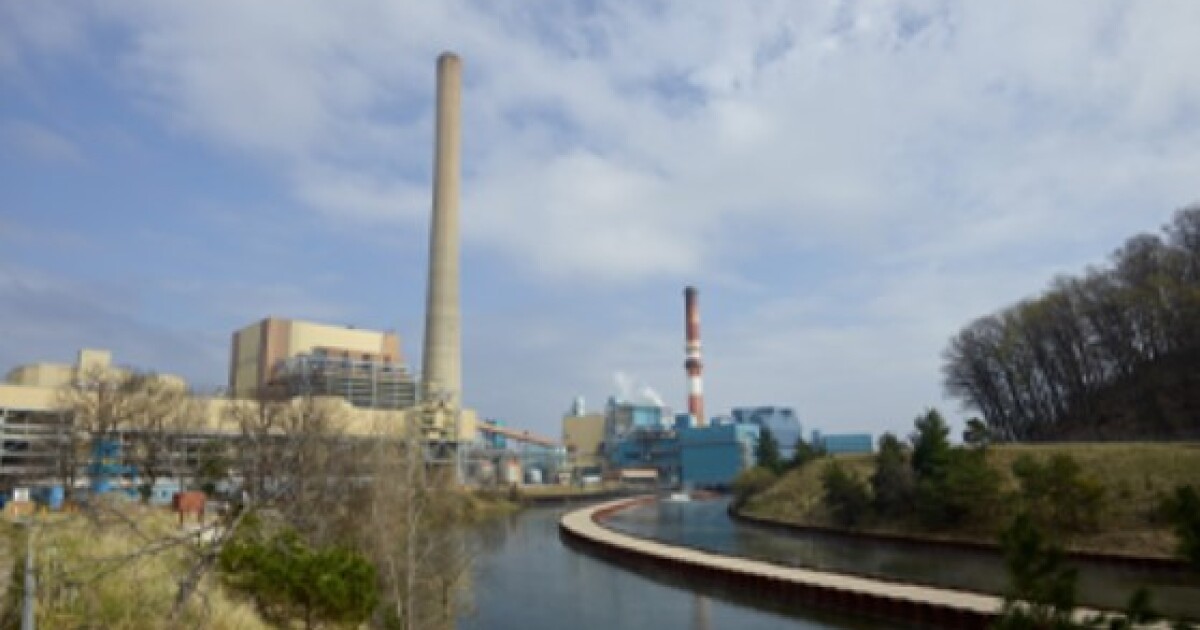
Extended Operations of Michigan Coal Plant Prompt Debate
In a notable decision, a coal-fired power plant in western Michigan has received permission to maintain its operations for an additional three months. This extension comes as part of an order from the Trump administration, amidst growing concerns regarding energy supply stability in the Midwest.
The J.H. Campbell plant, managed by Consumers Energy, was originally scheduled to close in May as part of a broader strategy to curb costs, lower greenhouse gas emissions, and facilitate a shift toward natural gas and sustainable energy options. However, the U.S. Department of Energy has argued that extending the plant’s operation is essential for keeping energy costs affordable during a perceived energy emergency affecting the region.
Energy Secretary Chris Wright commented on the situation, expressing dissatisfaction with the current trends in energy sources. He stated, “The Trump administration will keep taking action to reverse these energy subtraction policies, lowering energy costs and minimizing the risks of blackouts. Americans deserve access to affordable, reliable and secure energy regardless of whether the wind is blowing or the sun is shining, especially in dangerously cold weather.”
This latest extension marks the third postponement of the Campbell plant's closure, as claimed emergencies were cited by Wright in previous decisions. The rationale for this extension is facing opposition from environmentalists and state regulators.
Critics such as Nick Dodge from the Michigan League of Conservation Voters argue against the necessity for continued operation, suggesting that adequate infrastructure already exists to meet energy demands through renewable sources and natural gas. “It’s unnecessary, and there have already been plans and additional generation put in place through renewables and in natural gas to fulfill all the energy needs that Campbell provides,” Dodge remarked.
Environmental concerns are increasingly focused on the plant's impact along the Lake Michigan shoreline. Advocates for its closure suggest that prolonging its operation could forfeit potential savings of up to $600 million by 2040, attributing this to the facility's operational inefficiencies and high expenses.
Despite facing pushback, Consumers Energy has expressed its intention to comply with the federal requirements. Company spokesperson Katie Carey noted, “Consumers Energy is prepared to continue operating the Campbell plant as required by the U.S. Department of Energy. Consistent with a Federal Energy Regulatory Commission (FERC) order, the costs to operate the Campbell plant will be shared by customers across the Midwest electric grid region – not solely by Consumers Energy customers.”
The Midcontinent Independent System Operator Inc. (MISO), which supervises the regional power grid that encompasses Michigan, has confirmed its collaboration with Consumers Energy to fulfill the compliance mandates.
As Michigan moves towards a statutory deadline for a complete transition to “clean energy” by 2040, there remains a possibility that the Trump administration may extend the plant’s operations beyond the current deadline of February 17. Such a scenario could encounter significant legal challenges from environmental organizations and the state attorney general’s office, which has already initiated litigation against the Department of Energy’s directives.
For further details, refer to the official DOE order here.