

Tariffs Inflate Holiday Prices, Altering Americans' Shopping Habits

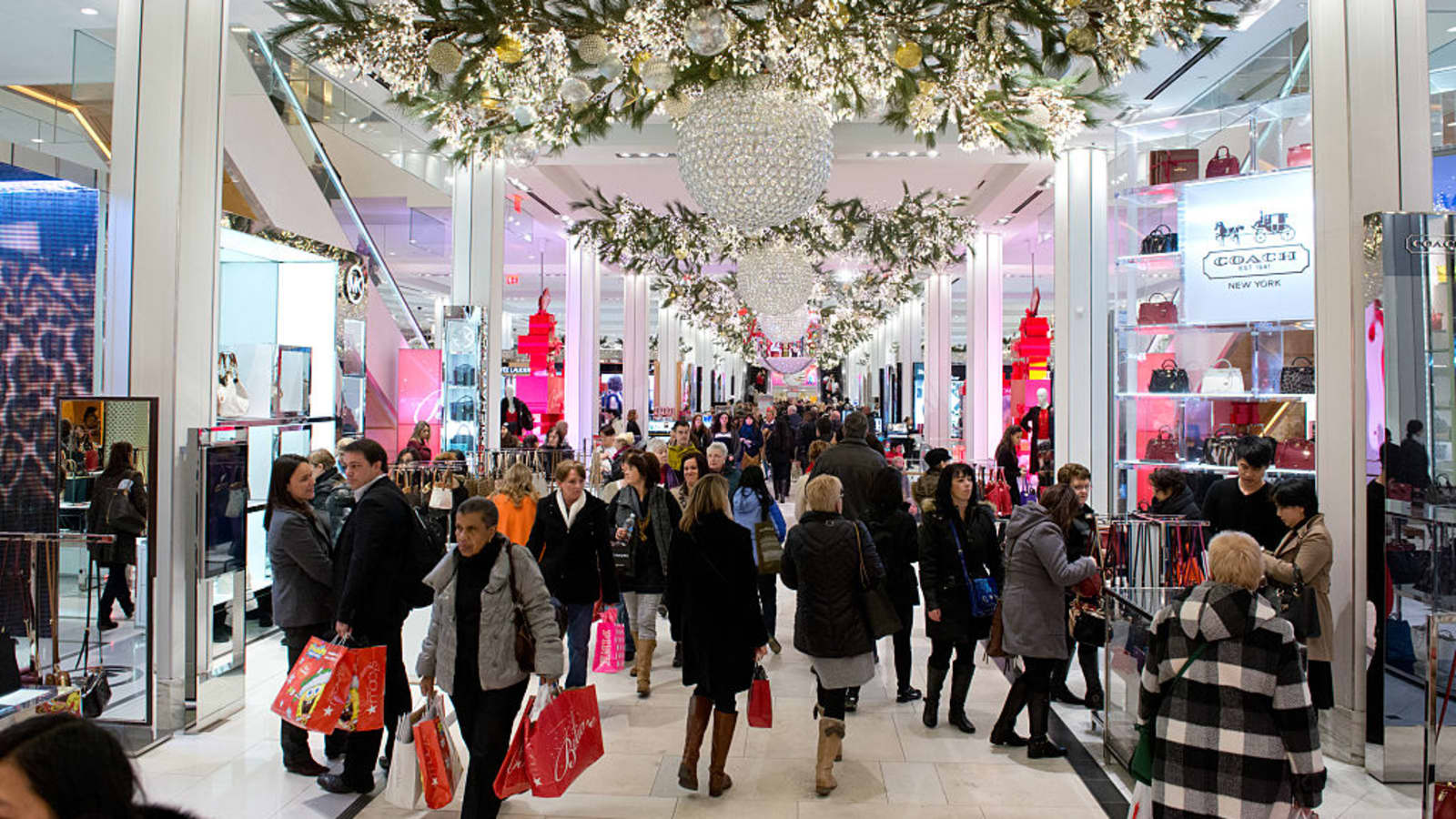
Rising Costs Shift Holiday Shopping Trends Amid Tariff Impact
This holiday season, shoppers are adjusting their spending habits due to increasing prices driven by tariffs imposed by the Trump administration. As imported goods become costlier, many consumers find themselves purchasing less or opting for lower-priced alternatives.
Reports from small businesses indicate that delays and price hikes affect holiday merchandise. Many entrepreneurs express concerns that items sourced from overseas not only arrived later than usual but also carry increased costs, forcing customers to tighten their budgets. Shoppers are now more selective, often opting to buy essential items or fewer holiday decorations rather than splurging on extravagant gifts.
Certain categories have been particularly impacted. The toy industry, for instance, has faced significant price increases due to much of its inventory being manufactured in China. Retailers in this sector report wholesale price hikes ranging from 5% to 20%. As a result, a popular doll previously priced at $20 could now be sold for $30 or higher.
Electronics have not escaped this trend either. Retailers like Best Buy have adjusted their prices, though they attempt to cater to consumers with different financial constraints by offering a variety of product options. Notably, the costs of major gaming consoles have risen earlier this year, contributing to a perception of inflated prices during the holiday shopping period.
While some items, such as jewelry, are experiencing price increases primarily due to rising gold values rather than tariffs, experts caution that ongoing tariffs could lead to further price escalations in 2026 if they remain in effect. Similarly, many holiday decorations, often imported, have also seen their prices surge, leading some retailers to avoid stocking higher-end items entirely due to anticipated consumer resistance to elevated price points.
Economists observe that although tariffs have not universally driven up prices across all sectors, they combine with elevated inflation rates and a cooling job market to apply additional pressure on consumer finances. According to polls, a considerable number of Americans have noted increased costs for everyday essentials like groceries and electricity, prompting many to scale back their holiday expenditures. To manage costs better, financial experts suggest strategies such as purchasing secondhand items, shopping at discount retailers, or seeking out domestically produced products such as books and food.
For numerous families this year, the focus during the festive season has shifted from indulgence to careful budgeting, as they strive to make every dollar count.