

Supreme Court Limits Trump's Tariff Authority but Options Remain

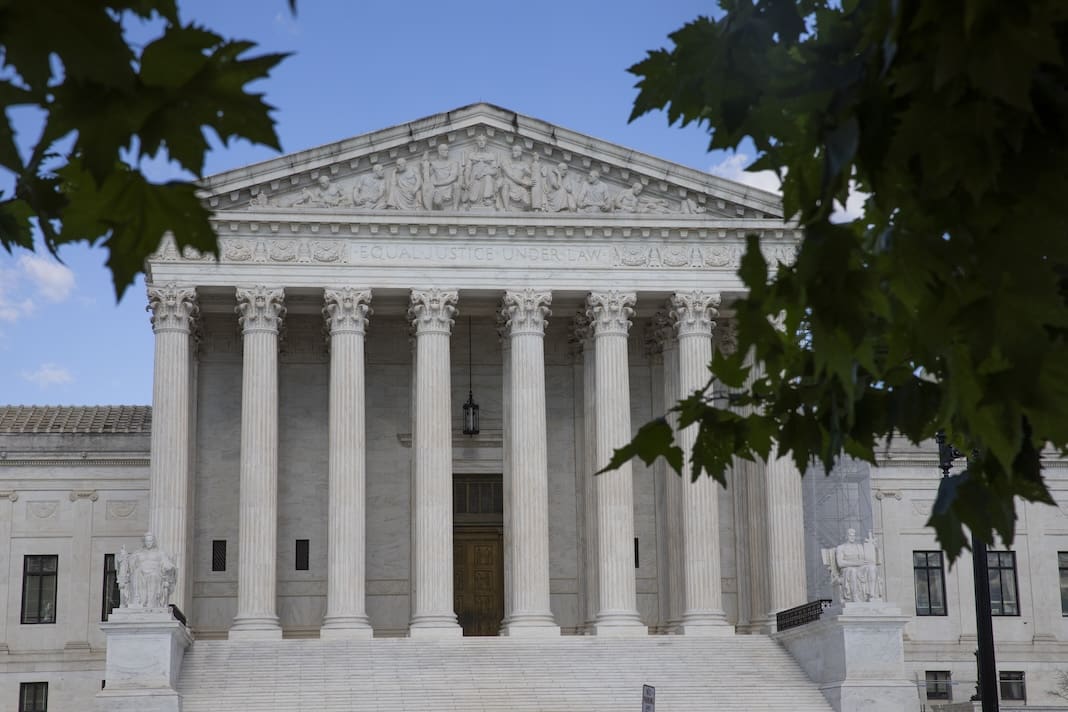
Trump's Tariff Powers Remain Intact After Supreme Court Ruling
Despite a recent Supreme Court ruling that curtailed President Donald Trump's expansive claims to impose tariffs, he retains several avenues to enact import tariffs using existing statutory powers. The decision, which challenges the President's authority, does not entirely strip him of the capability to implement tariffs, raising questions about the future of U.S. trade policy.
The Supreme Court's ruling has significant implications, as it rejected Trump's broad assertions of authority. Nonetheless, experts note that he can still rely on powers granted during his first term in office, and from historical legislation aimed at trade management during economic crises.
Trade law expert Kathleen Claussen from Georgetown University stated, “I can’t foresee tariffs ending anytime soon. Trump could replicate his current tariff structure using alternative authorities.” Trump's previous approach involved claims under the International Emergency Economic Powers Act of 1977, which were challenged by critics asserting that Congress had already set boundaries through various statutes.
Mechanisms for Tariff Implementation
Tariffs have become a cornerstone of Trump's economic strategy, often framed within the context of addressing long-standing trade deficits perceived as a national emergency. In an analysis by Yale University's Budget Lab, average U.S. tariffs climbed from 2.5% to nearly 17% in just one year, marking the highest levels recorded since 1934.
Although the Constitution grants Congress the authority to impose taxes and tariffs, Trump has acted unilaterally in this domain. The administration typically employs various statutes to justify these tariffs:
Fighting Unfair Trade Practices
One such approach is Section 301 of the Trade Act of 1974, which allows the U.S. to challenge “unjustifiable” trade practices. Trump has utilized this section predominantly against China, citing unfair practices that threaten the U.S. competitive edge, particularly in critical technology sectors.
Section 301 does not impose size limits on tariffs and remains extendable after an investigation and public hearings, although it is often seen as a lengthy and complicated process.
Addressing Trade Deficits
A recent court ruling adversely affected Trump's reciprocal tariffs based on trade deficits, noting that Congress had defined the parameters for such measures through Section 122 of the Trade Act of 1974. This section allows for tariffs of up to 15% for a maximum duration of 150 days without necessitating an investigation, though it has not yet been activated.
National Security Concerns
Section 232 of the Trade Expansion Act of 1962 has been another avenue for Trump to impose tariffs on imports considered threats to national security. This provision has been applied to a range of imports, including steel and aluminum. Tariffs under Section 232 benefit from investigations managed by the U.S. Commerce Department, akin to procedures under Section 301.
Potential Use of Historical Tariff Powers
Reviving legislative measures from the Great Depression, such as the Tariff Act of 1930, is also a possibility. Section 338 of this act could allow for tariffs as high as 50% on imports from nations discriminating against U.S. entities. While this specific section has never been invoked, it remains an option for leverage in trade negotiations.
In a recent remark, Treasury Secretary Scott Bessent indicated that Section 338 could be considered if the Supreme Court action restricted emergency tariffs.