

State Department Plans 15% Staff Cuts in Major Restructuring Effort

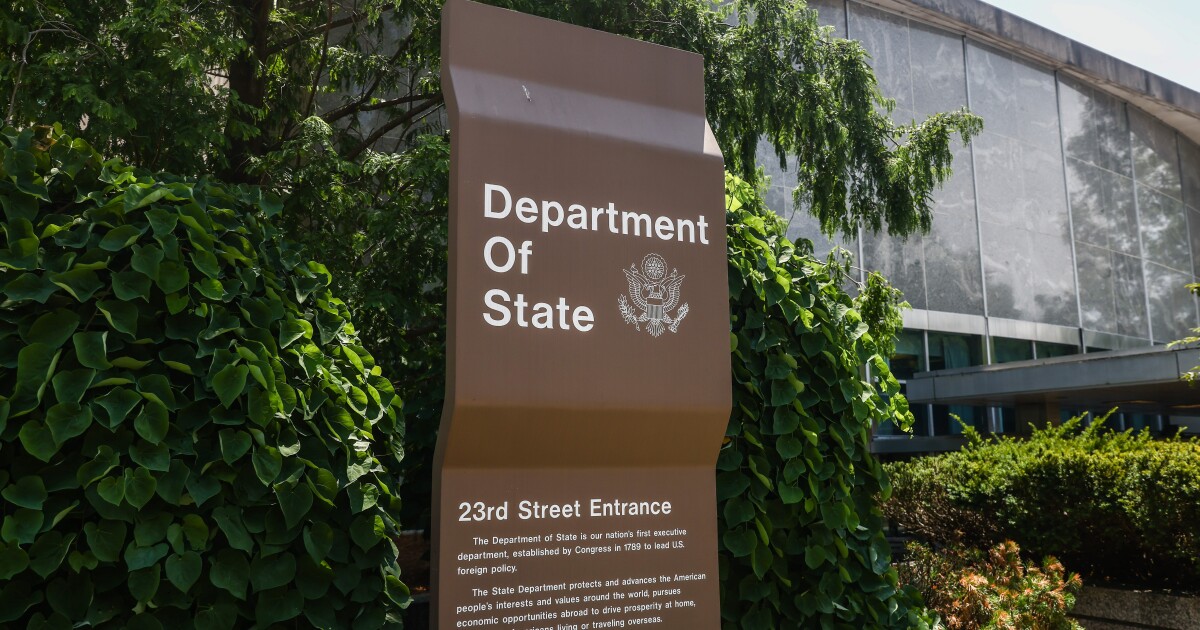
State Department Embarks on Significant Staff Reduction
The U.S. State Department is initiating a substantial workforce reduction, aiming for a 15% decrease in its Washington, D.C. operations. This action represents the largest restructuring the department has seen in recent years, with plans already underway for early retirements and anticipated layoffs to conclude by the end of the week.
Deputy Secretary of State for Management, Michael Rigas, has stated that affected employees will soon receive notifications regarding this "reduction in force" program, signaling a significant shift in departmental operations.
Leading this overhaul is Secretary of State Marco Rubio, who is working to close 132 offices deemed redundant. As part of the restructuring, there will be revisions to internal procedures that will allow for the termination of civil and foreign service members whose roles have become unnecessary.
Rubio emphasized the need for increased efficiency, arguing that the existing layers of bureaucracy hinder swift decision-making. He articulated his concerns during a Senate hearing in May, saying, “There were 40 boxes on this piece of paper. That means 40 people had to check off ‘yes’ before it even got to me. That’s ridiculous. And if any one of those boxes didn’t get checked, the memo didn’t move. That can’t continue.”
However, this strategic shift has faced significant backlash from former diplomats and critics. The American Academy of Diplomacy, composed of former ambassadors dedicated to U.S. foreign policy, labeled Rubio’s actions as potentially harmful to the department’s depth of knowledge and experience, describing it as “an act of vandalism.”
Thomas Shannon, who previously held the position of undersecretary during the Trump administration, expressed concern over the implications of such reductions. He remarked, “This isn’t just about trimming fat. We’re removing a significant chunk of our civil service and foreign service employees and restructuring in ways that reflect a diminished global agenda.” Shannon raised alarms about the consequences this may have on the U.S. commitment to human rights and democracy, particularly with the closure of USAID and the ongoing loss of specialized expertise.
Shannon further pointed out that the overhaul could have long-term strategic impacts, warning that the U.S. might struggle to keep pace with international competitors, particularly nations like China. He concluded that these cuts could lead to a loss of highly qualified professionals, stating, “They’ll be like players in a game of musical chairs — suddenly finding themselves without a seat.”
Although the immediate effects on operations may not be immediately visible, experts caution that the repercussions of these changes could become apparent in the future as the U.S. adjusts its role on the global stage.