

Planned Parenthood Michigan Faces Challenges with Medicaid Funding Freeze
- Better American Media

- Sep 27, 2025
- 2 min read
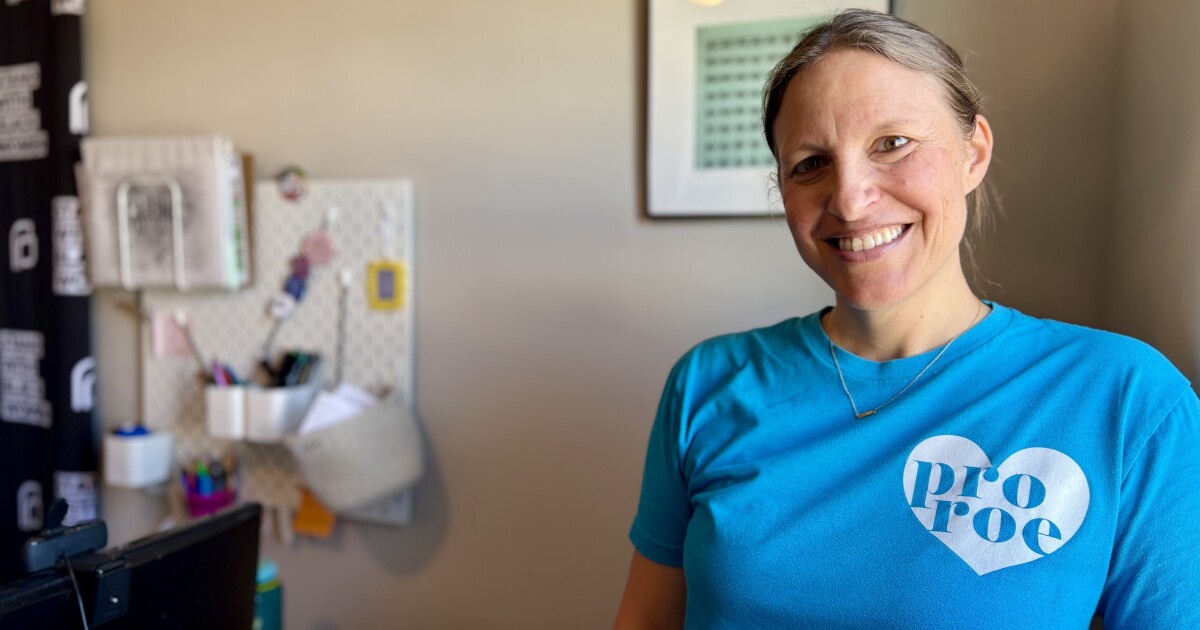
Challenges for Planned Parenthood in Michigan Amid Medicaid Funding Freeze
In Michigan, Planned Parenthood continues to operate under significant strain as the Trump administration freezes Medicaid funding for abortion providers. This decision impacts around 14,500 Medicaid beneficiaries, who now face a difficult choice of finding alternative healthcare options or absorbing the costs of essential services like cancer screenings, STI treatments, and birth control.
Jess Agius, the clinical director of telehealth at Planned Parenthood of Michigan, underscored the potential health repercussions of diminished access to essential care: “For so many people, then they’re just not going to get the care that they need.” Services such as follow-up pap smears and birth control are now less accessible to those who rely on Medicaid.
Notably, although Medicaid does not cover abortion costs in Michigan, it has historically financed various critical services at Planned Parenthood facilities. In 2024 alone, the organization provided over 27,000 STI services, 36,999 cycles of birth control, and 1,624 cancer screenings. The funding freeze stems from a decision by a U.S. appeals court that allows the Trump administration to suspend Medicaid payments to Planned Parenthood, despite a ruling from a lower court that favored ongoing financial support. The issue is currently under legal review, with a coalition of states, including Michigan, seeking to challenge the One Big Beautiful Bill Act’s provision that prohibits Medicaid payments to large nonprofit healthcare providers that perform abortions. This coalition has filed a preliminary injunction request to restore funding, highlighting potential provider shortages and negative impacts on patient care as key concerns.
The ramifications of the funding freeze are already evident in Michigan, where Agius pointed out the diminutive number of healthcare providers that accept Medicaid: “You’re taking that already small pool and limiting it even more.” For a time, Planned Parenthood covered costs for Medicaid patients who had already scheduled appointments until September 22, but new patients have been informed that their care will no longer be covered by Medicaid.
Panic and uncertainty have emerged among patients facing these new restrictions. Some individuals have expressed apprehension regarding the lack of alternative options available to them. Planned Parenthood staff are working to provide lists of other healthcare providers and affordable fee models; however, many patients may still encounter substantial out-of-pocket costs. Agius noted that a single visit could cost several hundred dollars, not accounting for labs or prescriptions.
This situation follows the closure of four Planned Parenthood clinics in Michigan, including the sole clinic in the Upper Peninsula that provided in-person abortion services, due to financial constraints. Despite these difficulties, Agius affirmed that Planned Parenthood of Michigan remains dedicated to offering legal abortion services. “We just need help getting patients to be able to get the [other] services, now that their Medicaid isn’t going to work anymore for them at Planned Parenthood,” she explained.
In contrast to Michigan’s ongoing efforts, Planned Parenthood in Wisconsin has opted to suspend abortion services in response to similar funding challenges. For further details on Wisconsin's decision, visit the full report here.