

New Proposal Emerges for Fair Colorado River Water Sharing Amidst Crisis

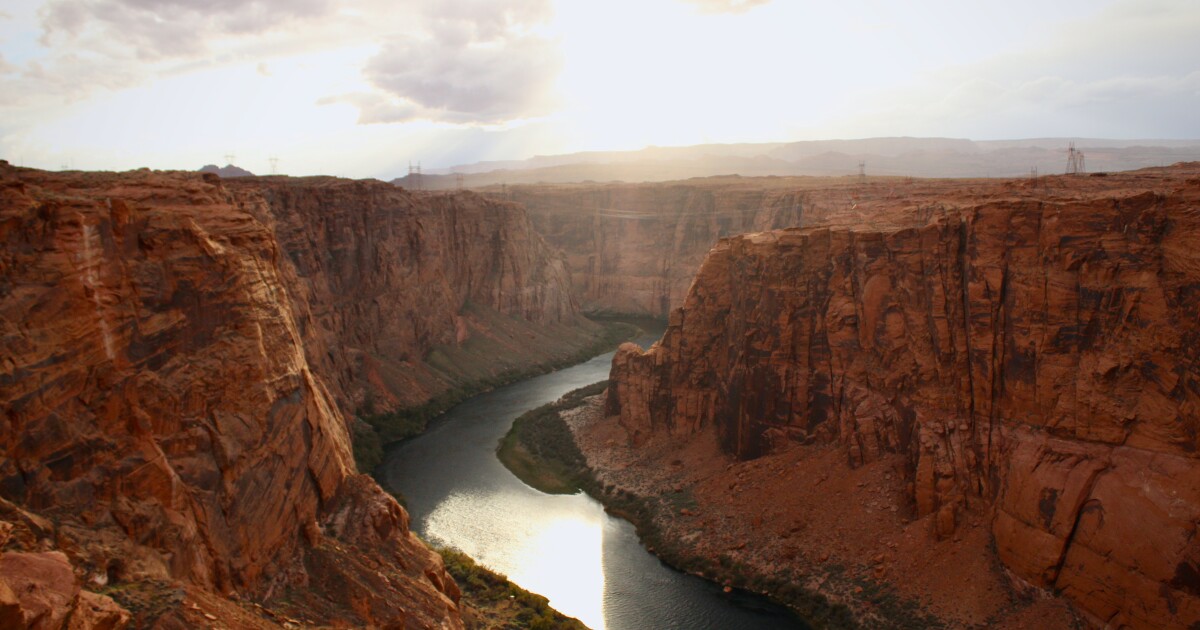
Negotiations surrounding the distribution of water from the Colorado River, essential for the sustenance of 40 million people across several states, are entering a new phase with the introduction of a promising proposal. This move comes after over a year of stagnation in talks, driven by the need to adapt to the challenges posed by climate change on this crucial resource.
Background on Colorado River Water Allocation
The Colorado River has been a key water source for numerous communities in the U.S. and Mexico, yet changing climate conditions have resulted in significantly diminished water availability. State leaders have struggled to reconcile modern realities with a century-old legal framework for water distribution, resulting in prolonged stalemate.
New Proposal Offers Hope
The latest proposal aims to redefine how water is shared, emphasizing real-time conditions rather than historical allocations. John Fleck, a researcher specializing in water policy at the University of New Mexico, highlighted the positive shift, stating, “We finally have an approach that at least allows a glimmer of hope that the laying down of arms is possible.” This new approach seeks to address urgent realities by considering a three-year rolling average of the river's natural flow, which reflects water levels without human influence.
Key Focus Areas of the Negotiations
Central to these discussions is the volume of water that states in the Upper Basin—namely Colorado, Utah, Wyoming, and New Mexico—will need to release from Lake Powell to meet the demands of states in the Lower Basin, which include California, Arizona, and Nevada. The proposed method emphasizes cooperation over legal disputes, with Fleck remarking, “This new approach gets beyond the obsessively arcane discussions about various interpretations of laws written 100 years ago.”
State Officials' Reactions
On December 5, 2024, Arizona's water leader Tom Buschatzke presented the proposal at a meeting of the Arizona Reconsultation Committee. He conveyed optimism about avoiding litigation, noting, “I was very pessimistic that we were on a path towards litigation. I’m more optimistic now that we can avoid that path if we can make this work.”
The plan is under review by the Bureau of Reclamation, which will conduct modeling to ascertain the specifics of water flow between the two Basins. With a deadline for existing water-sharing agreements set for 2026, advocates recognize the urgency in finalizing any new strategies.
Concerns and Considerations
Becky Mitchell, Colorado’s chief water negotiator, expressed cautious approval, asserting, “The natural flow approach is one way to achieve this, if it is done right.” However, she emphasized the necessity for a unified agreement, given the historical discrepancies in interpreting the 1922 Colorado River compact, which have historically sparked disputes among states.
Mitchell added, “There is no doubt that Arizona views things differently than the Upper Division States, and a successful framework will set aside our differing views and focus instead on the health and sustainability of the Colorado River System for all who depend upon it.”