

New Mexico Launches Investigation into Forced Sterilizations of Native Women
- Better American Media

- Feb 23
- 2 min read
The state of New Mexico is taking steps to address the historical injustices faced by Native American women through an investigation into the forced sterilizations that occurred without their consent. This initiative aims to uncover the impacts of these actions on the affected communities and ensure that such a painful chapter in the state’s history is not forgotten.
Recently approved by state legislators, this inquiry will analyze the history and ramifications of coerced sterilizations conducted by the Indian Health Service and other medical providers. The investigation will be overseen by the Indian Affairs Department in conjunction with the Commission on the Status of Women, with results set to be reported to the governor by the close of 2027.
State Senator Linda Lopez, one of the leading sponsors of the legislation, highlighted the necessity of this investigation, stating, “It’s important for New Mexico to understand the atrocities that took place within the borders of our state.”
Addressing Past Injustices
New Mexico’s efforts mirror national trends, as other states also grapple with their histories of non-consensual sterilizations. For instance, Vermont launched a truth and reconciliation commission in 2023 focused on similar issues, while California began compensating victims of forced sterilizations in 2024.
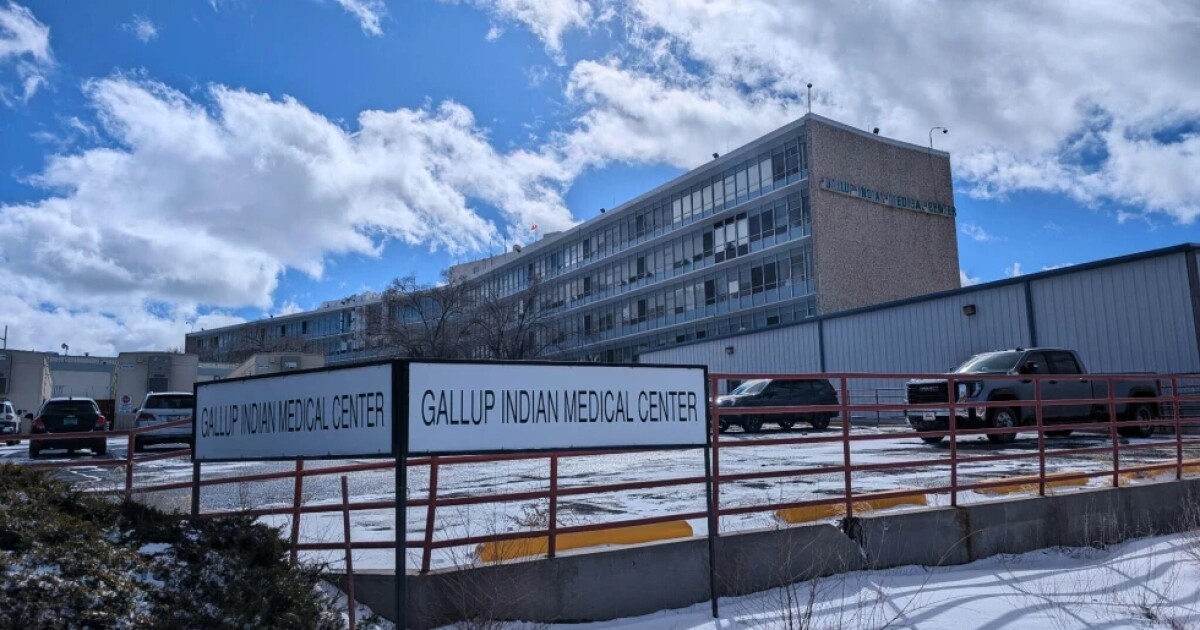
One of the poignant testimonies comes from Jean Whitehorse, a member of the Navajo Nation. In 1972, Whitehorse was admitted to an Indian Health Service facility in Gallup for a ruptured appendix and faced an overwhelming situation that led her to sign consent forms in a state of distress. Years later, she learned that a tubal ligation had been performed on her without her awareness, which significantly affected her mental health and personal life.
The Fight for Recognition
Whitehorse kept her experience private for nearly forty years before sharing her story, believing it essential for others to hear it. She expressed, “Each time I tell my story, it relieves the shame, the guilt. Now I think, why should I be ashamed? It’s the government that should be ashamed of what they did to us.” Advocates like Rachael Lorenzo, the executive director of Indigenous Women Rising, emphasized the importance of careful handling of survivor testimonies to avoid further trauma.
Dr. Donald Clark, a former Indian Health Service physician, also pointed out that historical distrust from past injustices continues to impact current healthcare decisions among Native women regarding birth control.
A Historical Pattern of Control
The forced sterilizations of Native women are often seen within a broader context of systematic policies aiming to control the reproductive rights of marginalized populations. This includes a concerning legacy that dates back to a 1927 Supreme Court ruling that facilitated sterilization of individuals deemed “unfit,” as well as the past practices of placing Indigenous children into non-Native homes.
New Mexico’s inquiry into these historical actions not only seeks to provide answers but also represents a potential movement towards accountability, as Sarah Deer, a law professor at the University of Kansas, stresses the need for cooperation from federal agencies to achieve meaningful results.